2026 Kimono & Yukata Wardrobe Guide: Essentials & Styling
The Renaissance of Japanese Garments in 2026
As we navigate the fashion landscape of 2026, the global appreciation for sustainable, slow fashion has propelled traditional Japanese garments into the spotlight. No longer confined to ceremonial occasions or historical reenactments, the kimono and yukata are being embraced by a new generation of wearers who value artisanal craftsmanship, zero-waste patterning, and deep cultural heritage. Building an authentic Japanese wardrobe today requires an understanding of both historical rules and contemporary adaptations. Whether you are a collector of vintage textiles or a newcomer looking to attend your first summer matsuri (festival), this comprehensive guide will walk you through the essential components, modern fabric innovations, and styling techniques necessary to curate a functional and beautiful Japanese garment collection in 2026.
Understanding the Core Garments: Kimono vs. Yukata
The foundation of any Japanese traditional wardrobe rests on two primary garments: the kimono and the yukata. While they share a similar T-shaped silhouette, their construction, materials, and occasions for wear are distinctly different.
The Kimono: Layers of Formality
The word "kimono" literally translates to "thing to wear." According to The Metropolitan Museum of Art, the kimono's T-shaped structure and straight-line cutting method have remained remarkably consistent for centuries, allowing the garment to be easily folded, stored, and passed down through generations. In 2026, the kimono is categorized by its formality, which is dictated by the fabric, the presence of family crests (kamon), and the dyeing technique.
- Komon (Everyday Kimono): Featuring repeating patterns across the entire garment, the komon is the most casual silk kimono, perfect for town wear, casual dining, and theater outings.
- Houmongi (Visiting Kimono): Characterized by patterns that flow seamlessly across the seams, the houmongi is semi-formal and worn for weddings, tea ceremonies, and formal parties.
- Furisode (Swinging Sleeves): Recognizable by its dramatically long sleeves, the furisode is the most formal kimono for unmarried women, typically worn at coming-of-age ceremonies and formal weddings.
The Yukata: Summer Breeze and Casual Elegance
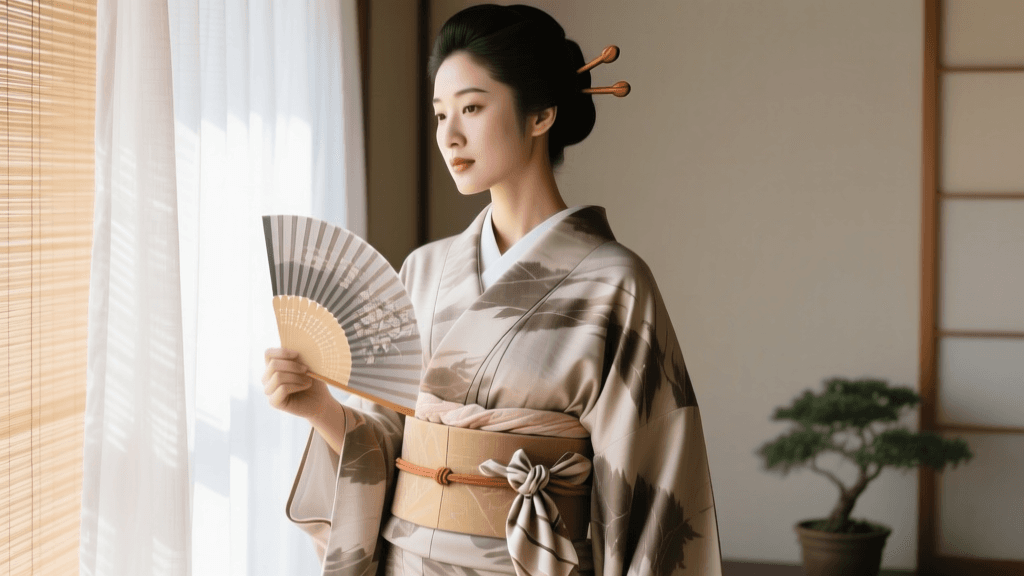
The yukata is a lightweight, unlined garment traditionally made from cotton or modern hemp-blends. Originally worn as a bathing robe by the nobility, it evolved into the standard summer festival wear for all classes. In 2026, yukata are celebrated for their breathability and ease of care. Unlike the kimono, the yukata is worn directly over basic undergarments, eliminating the need for complex layering, making it the ideal entry point for beginners building their first traditional wardrobe.
Essential Accessories: The Anatomy of the Outfit
A kimono or yukata is never worn alone; it is the culmination of several carefully selected accessories. To build a complete wardrobe, you must acquire the following components:
The Obi and Obi Accessories
The obi is the wide sash that secures the kimono. The type of obi you choose must match the formality of your garment.
- Hanhaba Obi: A half-width obi used exclusively for yukata and casual komon. It is easy to tie and highly versatile.
- Nagoya Obi: Pre-folded and stitched for convenience, this is the standard obi for everyday and semi-formal silk kimono.
- Fukuro Obi: A fully wide, heavily brocaded obi reserved for formal occasions and houmongi or furisode kimono.
- Obijime and Obiage: The obijime is a decorative braided cord tied over the center of the obi, while the obiage is a silk scarf-like cloth tucked above the obi to conceal the obi board (obita). These two items are crucial for kimono but are generally omitted when wearing a casual yukata.
Undergarments and Footwear
The silhouette of a kimono requires a cylindrical shape, which is achieved using specific undergarments. The juban (under-kimono) protects the delicate silk outer layer from sweat and body oils. A susoyoke (half-slip) and hadajuban (under-shirt) are worn beneath the juban. To secure the layers before tying the obi, several thin cotton ties called koshihimo are used, followed by a wide, stiffened sash called a datejime. Finally, the outfit is completed with tabi (split-toe socks) and zori (formal sandals) or geta (wooden clogs for yukata).
2026 Comparison Chart: Kimono vs. Yukata Wardrobe Requirements
To help you budget and plan your purchases, refer to the table below outlining the essential differences in wardrobe requirements for 2026.
| Component | Authentic Silk Kimono | Cotton/Linen Yukata |
|---|---|---|
| Base Garment | Lined or unlined silk, tsumugi, or washable synthetic blend. | Unlined cotton, hemp, or seersucker blend. |
| Undergarments | Hadajuban, susoyoke, and full-length juban required. | d>Simple camisole and shorts/slip; no juban needed. |
| Obi Type | Nagoba or Fukuro obi (requires obita board). | Hanhaba obi (no board required). |
| Footwear | White tabi socks with zori sandals. | Bare feet or colorful tabi with geta clogs. |
| Avg. Starter Cost (2026) | $250 - $600 (Vintage/Reuse market) | $60 - $150 (New or Vintage) |
2026 Fabric Trends: Sustainability and Modern Textiles
The year 2026 has seen a massive shift toward eco-conscious textiles within the traditional garment sector. While vintage silk remains highly prized, modern weavers in regions like Kyoto and Niigata are pioneering washable silk blends and high-durability hemp fabrics that mimic the drape of traditional chirimen (crepe silk). This innovation allows wearers to maintain their garments at home without relying on expensive, chemical-heavy dry cleaning services. Furthermore, the "reuse" market—Japan's term for second-hand and vintage kimono shops—has become a cornerstone of sustainable fashion. For those building a wardrobe today, sourcing from established reuse cooperatives not only preserves historical textiles but also significantly reduces the carbon footprint associated with new garment production.
Sourcing Authentic Pieces in 2026
For international buyers and locals alike, acquiring authentic pieces requires knowing where to look. In Japan, cities like Kyoto, Kanazawa, and Tokyo host massive weekend antique markets (such as the Toji Temple market) where vintage komon and yukata can be found for as little as $20. For those shopping online in 2026, specialized auction platforms and verified artisan cooperatives offer authenticated, professionally measured garments. When purchasing vintage, always request the "mitsuhaba" (the hip measurement) and the "yuki" (the sleeve span from the center back to the wrist) to ensure the T-shaped garment can be tailored to your body using traditional folding techniques.
Modern Styling: Wearing Tradition in the Contemporary World
While traditional rules (kitsuke) are strictly observed for tea ceremonies and weddings, 2026 street style embraces creative rebellion. Modern styling often involves pairing a vintage silk haori (kimono jacket) over a turtleneck and wide-leg trousers for winter wear. For yukata, contemporary wearers are increasingly substituting traditional geta with sleek, minimalist leather boots or pairing the garment with modern, structured denim obi belts. The Japan National Tourism Organization (JNTO) frequently highlights how modern Japanese youth are reimagining these garments, blending Edo-period aesthetics with Harajuku-inspired accessories, proving that traditional dress is a living, evolving art form.
Garment Care and Maintenance
Proper care is essential to ensure your garments last for decades. Silk kimono should be aired out in the shade twice a year to prevent moisture buildup and mold, a practice known as "mushiboshi." Never hang a silk kimono on a standard western hanger, as the weight will distort the delicate shoulder seams; instead, fold it along its designated creases and store it flat in a breathable cotton wrapper called a "tatou." Yukata, being cotton or hemp, are much more forgiving and can generally be hand-washed in cold water with a neutral pH detergent, then stretched and pinned to a drying board to maintain their crisp, geometric lines.
Conclusion
Building a kimono and yukata wardrobe in 2026 is a rewarding journey into one of the world's most sophisticated sartorial traditions. By understanding the distinction between garments, investing in the correct foundational accessories, and embracing both sustainable vintage markets and modern textile innovations, you can cultivate a collection that is both culturally respectful and uniquely your own. Whether you are tying your first hanhaba obi for a summer festival or draping a vintage silk haori over your winter coat, the garments of Japan offer a timeless elegance that transcends passing trends.