Hanfu Travel Wardrobe 2026: Packing Essentials & Destination Style
The Renaissance of Hanfu Travel in 2026
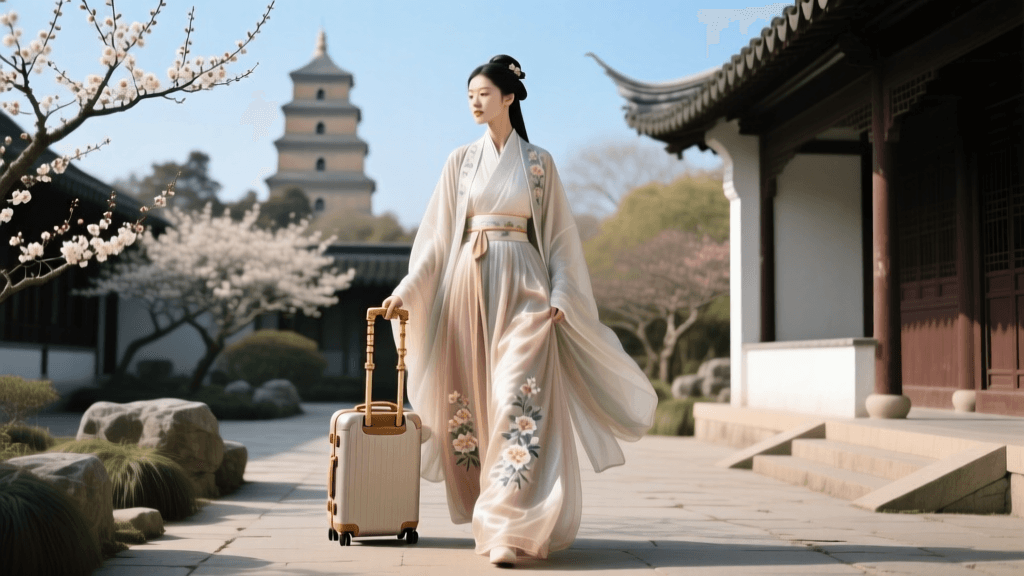
In 2026, the global Hanfu movement has evolved far beyond niche historical reenactment, cementing itself as a sophisticated pillar of cultural tourism and everyday high fashion. From the bustling streets of Xi'an to the historic arrondissements of Paris, travelers are increasingly curating destination-specific traditional Chinese wardrobes. However, traveling with centuries-old garment silhouettes presents unique logistical challenges. The voluminous sleeves, intricate pleats, and delicate textiles of traditional Hanfu require a strategic approach to packing, fabric selection, and styling.
According to UNESCO World Heritage Sustainable Tourism guidelines, engaging with local and traditional dress fosters a deeper, more respectful connection to cultural heritage sites. Whether you are planning a photography expedition to Luoyang or attending a cross-cultural fashion symposium in Milan, mastering the art of the Hanfu travel wardrobe is essential for the modern cultural explorer.
Building Your Core Hanfu Travel Wardrobe
A successful travel wardrobe relies on versatility, layering, and climate adaptability. In 2026, the most popular travel-friendly Hanfu styles prioritize ease of movement and modular styling.
The Versatile Mamianqun (Horse-Face Skirt)
The Mamianqun remains the undisputed queen of the Hanfu travel wardrobe. Characterized by its flat front and back panels with intricately knife-pleated sides, this Ming dynasty staple is remarkably adaptable. For travel, opt for a mid-calf length Mamianqun, which prevents the hem from dragging on cobblestone streets or damp temple grounds. In 2026, designers have introduced 'commuter Mamianqun' featuring hidden side pockets and reinforced waistbands that double as corset-style supports for long days of sightseeing.
Song Dynasty Everyday Elegance
For warmer climates or highly active itineraries, the Song dynasty silhouette is unparalleled. The pairing of a lightweight Beizi (a long, open-front jacket) with a Baidiequn (a finely pleated skirt) or Songku (wide-leg trousers) offers maximum breathability. The slender profile of the Song jacket layers beautifully under modern trench coats or tailored blazers, making it a favorite for travelers who wish to blend traditional elements with contemporary outerwear during transit.
Fabric Selection: Beating the Wrinkle Factor
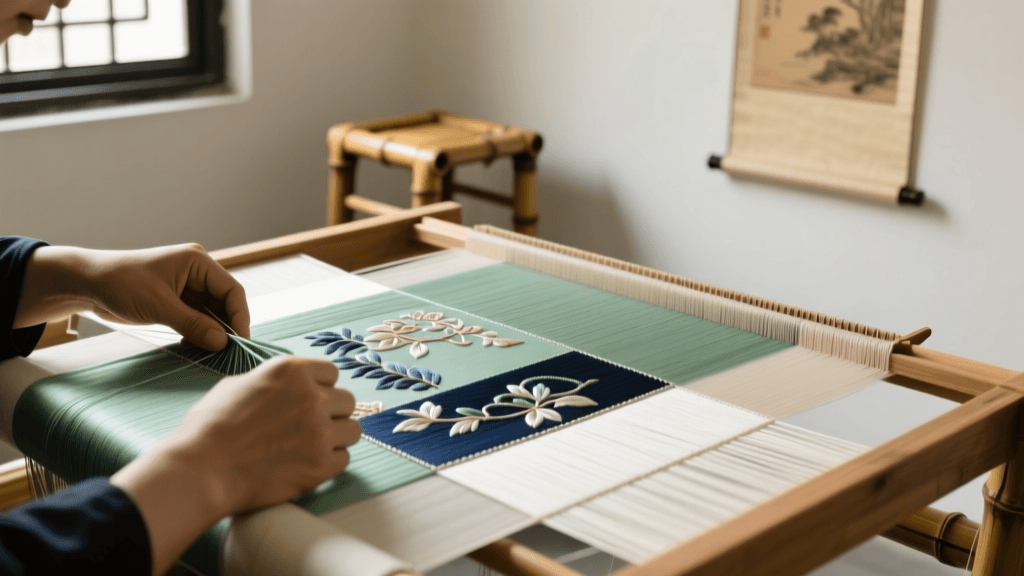
The biggest enemy of the traveling Hanfu enthusiast is the suitcase wrinkle. While traditionalists may insist on pure mulberry silk, the realities of hotel living and transit demand a more pragmatic approach. Thanks to 2026 textile innovations, we now have access to smart-fabric blends that honor the drape and sheen of historical textiles while offering modern resilience.
| Fabric Type | Wrinkle Resistance | Weight & Drape | 2026 Avg. Price (USD) | Best Travel Scenario |
|---|---|---|---|---|
| Mulberry Silk (19mm+) | Low (Requires Steaming) | Lightweight, Fluid | $180 - $350 | Luxury resorts, evening galas |
| Tencel-Silk Blend | High (Bounce-back) | Medium, Excellent Drape | $90 - $160 | Humid climates, day trips |
| Polyester Jacquard | Maximum (Zero Ironing) | Heavy, Structured | $45 - $85 | Budget travel, winter layering |
| Ramie-Linen Weave | Medium (Natural Creases) | Breathable, Crisp | $70 - $130 | Summer, tropical destinations |
As noted by UNESCO's Intangible Cultural Heritage list regarding Chinese sericulture, traditional silk craftsmanship is a treasured art form. However, for a multi-city tour, reserving pure silk for evening events and utilizing Tencel-silk blends for daytime exploration will save you hours of garment care.
The 2026 Hanfu Packing Strategy
Packing a Mamianqun requires precision to preserve the structural integrity of the knife pleats. Tossing it into a standard packing cube will result in crushed pleats and ruined silhouettes. Follow this specialized packing protocol:
- Step 1: Pleat Alignment. Lay the skirt flat on a clean surface. Carefully align every single knife pleat along the side panels, ensuring the folded edges match perfectly.
- Step 2: The Origami Fold. Fold the flat front and back panels inward over the pleated sides. Do not roll the skirt; instead, fold it in thirds horizontally, placing acid-free tissue paper between the folds to prevent hard creases.
- Step 3: Rigid Garment Folders. Utilize the latest 2026-model silk-lined rigid garment folders. These hard-shell envelopes prevent the suitcase's compression straps from crushing the pleats.
- Step 4: Upper Garment Rolling. For Song Beizi and Ming jackets, use the 'bundle wrapping' technique around a soft core (like a clean cotton t-shirt) to minimize stress on the embroidered collars and cuffs.
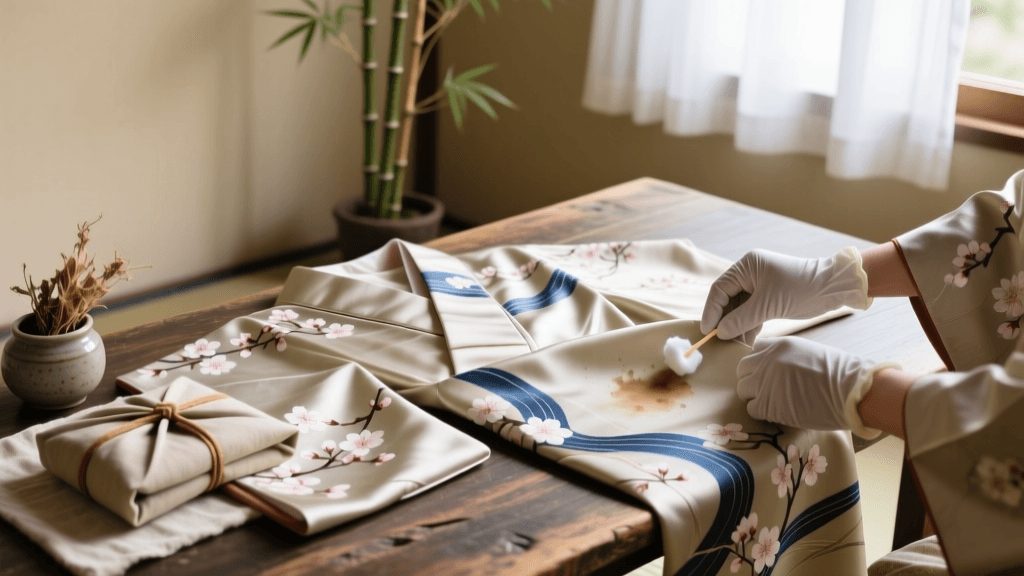
Pro Tip: Always pack a dual-voltage, USB-C rechargeable capsule steamer. The 2026 travel steamer models weigh less than 400 grams and heat up in 15 seconds, making it effortless to refresh silk collars and smooth out minor transit wrinkles right before a photoshoot.
Destination Styling: Where to Wear Your Hanfu
The beauty of the modern Hanfu movement lies in its cross-cultural adaptability. According to historical textile analyses provided by The Metropolitan Museum of Art's Heilbrunn Timeline of Art History, Chinese textiles have influenced global fashion for centuries. Today, you can confidently wear Hanfu across diverse global destinations by adapting your styling to the local environment.
Xi'an & Luoyang: Historical Immersion
In China's ancient capitals, full historical immersion is the norm. Opt for opulent Tang dynasty Qixiong Ruqun (chest-high skirts) or heavily embroidered Ming dynasty Aoqun. The Datang Everbright City in Xi'an is illuminated spectacularly at night; choose garments with metallic gold or silver thread woven into the jacquard to catch the lantern light. Pair with elaborate floral hairpins and a traditional forehead adornment (Huadian).
Kyoto & Nara: Cross-Cultural Elegance
When visiting Japan's historic temple districts, a more subdued, elegant approach is respectful and visually harmonious. The Song dynasty aesthetic, with its minimalist lines and muted, nature-inspired color palettes (such as celadon, bamboo green, and lotus pink), perfectly complements the wooden architecture and Zen gardens of Kyoto. Pair a simple Song jacket with a solid-color pleated skirt and a minimalist jade pendant.
Paris & Milan: High-Fashion Fusion
European fashion capitals embrace bold, avant-garde styling. In 2026, the 'Hanfu-Core' street style trend involves mixing traditional skirts with modern staples. Pair a dark, woven Mamianqun with a fitted black turtleneck, a tailored leather blazer, and Chelsea boots. This fusion respects the traditional garment while grounding it in contemporary urban chic, making it perfect for museum-hopping in the Louvre or attending a gallery opening in Milan.
Essential Accessories and Footwear
No Hanfu outfit is complete without its accompanying accessories, but traveling with them requires navigating modern security and comfort needs.
- Hairpins (Zanzi): Traditional metal hairpins can trigger alarms or be confiscated at airport security if deemed too sharp. In 2026, travelers favor high-grade acetate, carved sandalwood, or 3D-printed resin hairpins that mimic the look of jade and gold but are entirely TSA-compliant.
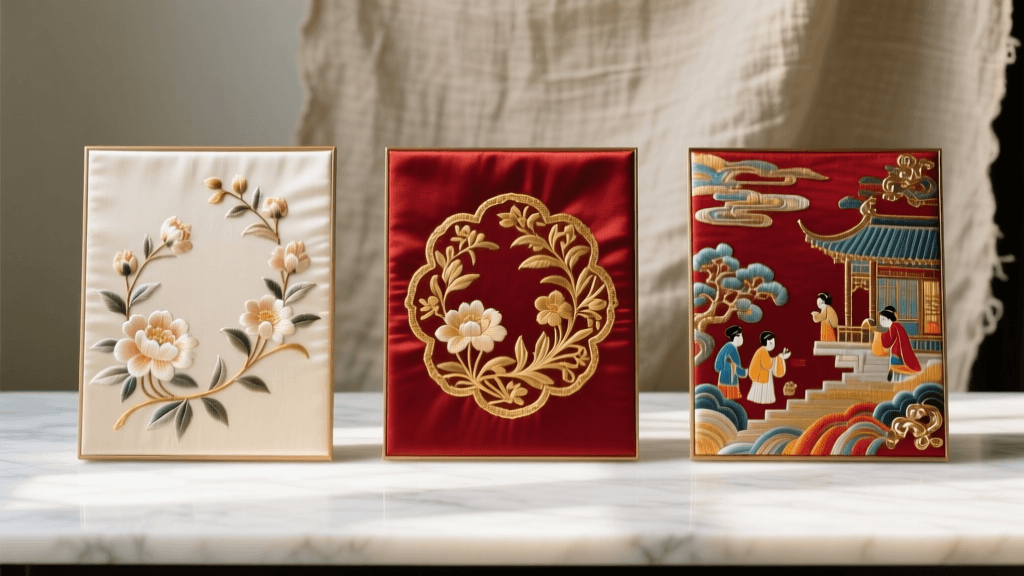
- Cloud Shoulders (Yunjian): These intricate, cape-like accessories are delicate. Pack them flat inside a rigid cardboard document mailer to prevent the beads and embroidery threads from snagging or crushing.
- Footwear: Traditional embroidered cloth shoes lack the arch support needed for 20,000-step sightseeing days. The solution is purchasing modern orthotic insoles and sizing up your embroidered shoes by half a size, or opting for the newly popular 'hidden-wedge' Hanfu shoes that provide a traditional exterior with a modern, supportive interior.
Conclusion
Curating a Hanfu travel wardrobe in 2026 is a rewarding exercise in cultural appreciation and logistical mastery. By selecting wrinkle-resistant Tencel-silk blends, mastering the art of the origami pleat fold, and thoughtfully adapting your silhouette to your destination, you can carry the elegance of Chinese antiquity anywhere in the world. Whether you are walking the ancient city walls of Xi'an or sipping espresso in a Parisian cafe, your Hanfu wardrobe will ensure you travel not just with clothes, but with centuries of living history.