Kimono Guide for Family Ceremonies 2026: Birth to Memorials
The Enduring Role of Kimono in Japanese Family Milestones
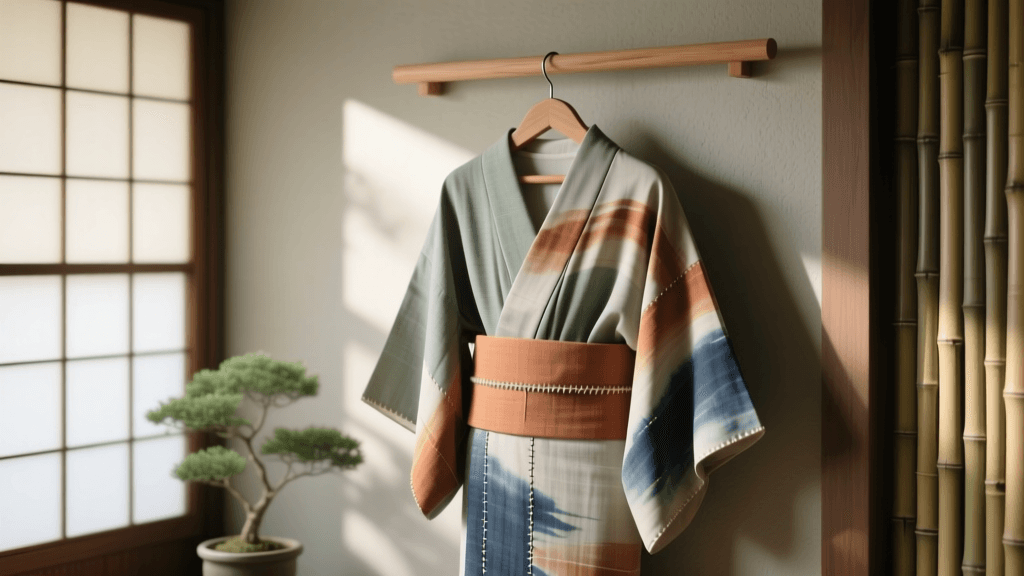
Japanese family life is deeply intertwined with the changing seasons and the passage of time, marked by profound milestones that bridge generations. At the heart of these transitions is the kimono, a garment that serves as a wearable archive of cultural heritage, familial duty, and spiritual reverence. As we navigate 2026, the intersection of heritage and modern convenience has transformed how families approach ceremonial dressing. While the foundational rules of kitsuke (kimono dressing) remain steadfast, innovations in sustainable textiles, climate-adaptive undergarments, and AI-assisted rental fittings have modernized the experience.
Whether welcoming a newborn to the Shinto pantheon, celebrating the threshold of adulthood, or honoring the spirits of ancestors, selecting the appropriate silk, crests (mon), and motifs is a matter of deep cultural respect. According to the Victoria and Albert Museum's comprehensive guide to Kimono history and structure, the garment's T-shaped silhouette acts as a canvas for social signaling, where every fold, color, and crest communicates the wearer's relationship to the ceremony at hand. This guide details the precise sartorial requirements for Japan's three most pivotal family ceremonies: birth, coming-of-age, and memorials.
Omiyamairi: Welcoming the Newborn (Birth)
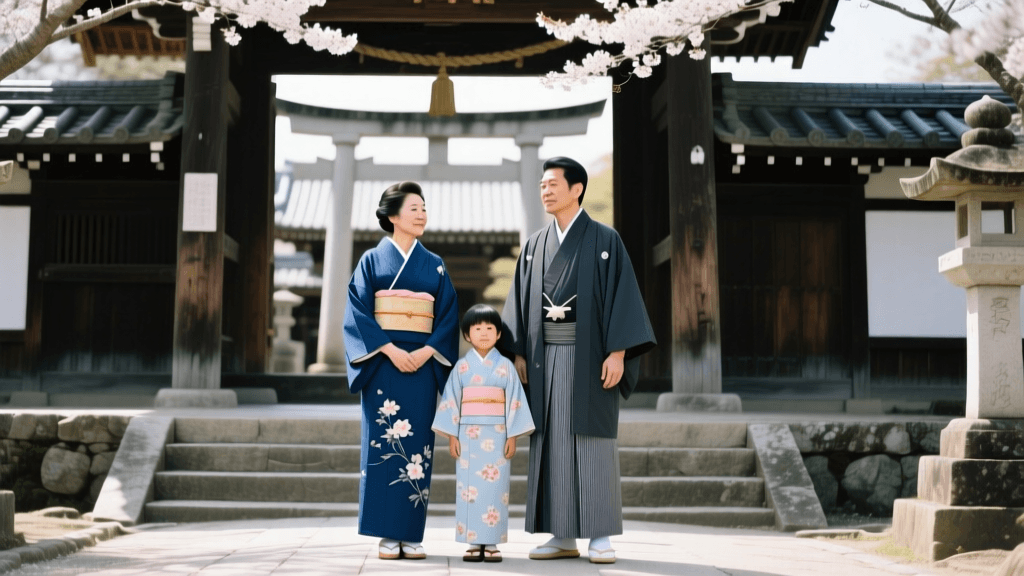
Omiyamairi (also known as Miyamairi) is the first major milestone in a Japanese child's life. Traditionally occurring around the 30th day after birth, the family visits a local Shinto shrine to express gratitude for the safe delivery and to pray for the infant's health and protection under the ujigami (tutelary deity). In 2026, while some families opt for private shrine visits to accommodate modern work schedules, the ceremonial attire remains a vibrant display of hope and lineage.
The Baby's Iwaigi and Ubugi
The infant is the focal point of the shrine visit and is dressed in a specific layered ensemble. The base layer is the ubugi, a pure white silk habutae undergarment symbolizing purity and new beginnings. Over this, the baby is wrapped in the iwaigi (celebration kimono). For boys, the iwaigi often features a black or navy base with auspicious motifs like hawks, helmets (kabuto), or pine trees, symbolizing strength and longevity. For girls, vibrant colors like crimson or peach are favored, adorned with cranes (tsuru), cherry blossoms, or hand drums. A distinctive feature of the iwaigi is the noshi—a stylized abalone motif attached to the fabric, representing longevity and good fortune.
Attire for Parents and Grandparents
The adults accompanying the child must dress in a manner that respects the shrine and the formality of the event. The paternal grandmother traditionally holds the baby and wears a highly formal kimono. A kurotomesode (black kimono with five family crests and a hem pattern) is the most formal option, though a homongi (visiting kimono with continuous patterns across the seams) or a refined tsukesage is widely accepted and often preferred in 2026 for its slightly softer aesthetic. The mother, recovering from childbirth, often opts for a comfortable yet formal iromuji (solid-colored kimono with one crest) or a modest Western dress suit, though many are increasingly utilizing 2026's lightweight, breathable silk blends for summer Omiyamairi to ensure comfort while nursing or holding the infant.
Seijin no Hi: The Coming-of-Age Ceremony
Held annually on the second Monday of January, Seijin no Hi celebrates young adults reaching the age of majority. Although Japan legally lowered the age of adulthood to 18 in 2022, municipal ceremonies and family celebrations in 2026 remain overwhelmingly focused on 20-year-olds. This is largely due to the alignment with university entrance exams and the traditional age of drinking and smoking. The Japan Times archives on Coming-of-Age Day traditions and modern shifts note that the visual spectacle of young adults in winter kimono remains one of the most photographed cultural events in the country.
Furisode for Women
The undisputed garment for unmarried young women is the furisode, characterized by its long, swinging sleeves that can measure up to 114 centimeters in length. The furisode is the highest rank of formal wear for unmarried women. In 2026, digital dyeing technologies have allowed for hyper-personalized yuzen patterns, enabling young women to incorporate subtle modern motifs alongside classical flora. The ensemble requires a highly decorative fukuro obi tied in an elaborate musubi (knot) at the back, often resembling a blooming flower or a butterfly. Because a full furisode ensemble can cost upwards of ¥500,000 to purchase, the 2026 rental market dominates, with AI-driven virtual fitting rooms allowing clients to preview drape and color coordination months in advance.
Hakama and Haori for Men
While many young men now wear Western business suits to Seijin no Hi, there has been a notable resurgence in traditional menswear. The formal choice is a subdued silk kimono (often in charcoal, navy, or slate grey) paired with a hakama (pleated trousers) featuring the five family crests. Over this, a haori (half-coat) is worn, secured by a braided haori himo cord. White tabi socks and woven zori sandals complete the look, projecting an image of scholarly dignity and respect for ancestry.
Shiki and Ososhiki: Honoring the Departed (Memorials)
Mourning and memorial services require the utmost adherence to sartorial etiquette, prioritizing solemnity, humility, and respect for the deceased and the grieving family. The rules governing mourning attire (moso) are strict, with variations based on the mourner's relationship to the departed and the timeline of the memorial.
Mofuku: The First Mourning
For the funeral (ososhiki) and the immediate mourning period, immediate family members wear mofuku. This is a completely unadorned, solid black silk kimono bearing five family crests (itsutsumon). The obi is also solid black with a matte finish, and the obiage and obijime accessories are strictly black. Footwear consists of matte black zori with black straps. The fabric is traditionally a high-quality, matte black silk crepe (chirimen) that absorbs light, reflecting the somber nature of the occasion. As detailed in the Metropolitan Museum of Art's Heilbrunn Timeline on Japanese Textiles, the absence of pattern and the use of deep black dye signify the ultimate stripping away of worldly vanity in the face of mortality.
Iromofuku for Subsequent Memorials
For the 49-day memorial (shijukunichi), the first anniversary (isshuki), or for attendees who are not immediate family, iromofuku (color mourning) is appropriate. These kimonos feature subdued, muted colors such as deep navy, charcoal grey, or dark plum. They may bear one, three, or five crests depending on formality. The obi can feature subtle, non-flashy patterns in silver or dark tones, but bright colors, gold thread, and glossy finishes are strictly prohibited. In 2026, many families are investing in high-quality iromofuku as a versatile garment that can serve across multiple extended family memorials over a lifetime.
Quick Reference Guide: Ceremonial Kimono Comparison
| Ceremony | Primary Garment | Crests (Mon) | Obi Style | Footwear |
|---|---|---|---|---|
| Omiyamairi (Newborn) | Iwaigi (Baby) / Homongi (Adult) | 1 to 3 (Adults) | Fukuro (Patterned, festive) | White/Color Tabi, Zori |
| Seijin no Hi (Coming-of-Age) | Furisode (Women) / Hakama (Men) | 0 to 5 | Fukuro (Elaborate knots) | White Tabi, Zori / Setta |
| Ososhiki (Funeral) | Mofuku (Solid Black) | 5 (Immediate Family) | Matte Black (Nagoya/Fukuro) | Black Tabi, Matte Zori |
| Shiki (Anniversary Memorial) | Iromofuku (Muted Colors) | 1 to 3 | Subdued Silver/Grey | Black/Navy Tabi, Zori |
Practical Tips for 2026: Climate Control and Booking
Navigating the logistics of ceremonial kimono wearing requires foresight, especially regarding Japan's increasingly extreme seasonal temperatures. For summer Omiyamairi or late-spring memorials, heatstroke is a genuine concern. In 2026, the industry standard for staying cool beneath heavy silk layers involves advanced innerwear. Brands like Kimono Coolish offer specialized, sweat-wicking, and contact-cooling undergarments that drop the skin's surface temperature by up to 3°C. These garments feature strategic mesh paneling along the spine and underarms, allowing air to circulate through the kimono's open sleeves and hem.
Furthermore, securing a professional kitsuke (dresser) for major events requires advanced planning. For January's Seijin no Hi, top-tier dressers in metropolitan areas like Tokyo and Kyoto are often booked out by September of the preceding year. When booking, families should explicitly confirm the dresser's expertise in the specific event; tying a celebratory furisode knot requires vastly different technical skills than the subdued, respectful folding required for a mofuku. Always communicate your family crest (kamon) details to the rental salon well in advance, as applying temporary crests or sourcing a matching haori can take several weeks.
Conclusion
The kimono is far more than a beautiful textile; it is a vital participant in the emotional and spiritual life of the Japanese family. From the protective motifs wrapped around a newborn during Omiyamairi, to the vibrant sleeves of a furisode signaling a young adult's readiness to contribute to society, down to the matte black silence of mofuku, these garments map the human experience. By understanding the nuanced etiquette and embracing the practical innovations of 2026, families can honor their ancestors and celebrate their future with grace, dignity, and profound cultural continuity.