Screen To Street: Recreating Iconic C-Drama Hanfu Looks
The Cinematic Catalyst: How C-Dramas Sparked a Fashion Revolution
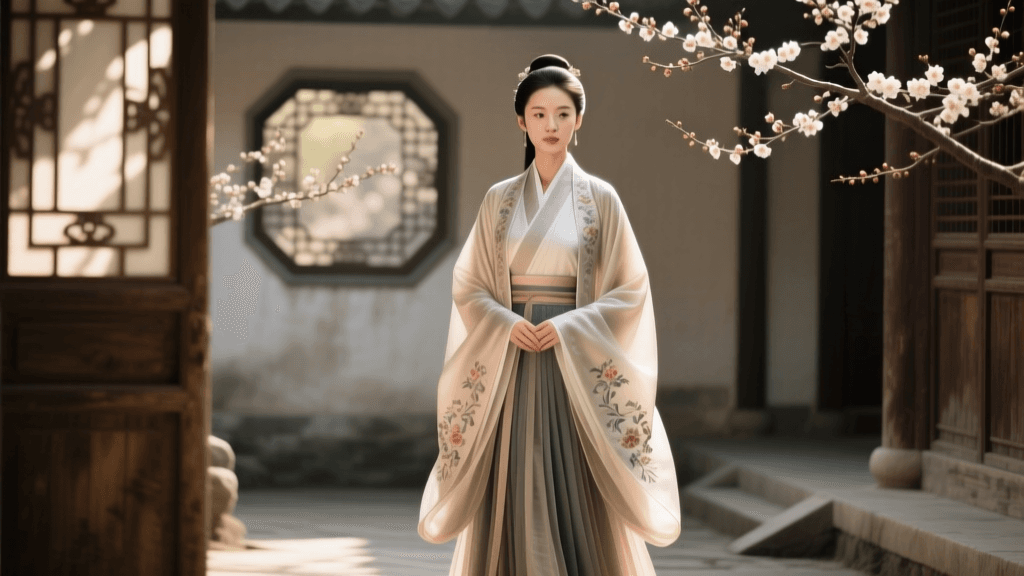
Over the past decade, the global explosion of Chinese historical dramas—ranging from sweeping xianxia (immortal hero) epics to grounded historical fiction—has done more than just entertain audiences. It has single-handedly ignited a multi-billion dollar fashion movement. According to industry analyses covered by CNN Style, the modern Hanfu revival is deeply intertwined with the visual storytelling of mega-hit C-dramas. When viewers see their favorite characters draped in flowing silk and intricate brocades, the desire to replicate those looks transitions from screen to street.
However, translating cinematic costumes into wearable, everyday traditional Chinese clothing requires a nuanced understanding of both history and modern textile manufacturing. Costume designers for television prioritize visual impact, movement for action choreography, and HD camera aesthetics, which often diverges from strict historical accuracy. As noted by the Metropolitan Museum of Art's Heilbrunn Timeline of Art History, traditional Chinese dress evolved through strict sumptuary laws and specific weaving techniques that modern productions frequently adapt for contemporary comfort. This guide will help you navigate the intersection of screen-accurate cosplay and historically grounded Hanfu, providing actionable advice on how to source, size, and style iconic C-drama looks for real life.
Screen Magic vs. Historical Reality: A Practical Comparison
Before purchasing your first set, it is crucial to understand the compromises made in television costume design. Screen-accurate garments often utilize modern synthetic fabrics to catch studio lighting, while historical garments relied on the weight and drape of natural fibers. Below is a comparison to help you decide which route to take for your wardrobe.
| Feature | Screen-Accurate (C-Drama Style) | Historically Accurate (Traditional Hanfu) |
|---|---|---|
| Fabrication | Lightweight chiffon, organza, and polyester blends designed for wind machines and stunt harnesses. | Heavy silk brocades, raw linen, and damask. Relies on the natural weight of the fabric for structure. |
| Silhouette | Cinched waists, exaggerated shoulder pads, and tailored bodices to suit modern beauty standards. | Straight, flat cutting (pingmian caizhi). The garment is shaped by wrapping and layering, not darts. |
| Color Palette | High-contrast, saturated jewel tones or stark, ethereal whites to define characters on camera. | Natural dye palettes, muted earth tones, and specific colors dictated by historical dynasty sumptuary laws. |
| Everyday Practicality | High. Often features hidden zippers, elastic waistbands, and shorter sleeve lengths for modern mobility. | Moderate. Requires proper wrapping techniques, tying, and managing long, sweeping sleeves. |
Recreating 3 Iconic C-Drama Archetypes
Whether you are attending a comic convention, participating in a Hanfu meetup, or simply integrating traditional elements into your daily wardrobe, here is how to recreate three of the most popular C-drama aesthetics.
1. The Tang Dynasty Detective (Inspired by The Longest Day in Chang'an)
This drama is lauded for its meticulous recreation of Tang Dynasty (618–907 AD) Chang'an. The male and female leads frequently wear the Yuanlingpao (round-collar robe), a staple of Tang officialdom and daily life.
- The Garments: A round-collar robe with side slits, worn over a linen inner shirt and trousers. For women, this can be styled with the collar folded open to reveal a vibrant inner layer, a popular Tang styling trick.
- Fabric & Measurements: Avoid shiny satins. Opt for 100% washed linen or cotton-linen blends in earthy tones (ochre, olive, deep navy). The robe length should hit exactly at the mid-calf to prevent tripping. Sleeve width should be around 40-50cm—wide enough to drape elegantly, but narrow enough to not knock over your coffee cup.
- Cost & Sourcing: Expect to pay $45–$85 USD on Taobao from brands like Zhongzheng Hanfu. Search terms: 'Tang style Yuanlingpao linen' (唐制圆领袍 亚麻).
- Styling Tip: Pair with a leather belt featuring a brass replica Tang buckle and black leather boots. For headwear, a soft Putou (folded cloth hat) completes the scholarly-official look.
2. The Wei-Jin Ethereal Cultivator (Inspired by The Untamed)
The Untamed (Chen Qing Ling) popularized the romanticized, free-spirited aesthetic of the Wei-Jin period (220–420 AD). This look is defined by its flowing, wind-swept layers and dramatic sleeves, perfect for xianxia fans.
- The Garments: The core is the Daxiushan (large-sleeve open-front shirt) worn over a Jiaoling Youren (cross-collar inner top) and a flowing pleated skirt or wide-leg trousers.
- Fabric & Measurements: To achieve the 'ethereal' screen look, you need fabrics that catch the breeze. Silk chiffon, Tencel, or high-grade polyester georgette are ideal. The sleeves on a screen-accurate Daxiushan can measure up to 80cm in width and extend 15cm past the fingertips. If you want an everyday version, look for 'narrow-sleeve' (窄袖) variations.
- Cost & Sourcing: $60–$120 USD for a full multi-layered set. Brands like Shisanyu often release collaborative or inspired collections that capture this exact fantasy vibe.
- Styling Tip: The hair is just as important as the clothes. Use a simple wooden or jade hair stick to create a half-up topknot, leaving the rest of the hair flowing. Avoid heavy, structured Ming-dynasty hairpieces for this specific look.
3. The Ming Dynasty Matriarch (Inspired by The Story of Minglan)
For those seeking elegance, structure, and high everyday wearability, the Ming Dynasty (1368–1644 AD) aesthetic is the undisputed queen of the modern Hanfu street-style movement. As reported by the South China Morning Post, the Ming-style horse-face skirt has become a staple even in modern corporate offices when paired with contemporary blouses.
- The Garments: The Mamianqun (horse-face skirt) paired with an Ao (a lined, long-sleeved jacket with a cross or standing collar).
- Fabric & Measurements: The Mamianqun relies on jacquard woven fabrics. Look for skirts with 4 to 6 flat panels and deep, knife-pleated sides. Actionable Sizing Advice: Measure from your natural waist to your ankle bone, then subtract 5cm. A skirt that drags on the ground will ruin the pleats and cause tripping. The Ao jacket should end just below the hips.
- Cost & Sourcing: A high-quality jacquard Mamianqun costs between $35–$70 USD, while an embroidered Ao jacket ranges from $50–$100 USD. Taobao shops like Ming Huatang are the gold standard for Ming-style accuracy and premium weaving.
- Styling Tip: This look pairs beautifully with modern accessories. A Ming-style standing collar Ao looks incredibly chic when layered under a modern winter wool coat, blending 14th-century tailoring with 21st-century outerwear.
The Buyer’s Guide: Sourcing, Sizing, and Budgeting
Acquiring authentic Hanfu requires navigating the Chinese e-commerce ecosystem. While platforms like Etsy offer curated selections, they often carry a 200% markup. To get the exact garments seen in C-dramas, you will need to use Taobao or Tmall via a shopping agent (such as Superbuy, Sugargoo, or Wegobuy).
Decoding the Sizing Matrix
Hanfu sizing does not use standard Western S/M/L metrics. Instead, it relies on height and weight recommendations, or specific garment measurements. Always check the size chart for:
- Yi Chang (衣长): Garment length. Measure from the base of your neck to where you want the hem to fall.
- Xiu Chang (袖长): Sleeve length. In traditional cutting, this is measured from the center back of the neck, across the shoulder, and down to the wrist. A standard Ming Ao sleeve length is often around 110-120cm total.
- Skirt Waist: Most Mamianqun feature adjustable side ties rather than zippers. Ensure the 'flat panel' width matches the distance between your front hip bones for a smooth, gap-free drape.
Navigating Pre-Sales (Yu Shou)
Many top-tier Hanfu brands operate on a pre-sale model, known as Yu Shou (预售). Because these garments feature complex jacquard weaving and hand-embroidery, brands take deposits to fund production runs. Expect to wait 45 to 90 days for your C-drama-inspired outfit to ship. If you need a garment for a specific convention or event, always filter your Taobao searches for 'Xian Huo' (现货), which means 'in stock'.
Final Thoughts
Chinese historical dramas have provided a breathtaking visual gateway into the world of traditional Asian garments. By understanding the difference between cinematic flair and historical construction, you can curate a wardrobe that honors the rich textile heritage of China while expressing your personal style. Whether you are donning the structured elegance of a Ming Mamianqun or the wind-swept romance of a Wei-Jin Daxiushan, the journey from screen to street is one of the most rewarding sartorial adventures available today.