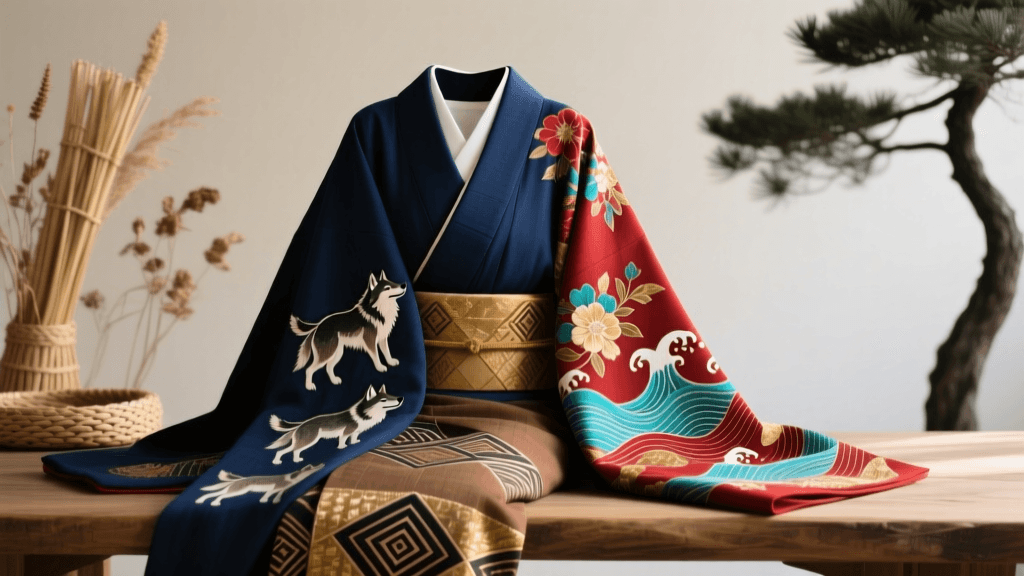
The Sustainable Kimono: A Guide to Ethical Silk and Upcycling
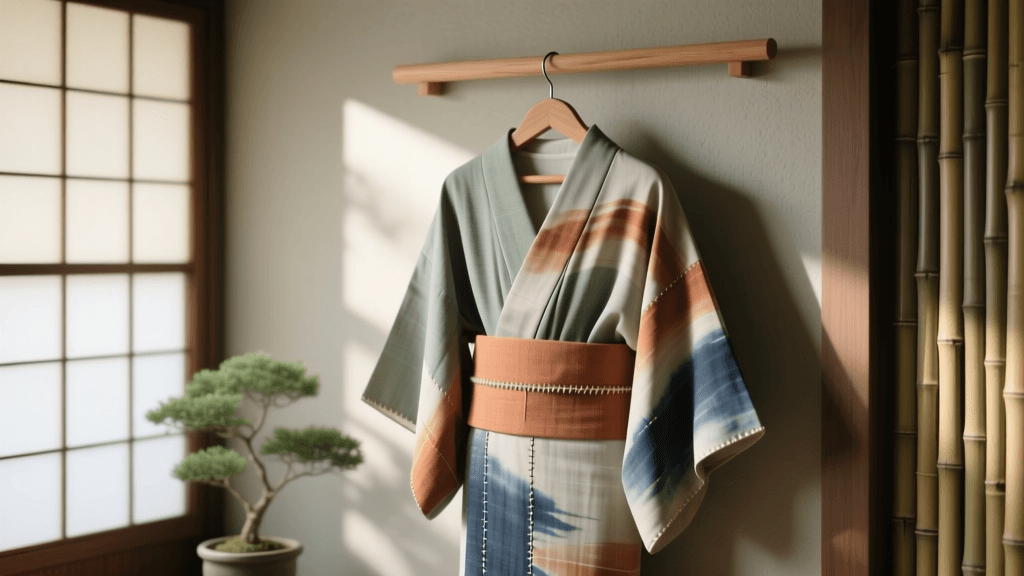
The Intersection of Heritage and Sustainability
The kimono is universally recognized as a masterpiece of Japanese textile art, embodying centuries of cultural heritage, meticulous craftsmanship, and aesthetic philosophy. However, as the global fashion industry faces a reckoning regarding its environmental impact, the traditional garment sector is also undergoing a vital transformation. Today, a new generation of artisans, designers, and consumers are redefining what it means to wear a kimono by prioritizing sustainable and ethical production methods.
Historically, the kimono was the ultimate example of circular fashion. Garments were meticulously disassembled, cleaned, dyed, and resewn across generations. Yet, the mid-20th century introduced mass production, synthetic dyes, and resource-intensive silk farming. As highlighted by the Victoria and Albert Museum's comprehensive study on the kimono's evolution, the shift from bespoke, locally sourced textiles to industrialized production altered the environmental footprint of Japanese dress. Today, the revival of ethical kimono production seeks to merge the historical reverence for nature with modern ecological awareness, offering a blueprint for sustainable luxury.
The Environmental Cost of Conventional Silk and Dyes
To understand the necessity of sustainable kimono production, one must first examine the environmental toll of conventional textile manufacturing. Traditional mulberry silk, while biodegradable, requires significant water, land, and energy to produce. The boiling of silkworm cocoons—a standard practice in conventional sericulture—raises ethical concerns regarding animal welfare. Furthermore, the vibrant colors that define modern mass-produced kimono and yukata are often achieved using synthetic azo dyes and heavy metal mordants. When improperly managed, the runoff from these dyeing processes can contaminate local waterways, disrupting aquatic ecosystems and affecting rural communities.
The energy required to weave synthetic blends, such as polyester kimono marketed to tourists or for casual summer wear, also contributes heavily to microplastic pollution. Recognizing these issues, the Japanese government and cultural preservation societies have begun advocating for greener alternatives. The Ministry of Economy, Trade and Industry (METI) actively supports traditional craft industries that adapt historical, low-impact techniques for the modern market, ensuring that heritage arts survive without compromising ecological integrity.
The Rise of Ethical Kimono Production
Ethical kimono production focuses on three main pillars: cruelty-free materials, botanical dyeing, and fair-trade artisan cooperatives. Here is how the industry is innovating:
1. Peace Silk and Organic Alternatives
Ahimsa silk, or 'peace silk,' is harvested only after the silkworm has naturally emerged from its cocoon as a moth. While the resulting silk threads are shorter and require more skill to spin, they yield a uniquely textured, deeply ethical fabric. Additionally, artisans are increasingly utilizing organic cotton, hemp (asa), and ramie, which require a fraction of the water needed for silk and mulberry cultivation.
2. Botanical Dyes (Kusaki-zome)
Master dyers are returning to kusaki-zome (plant dyeing). Awa-ai (Tokushima indigo) is fermented using natural wood ash lye, creating a living dye vat that improves with age and possesses natural antibacterial properties. Similarly, benibana (safflower) is used to extract brilliant, biodegradable reds and pinks without the use of toxic chemical fixatives.
3. Supporting Artisan Cooperatives
Ethical production also means ensuring fair wages and safe working conditions for the weavers and dyers, many of whom are aging masters in rural prefectures like Ishikawa and Kyoto. Purchasing from certified traditional craft cooperatives ensures your investment directly sustains these rural economies.
Upcycling and the 'Remake' Culture
Perhaps the most robust pillar of sustainable kimono fashion is the remake (upcycling) culture. Japan is home to millions of vintage kimono stored in tansu (wooden chests), many of which are no longer worn due to shifting lifestyle preferences. The philosophy of mottainai—a deep sense of regret concerning waste—drives the modern upcycling movement.
'Mottainai is not just about recycling; it is about recognizing the intrinsic value and spirit of the materials and the labor that created them. When we remake a kimono, we are extending its life force.' — Sustainable Fashion Advocates at Fashion Revolution Japan.
The process of toiki involves carefully unpicking the stitches of a vintage kimono. Because kimono are constructed from straight bolts of fabric (tanmono) without cutting curves, the fabric can be flattened, cleaned, and reimagined. Upcycled kimono silk is frequently transformed into modern haori jackets, two-piece sets, tote bags, and even contemporary Western-style dresses, making the textile accessible to global audiences and younger demographics.
Comparison Chart: Conventional vs. Sustainable Kimono
When shopping for a kimono, understanding the differences between conventional mass-market options and sustainably produced garments is crucial. The table below outlines the key distinctions.
| Feature | Conventional Modern Kimono | Sustainable / Ethical Kimono |
|---|---|---|
| Material | Synthetic blends (polyester), standard mulberry silk | Peace silk, organic hemp/cotton, upcycled vintage silk |
| Dyes | Synthetic azo dyes, heavy metal mordants | Botanical dyes (Awa-ai indigo, Benibana, Yamamomo) |
| Water Footprint | High (intensive silk farming & synthetic dye runoff) | Low to Moderate (rain-fed botanicals, closed-loop dye vats) |
| Production Ethics | Often mass-produced in overseas factories with opaque supply chains | Artisan-led, fair-trade cooperatives, transparent local sourcing |
| End of Life | Non-biodegradable (synthetics), contributes to microplastics | 100% biodegradable, or designed for continuous upcycling |
| Average Cost (New) | ¥15,000 - ¥50,000 | ¥80,000 - ¥300,000+ (Investment grade) |
Practical Guide: How to Build an Ethical Kimono Wardrobe
Transitioning to a sustainable kimono wardrobe requires a shift from fast-fashion consumption to mindful curation. Here is actionable advice for sourcing, measuring, and investing in ethical Japanese garments.
1. Sourcing Vintage and Remade Pieces
Buying vintage is inherently sustainable. In Tokyo, neighborhoods like Shimokitazawa and Koenji are hubs for remake boutiques where vintage silk is tailored into modern silhouettes. In Kyoto, the Nishijin district offers workshops where you can purchase upcycled obi (sashes) and have them tailored into modern accessories or jackets. Expect to pay between ¥10,000 and ¥30,000 for high-quality, professionally cleaned and remade vintage haori.
2. Understanding Your Measurements
Unlike Western clothing, kimono are measured primarily by the yuki (the length from the center back of the neck, over the shoulder, to the wrist). For a sustainable custom order or vintage fit, you must know your yuki. The standard modern female yuki is between 62cm and 68cm. The mitake (back length) should ideally reach your ankle bone. When buying upcycled garments, look for brands that offer adjustable drawstring waists or wrap-style skirts made from kimono silk, which accommodate a wider range of body types and reduce the need for bespoke alterations.
3. Verifying Authenticity and Ethics
When purchasing new, ethically made kimono, look for the Traditional Craft Product Mark (a gold and red sticker issued by METI), which guarantees the item was handcrafted using traditional, locally sourced materials. Additionally, ask retailers about their dyeing processes; genuine botanical dyers will gladly share the origins of their plant matter and the fermentation process of their vats.
Caring for Sustainable Textiles
The longevity of a sustainable kimono depends entirely on proper care. Because botanical dyes are sensitive to UV light and high pH levels, ethical garments require specialized maintenance.
- Airing Out: After wearing, hang your silk kimono in a shaded, well-ventilated area for 24 hours to allow moisture to evaporate. Never expose natural dyes to direct sunlight, as benibana (safflower) and indigo can fade or shift in tone.
- Storage: Store folded garments in a traditional tansu or an acid-free cardboard box. Wrap the silk in tatou-shi (specialty kimono wrapping paper) to allow the fibers to breathe while protecting them from dust.
- Pest Control: Avoid chemical mothballs, which can react with natural dyes and cause permanent staining. Instead, use natural kusunoki (camphor wood) blocks or dried cedar leaves, which repel insects safely and impart a subtle, traditional fragrance.
- Cleaning: Never wash botanical-dyed silk at home. Seek out a professional arai-hari service. These traditional cleaners disassemble the kimono, wash the flat fabric bolts using mild, eco-friendly agents, stretch them on bamboo frames to dry, and re-sew them, effectively making the garment brand new.
Conclusion: Wearing Your Values
Choosing a sustainable or upcycled kimono is a profound way to engage with Japanese culture. It honors the historical precedent of mottainai, supports the livelihoods of rural artisans, and rejects the environmentally destructive practices of the modern textile industry. Whether you are wrapping yourself in a vintage, indigo-dyed yukata or investing in a custom-tailored peace silk haori, you are participating in a living tradition—one that is actively evolving to protect the planet for future generations.