Master the New Chinese Style: A Practical Xin Zhongshi Wardrobe Guide
The Rise of Xin Zhongshi: Beyond the Costume
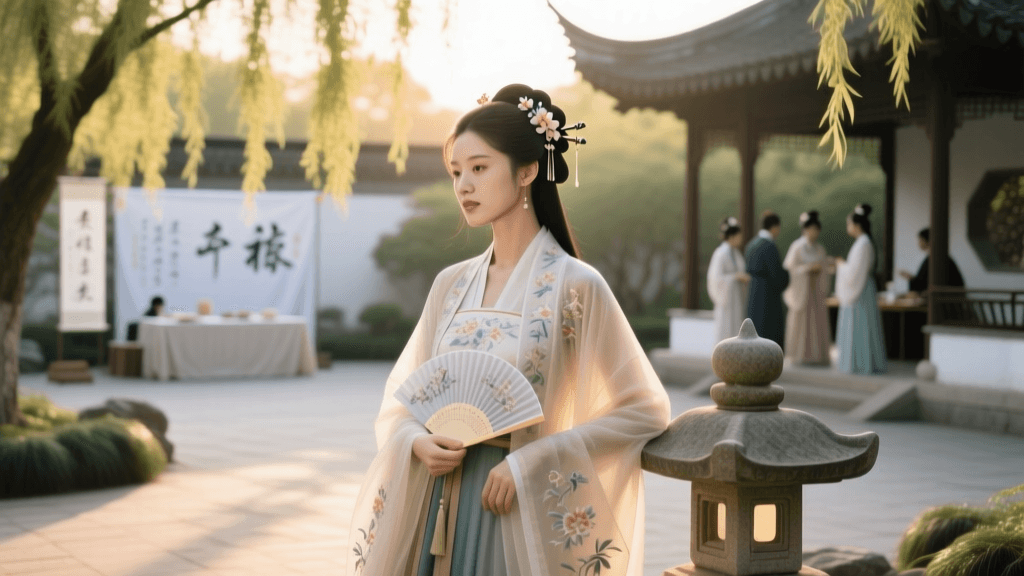
The global fashion landscape is currently witnessing a profound cultural renaissance led by the Xin Zhongshi, or 'New Chinese Style,' movement. Unlike the strict historical reenactment of the traditional Hanfu movement or the formal, occasion-specific nature of the classic Qipao, Xin Zhongshi is fundamentally about integration. It extracts the philosophical and aesthetic DNA of traditional Chinese garments—such as the structural elegance of the Ming Dynasty silhouette or the minimalist drapery of the Song Dynasty—and weaves them into contemporary, wearable streetwear and office attire.
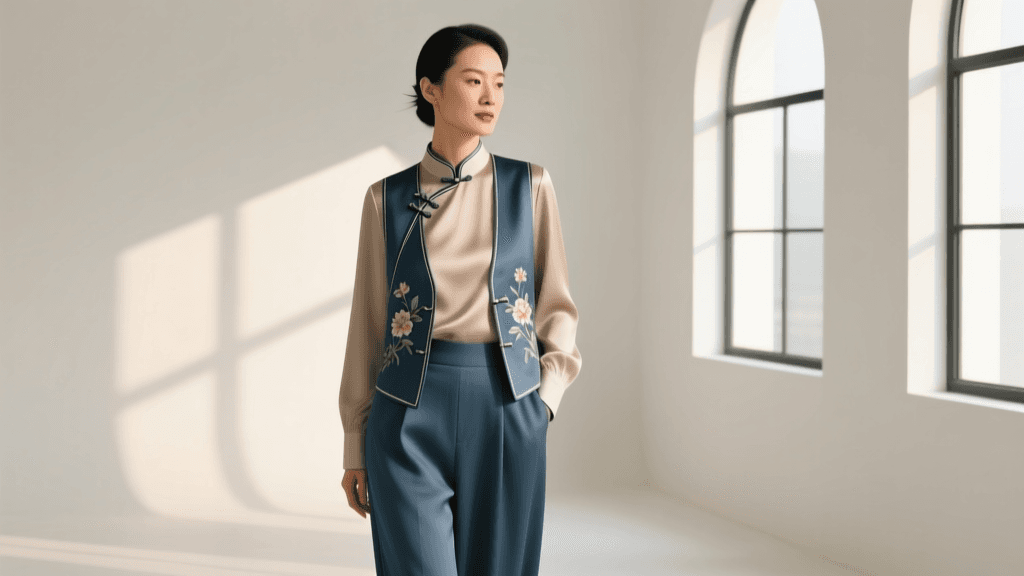
According to cultural analysts at Sixth Tone, this shift represents a desire among Gen Z and Millennial consumers to express cultural identity without sacrificing modern mobility. The result is a highly sophisticated aesthetic that pairs structured jacquard blazers with wide-leg denim, or silk-blend Mandarin collar shirts with tailored trousers. For the modern wardrobe builder, mastering this trend requires an understanding of proportion, fabric technology, and historical reference points.
Traditional vs. New Chinese Style: A Quick Comparison
To successfully style Xin Zhongshi, one must first understand how it deviates from its historical predecessors. The primary goal of the New Chinese Style is to reduce the 'costume' factor while elevating the 'couture' element.
| Garment Element | Traditional Hanfu / Qipao | New Chinese Style (Xin Zhongshi) |
|---|---|---|
| Collar Structure | High, stiff Mandarin collars (5-7cm) that restrict neck movement. | Lowered, softened stand collars (3-4cm) or open V-neck crossover (Jiaoling). |
| Fastenings | Exclusively hand-tied knots or intricate traditional Pankou (frog buttons). | Hidden magnetic snaps, minimalist metal toggles, or a single statement Pankou. |
| Silhouette | Flowing, voluminous layers (Hanfu) or form-fitting, restrictive cuts (Qipao). | Relaxed, architectural tailoring; drop-shoulder blazers and wide-leg trousers. |
| Fabrics | 100% Mulberry silk, raw hemp, or heavy brocade requiring strict dry-cleaning. | Silk-cotton blends, cupro, washable jacquard, and technical linens. |
Building Your Xin Zhongshi Capsule Wardrobe
Transitioning into this aesthetic does not require a complete wardrobe overhaul. By investing in three foundational pieces, you can seamlessly blend Eastern heritage with Western tailoring.
1. The Modern Mandarin Collar Shirt (Liling)
The cornerstone of the New Chinese Style is the updated Mandarin collar shirt. Traditional versions often feature stiff interfacing that digs into the jawline. When shopping or commissioning a bespoke piece, request a collar height of exactly 3.5 centimeters. This measurement provides the visual cue of a traditional stand collar while allowing the neck to move freely. Look for fabrics composed of a 60% cotton and 40% cupro blend. Cupro provides the subtle, pearlescent sheen associated with traditional silk but offers the breathability and machine-washability of cotton. Opt for hidden plackets (where the buttons are concealed) to maintain the clean, unbroken vertical lines prized in Song Dynasty aesthetics.
2. The Song-Inspired Wide-Leg Trouser (Songku)
Historically, Song Dynasty trousers were characterized by their generous drape and pleated waistbands. The modern interpretation translates this into high-waisted, wide-leg trousers that mimic the movement of a Mamianqun (horse-face skirt) without the tripping hazard. Seek out trousers with a 110cm to 115cm inseam that pool slightly over the shoe. The fabric should be a heavyweight linen-viscose blend (around 280 GSM) to ensure the pleats fall sharply and do not balloon in the wind. A subtle side-slit at the ankle, measuring no more than 10 centimeters, adds a dynamic flair when walking.
3. The Jacquard Weave Blazer (Zhiji)
Outerwear is where Xin Zhongshi truly shines. Designers are currently extracting motifs from Ming Dynasty empress robes—such as the 'cloud and water' patterns or subtle floral damasks—and weaving them into modern blazer silhouettes. A well-tailored Xin Zhongshi blazer should feature a drop-shoulder seam and a collarless, open-front design, secured by a single, oversized braided frog button at the sternum. The cost for a quality silk-blend jacquard blazer typically ranges from $120 to $250, representing a significant investment piece that anchors the entire wardrobe.
Practical Styling Rules for Everyday Wear
The most common mistake enthusiasts make when adopting traditional fashion is over-accessorizing, which pushes the outfit from 'high fashion' into 'theatrical costume.' To maintain a contemporary edge, adhere to the 80/20 Rule of Cultural Styling.
- The 80/20 Rule: Ensure that 80% of your outfit consists of modern, globally recognized basics (e.g., straight-leg denim, white leather sneakers, minimalist turtlenecks), while only 20% features explicit traditional Chinese elements (e.g., a jacquard vest, a Pankou-fastened cardigan).
- Footwear Pairing: Avoid traditional cloth shoes for daily wear. Instead, contrast the delicacy of silk-blend garments with chunky, architectural footwear. A pair of thick-soled leather loafers or minimalist white sneakers grounds the ethereal nature of the fabrics, creating a striking visual tension that fashion editors love.
- Hardware and Jewelry: Swap out traditional jade pendants for modern metallic interpretations. A brushed silver cuff or a geometric gold earpiece inspired by ancient hairpins provides a nod to antiquity without looking like a museum replica.
'The brilliance of Xin Zhongshi lies in its restraint. It is not about wearing history; it is about letting history inform the geometry of modern clothing.' - Fashion Critique, The Business of Fashion
Sourcing and Shopping Guide
While Western boutiques are slowly catching on, the epicenter of the Xin Zhongshi movement remains on Chinese e-commerce and social platforms. To find authentic, high-quality pieces rather than cheap costume knock-offs, you must use the correct search terminology on platforms like Taobao, AliExpress, or Xiaohongshu (Little Red Book).
Use these specific Mandarin keywords to filter your searches:
- 新中式 (Xin Zhongshi): The umbrella term for New Chinese Style.
- 改良旗袍 (Modified Qipao): For dresses and tops with relaxed fits and shorter, less restrictive collars.
- 提花外套 (Jacquard Outerwear): Essential for finding high-quality woven patterned blazers and vests.
- 宋裤 (Song Trousers): For wide-leg, pleated pants with historical drape.
- 盘扣 (Pankou): Use this if you are looking for DIY frog buttons to modify your existing Western garments.
When evaluating sellers, scrutinize the fabric composition labels. Avoid 100% polyester 'brocades' which trap heat and look overly shiny. As noted by the South China Morning Post, the premium segment of this market relies heavily on sustainable, breathable blends like Tencel-silk and bamboo-linen, which offer an authentic matte texture and superior comfort.
Garment Care for Modern Blends
Traditional silks and heavy brocades require specialized dry cleaning, but the beauty of the Xin Zhongshi movement is its adaptation to modern laundry routines. However, the structural elements of these garments still demand specific care to maintain their architectural silhouettes.
Washing: For silk-cotton blends and cupro shirts, always use a mesh laundry bag and wash on a delicate cycle with cold water (below 30°C) using a pH-neutral detergent. Never use bleach or enzymatic cleaners, as they will degrade the natural fibers and cause the jacquard weaves to pucker.
Drying and Ironing: Never tumble dry Xin Zhongshi outerwear or trousers. The heat will melt the synthetic threads often used to give structure to the frog buttons and collar interfacing. Instead, hang garments on wide, velvet-padded hangers to dry in the shade. When ironing, always use a pressing cloth and a low-heat steam setting. Press the collar and cuffs from the inside out to prevent creating a shiny glaze on the delicate jacquard surface.
Storage: Heavy jacquard blazers and modified Qipao dresses should be stored folded in acid-free tissue paper during off-seasons. Hanging heavy woven garments for months at a time can cause the warp threads to stretch, permanently distorting the shoulder seams and ruining the precise, boxy tailoring that defines the New Chinese Style silhouette.