Top Hanfu Styles for Qigong & Meditation Wellness in 2026
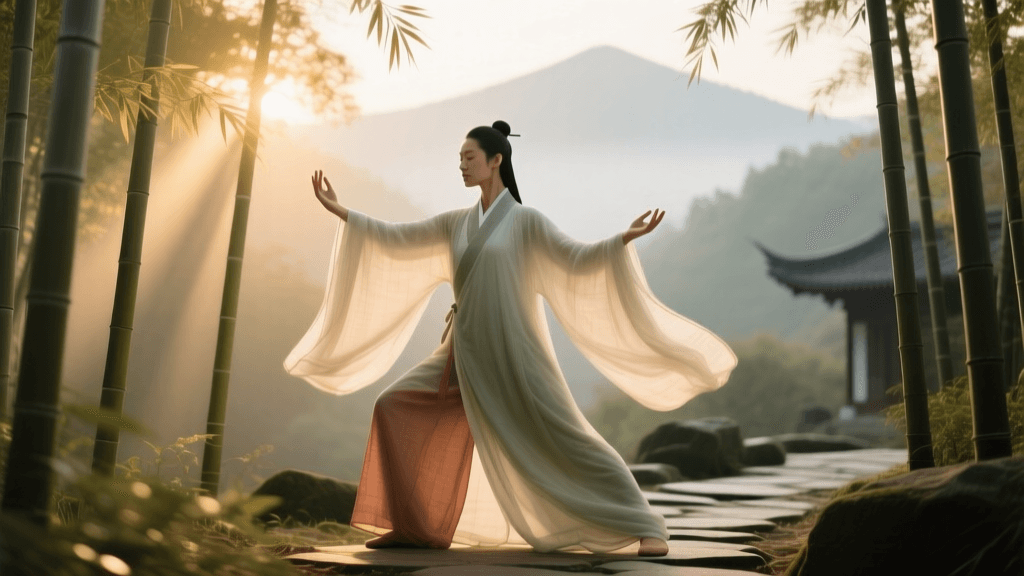
The convergence of traditional Chinese medicine (TCM) movement therapies and authentic historical dress has evolved from a niche cultural appreciation into a mainstream wellness lifestyle in 2026. As practitioners worldwide seek deeper mind-body connections, the integration of Hanfu (traditional Han Chinese clothing) into daily Qigong, Tai Chi, and meditation routines has become a defining trend in holistic health. The modern wellness enthusiast no longer views traditional garments merely as historical costumes, but as functional, energetic tools designed to facilitate the unhindered flow of Qi (vital life force).
In the 2026 global wellness landscape, the emphasis is on authenticity, sustainable heritage textiles, and the physiological benefits of unrestrictive clothing. According to the National Center for Complementary and Integrative Health, mindfulness and meditation practices significantly reduce stress and improve cardiovascular health, but the physical environment and attire play a crucial, often overlooked, role in achieving deep somatic relaxation. This comprehensive guide explores the best Hanfu silhouettes, natural fabrics, and practical styling techniques to elevate your Qigong and meditation practice this year.
The Mind-Body-Garment Connection in 2026
Traditional Chinese wellness practices are built on the premise that the body is a microcosm of the universe, governed by the continuous flow of energy through meridian lines. Restrictive modern activewear, often made from compressive synthetic blends, can inadvertently impede this flow by constricting the lymphatic system and trapping heat. Hanfu, conversely, is engineered around the principles of spatial harmony and natural drape.
Research highlighted by Harvard Health Publishing confirms that the gentle, flowing movements of Tai Chi and Qigong improve balance, flexibility, and cognitive function. When these movements are performed in wide-sleeved, cross-collared Hanfu, the practitioner experiences a heightened sense of proprioception. The weight and sway of the fabric act as a physical extension of the body's energetic boundary, providing tactile feedback that deepens the meditative state. When you perform the 'Drawing the Bow' posture in Ba Duan Jin (Eight Brocades), the cascading silk or ramie sleeve visually and physically maps the trajectory of your breath and intention.
Top Hanfu Silhouettes for Unrestricted Qi Flow
Selecting the correct historical silhouette is paramount for different types of wellness practices. The structural geometry of Hanfu dictates how the garment interacts with the body during stillness and motion.
1. The Daopao (Daoist Robe)
The Daopao is the quintessential garment for standing meditation (Zhan Zhuang) and internal alchemy practices. Characterized by its wide, flowing sleeves, side slits, and traditional Jiaoling Youren (cross-collar right over left) closure, the Daopao creates a bell-like silhouette that grounds the practitioner. The generous cut around the shoulders and chest allows for deep diaphragmatic breathing without any fabric tension. In 2026, contemporary heritage brands have refined the Daopao using lightweight, organic textiles, making it suitable for daily morning practice rather than just ceremonial use.
2. The Song Dynasty Beizi
For seated meditation and gentle, restorative Qigong, the Song Dynasty Beizi is unparalleled. This long, outer coat features straight lines, side vents that reach up to the armpit, and a front opening that is typically left unfastened or loosely tied. The Beizi's vertical lines encourage proper spinal alignment, a critical component of seated mindfulness. The side slits ensure that when you sit cross-legged or on a meditation bench, the fabric drapes elegantly over the knees without bunching or restricting blood circulation to the lower extremities.
3. The Mamianqun (Horse-Face Skirt)
While often associated with Ming Dynasty formal wear, the Mamianqun has been adapted by 2026 wellness communities for lower-body focused Tai Chi and dynamic Qigong forms like Wu Qin Xi (Five Animal Frolics). The structured, pleated panels of the skirt provide a weighted, grounding sensation during deep stances (like the Horse Stance), while the flat front and back panels allow for unrestricted forward and lateral leg movements.
Fabric Selection: Natural Fibers for Breathability and Grounding
The material of your Hanfu is just as important as the cut. Synthetic fabrics like polyester generate static electricity, which traditional TCM practitioners believe disrupts the body's bio-electric field. In 2026, the market for sustainably sourced, heritage-woven natural fibers is at an all-time high. Below is a comparison of the best fabrics for wellness practices.
| Fabric Type | Breathability | Traditional Qi Property | Best Practice Application | 2026 Avg. Garment Cost |
|---|---|---|---|---|
| Organic Ramie | Exceptional | Cooling, disperses stagnant heat | Summer Ba Duan Jin, Active Qigong | $90 - $160 |
| Peace Silk (Ahimsa) | High | Harmonizing, conducts energy smoothly | Seated Meditation, Yin Yoga | $180 - $320 |
| Raw Hemp Blend | Moderate | Grounding, connects to earth energy | Zhan Zhuang (Standing Post) | $110 - $190 |
| Organic Cotton (Unbleached) | High | Neutral, comforting, soft | Restorative Evening Meditation | $60 - $120 |
'The garment is not merely a covering, but an extension of the body's energetic boundary. When the natural fiber breathes, the meridians open; when the sleeve moves, the Qi follows.' — Master Li, 2026 International Qigong & Somatics Symposium.
Practical Guide: Dressing for Your Daily Practice
Integrating Hanfu into your daily wellness routine requires an understanding of layering, climate adaptation, and historical styling techniques that prioritize function alongside aesthetics.
Layering for Thermal Regulation
Qigong practice generates internal heat, but meditation requires stillness, which can lead to a drop in body temperature. The traditional Hanfu layering system is perfectly suited for this. Begin with a lightweight, unbleached cotton Zhongyi (inner garment) to wick moisture away from the skin. Over this, layer your primary practice robe (such as the Daopao or Beizi). If practicing outdoors in the early morning or late evening, drape a Pifeng (cloak) over the shoulders. The Pifeng can be easily slipped off as your internal Yang energy rises during the practice, allowing for seamless thermal regulation without breaking your meditative focus.
Footwear and Grounding
The connection between the Yongquan (Kidney 1) acupressure point on the sole of the foot and the earth is vital in standing Qigong. While barefoot practice is common indoors, outdoor practitioners in 2026 are increasingly turning to traditional Buxie (cloth shoes) with thousand-layer cotton soles. These shoes provide a thin, flexible barrier that protects the foot from uneven terrain while maintaining a direct, conductive link to the ground, unlike thick rubber-soled modern athletic shoes which act as insulators.
Sourcing and Caring for Wellness Hanfu
When sourcing garments, look for artisans who utilize traditional natural dyeing methods, such as indigo, tea, and pomegranate rind. The historical context of these garments, as documented by the Victoria and Albert Museum, reveals that natural dyes were historically believed to possess their own medicinal and energetic properties, imparting a subtle aromatherapeutic benefit to the wearer. To maintain the integrity of these natural fibers and dyes, always hand-wash your practice Hanfu in cold water with a pH-neutral, plant-based detergent, and air-dry them in the shade to prevent UV degradation of the natural pigments.
Conclusion
As we navigate the wellness trends of 2026, the integration of Hanfu into Qigong and meditation represents a profound return to holistic living. By choosing the right silhouette, prioritizing natural, breathable fibers, and respecting the traditional mechanics of the garment, practitioners can unlock a deeper, more resonant mind-body experience. The flowing sleeves of a Daopao or the grounding drape of a Beizi are not just echoes of the past; they are functional, living tools that continue to nurture human well-being in the modern era.