Shichi-Go-San Guide: Childrens Kimono and Etiquette
Understanding Shichi-Go-San: A Celebration of Childhood
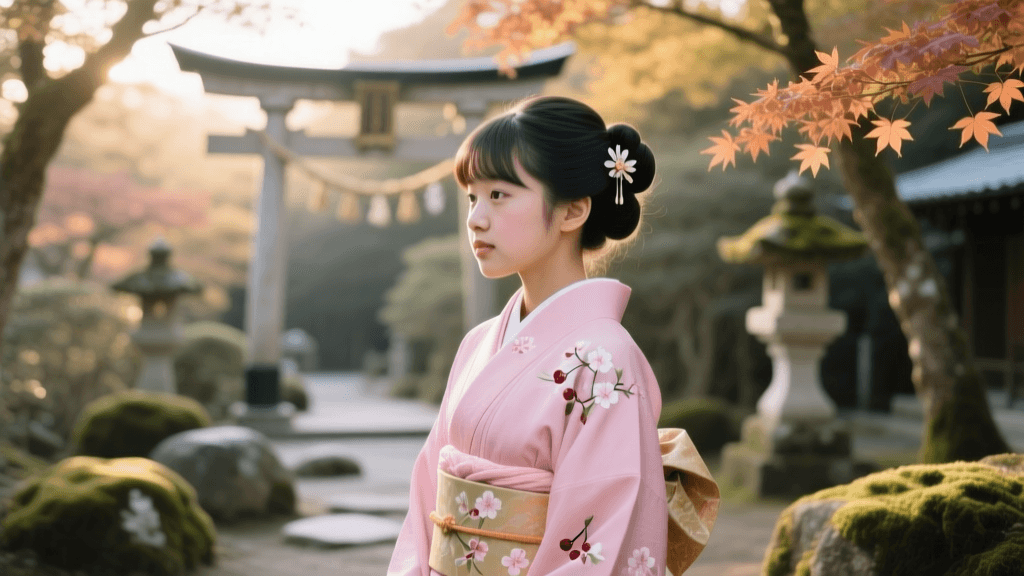
Shichi-Go-San, which literally translates to Seven-Five-Three, is one of the most significant traditional coming-of-age festivals in Japan. Celebrated annually on November 15th, this milestone event honors the growth, health, and future prosperity of young children. During this time, families dress their children in exquisite traditional garments and visit local Shinto shrines to offer prayers of gratitude and seek blessings for the years ahead. For parents, navigating the world of children's kimono can be both an exciting and overwhelming experience. From understanding the specific layering systems required for different ages to managing rental bookings and shrine etiquette, preparation is key to ensuring a smooth and memorable celebration.
According to cultural historians and resources like Tofugu's comprehensive guide to Japanese festivals, the tradition originated in the Heian period (794-1185) among court nobles and later spread to the samurai and merchant classes during the Edo period. Historically, childhood mortality was high, and reaching the ages of three, five, and seven was considered a major milestone worthy of divine acknowledgment. Today, while the strictness of the ages has relaxed slightly—many parents celebrate when their child is in the corresponding age bracket rather than on the exact year—the sartorial traditions remain deeply rooted in historical practices.
The Three Milestones: Garments by Age and Gender
The clothing worn during Shichi-Go-San is highly specific to the child's age and gender. Each ensemble represents a distinct stage in a child's transition from infancy to early childhood, featuring unique undergarments, outer layers, and accessories.
Three-Year-Olds: The Hifu and Kimono
At age three, both boys and girls traditionally participate in the festival, though modern celebrations often see more girls dressed in the traditional attire. The hallmark of the three-year-old's ensemble is the hifu, a padded, sleeveless silk vest worn over the kimono. Because three-year-olds are still very young, the hifu eliminates the need for a tight, restrictive obi (sash), allowing the child to move, play, and use the restroom with minimal discomfort. The kimono underneath is typically made of soft, brightly colored silk crepe (chirimen) featuring playful motifs like rabbits, flowers, or treasure ships. Girls will often carry a small decorative purse (hakoseko) and wear traditional straw sandals (zori) with split-toe socks (tabi).
Five-Year-Old Boys: The First Hakama
For five-year-old boys, Shichi-Go-San marks the hakamagi ceremony, which translates to the 'first wearing of the hakama.' The boy is dressed in a formal kimono bearing the family crest (mon) on the back and sleeves. Over this, he wears a stiff, pleated hakama (traditional trousers) and a matching haori (jacket). The haori is secured with a decorative braided cord called a haori-himo. This ensemble is designed to make the young boy look like a miniature samurai or nobleman, instilling a sense of dignity and responsibility. Completing the look are white tabi socks and formal zori sandals. Because the hakama requires precise tying at the waist, professional dressing is highly recommended to ensure the pleats remain sharp throughout the day.
Seven-Year-Old Girls: The Ohashori and Formal Obi
The seven-year-old celebration is arguably the most visually stunning. At this age, girls transition from child-like garments to a style that closely mimics adult women's formal wear. The most critical difference is the use of the ohashori—a waist tuck that allows the kimono to be adjusted to the child's height while maintaining the correct proportions. Unlike the three-year-old's hifu, the seven-year-old wears a real, structured obi (often a fukuro obi or a darari obi tied in a large, decorative bow at the back). The ensemble requires multiple under-layers, including a hadajuban (undershirt), nagajuban (under-kimono), and various padding to create a smooth, cylindrical silhouette. The garments are heavily patterned with auspicious symbols like cranes, pines, and gosho-guruma (court carriages). As noted in the Victoria and Albert Museum's textile archives, the evolution of these silk weaving techniques and motif placements reflects centuries of Japanese artisan mastery, making the seven-year-old's kimono a true work of wearable art.
Buying vs. Renting: Costs and Practicalities
One of the most common dilemmas for parents is whether to purchase a kimono set or rent one. Given that children outgrow these garments rapidly and the festival only occurs once per age milestone, renting has become the overwhelmingly popular choice. However, purchasing offers sentimental value and the potential for reuse by younger siblings. Below is a detailed comparison to help you decide.
| Option | Average Cost (JPY) | Pros | Cons |
|---|---|---|---|
| Rental Package | ¥10,000 - ¥35,000 | Includes professional dressing, hair styling, accessories, and sometimes studio photography. No storage or cleaning required. | Limited sizing availability if booked late; strict return deadlines on the day of the festival. |
| Buying New (Department Store) | ¥50,000 - ¥150,000+ | Perfect fit, high-quality silk, serves as a lifelong keepsake, can be passed down to siblings or future generations. | High upfront cost; requires hiring a separate professional dresser (kitsuke-shi) which adds ¥5,000 - ¥10,000. |
| Buying Secondhand (Recycle Shop) | ¥5,000 - ¥20,000 | Highly affordable, eco-friendly, allows access to vintage, high-quality silk that is no longer manufactured. | Condition varies, may require professional cleaning, often missing crucial small accessories like obijime or zori. |
For those planning a trip to Japan specifically to experience this cultural event, or for expats living in the country, booking a rental package at a local kimono studio is the most stress-free route. As highlighted by Japan Experience's seasonal travel guides, the weeks surrounding November 15th see a massive surge in domestic travel and studio bookings, meaning early reservation is absolutely critical.
Sizing, Measurements, and Booking Timelines
Unlike Western clothing, kimono are not sized by standard small, medium, or large charts. They are adjusted to the wearer's body through folding and tucking. However, for children, whose proportions change rapidly, studios rely on specific height brackets.
- 3-Year-Old Bracket: Designed for children 90cm to 100cm tall.
- 5-Year-Old Bracket: Designed for children 105cm to 115cm tall.
- 7-Year-Old Bracket: Designed for children 115cm to 130cm tall.
If your child falls on the extreme ends of these brackets (e.g., a very tall 5-year-old), you must inform the rental studio in advance. They may need to pull inventory from the 7-year-old section and adjust the ohashori accordingly. Booking Timeline: You should book your rental package and schedule your studio fittings between May and August. By September, popular designs and weekend appointment slots are completely sold out.
Footwear Sizing: Zori (sandals) are sized in centimeters. Always measure the child's foot from heel to longest toe and add 0.5cm. If the zori are too large, the child will trip; if they are too small, their heels will hang off the back, causing blisters and ruining the formal aesthetic.
Shrine Visit Etiquette and Photography Tips
The climax of Shichi-Go-San is the shrine visit (Omamori). When arriving at the shrine, families should first purify themselves at the chozuya (water pavilion) by washing their hands and rinsing their mouths. Because the children are dressed in restrictive, expensive silk, parents must be highly vigilant to prevent the garments from dragging on wet surfaces or getting splashed.
At the main hall, families participate in a formal prayer ceremony called kitō. This requires a monetary offering known as hatsuhoryo, which typically ranges from ¥5,000 to ¥10,000 per child. The money should be placed in a special decorative envelope called a noshibukuro, available at any convenience store or stationery shop. During the ceremony, the Shinto priest will wave a purification wand (nusa) over the children and offer a sacred sakaki branch (tamagushi). Parents should guide their children to bow twice, clap twice, and bow once—the standard Shinto greeting.
Following the ceremony, children are gifted Chitose Ame (Thousand-Year Candy). These are long, thin, red and white hard candies packaged in elaborate paper bags featuring cranes and turtles, symbols of longevity. The candy is intentionally designed to be difficult to break, representing the parents' wish for their child's long, unbroken life. For photography, natural light is best. If taking photos outdoors in the shrine courtyard, position the child so the sun illuminates their face and the intricate silk patterns of the obi or hifu. Avoid forcing the child to sit on the ground, as the silk will stain instantly; instead, use a portable folding stool or have them stand near the stone lanterns for the best compositional backdrop.
Final Thoughts on Preserving the Tradition
Navigating the complexities of Shichi-Go-San requires patience, planning, and a deep appreciation for Japanese textile heritage. Whether you choose the convenience of a modern rental package or invest in a bespoke silk heirloom, the true essence of the festival lies in the communal celebration of childhood. By understanding the historical significance of the garments, respecting the shrine etiquette, and preparing for the logistical hurdles of dressing a child in traditional layers, parents can ensure that this fleeting, beautiful milestone is preserved with grace and dignity.