Ceremonial vs Everyday Hanbok in 2026: A Complete Styling Guide
The Evolution of Hanbok: Ceremonial Grandeur vs. Everyday Practicality in 2026
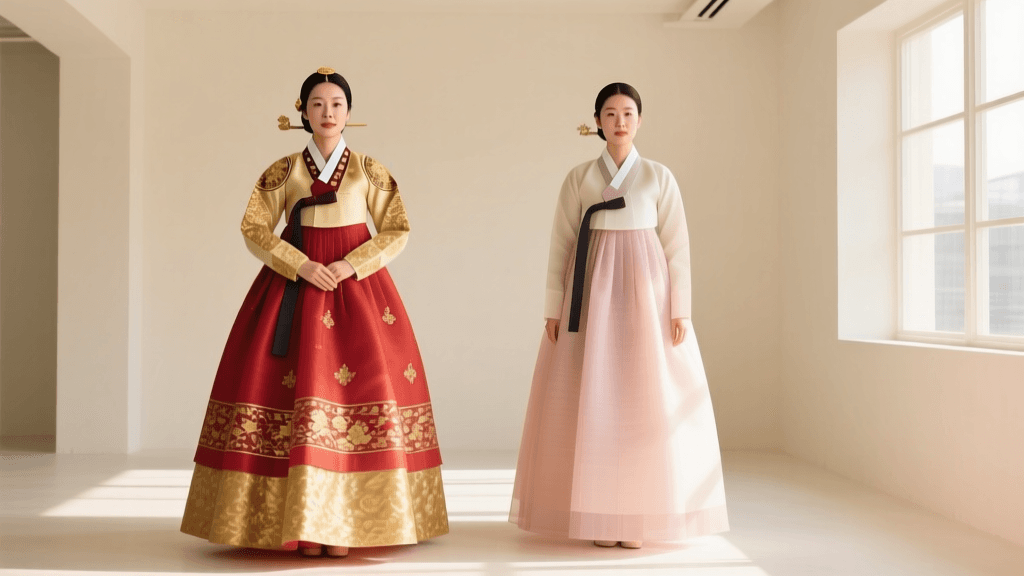
The landscape of Asian traditional garments has undergone a remarkable transformation as we move through 2026. While global fashion continues to embrace cultural heritage, few garments illustrate the duality of tradition and modernity as vividly as the Korean Hanbok. Today, the Hanbok is not a monolith; it is broadly categorized into two distinct spheres: the elaborate, deeply symbolic ceremonial garments like the Wonsam and Hwalot, and the highly practical, modernized Saenghwal Hanbok (daily Hanbok) designed for contemporary life. Understanding the structural, material, and stylistic differences between these two categories is essential for anyone looking to wear, collect, or design traditional Korean clothing in 2026.
According to cultural insights published by Korea.net, the global appreciation for Hanbok has surged, driven by international media, K-culture exports, and a renewed domestic interest in sustainable, heritage-based fashion. However, wearing a heavy, multi-layered bridal robe to a casual cafe in Seoul is just as impractical as wearing a minimalist cotton daily Hanbok to a traditional wedding. This guide will break down the precise differences between ceremonial and everyday Hanbok, offering actionable advice on styling, sourcing, and garment care for the modern wearer.
Ceremonial Hanbok: The Wonsam and Hwalot Explained
Ceremonial Hanbok is rooted in the strict sumptuary laws and court traditions of the Joseon Dynasty. These garments are characterized by their voluminous silhouettes, vibrant symbolic colors, and intricate embellishments. The two most prominent forms of ceremonial wear still utilized in modern weddings and major cultural festivals are the Wonsam and the Hwalot.
The Wonsam: Courtly Elegance
Originally the ceremonial robe for queens and princesses, the Wonsam is a wide-sleeved, floor-length overcoat. In 2026, it is most frequently seen in traditional Korean weddings (Pyebaek). The color of the Wonsam denotes status: green was historically reserved for royalty, while red is the standard for modern brides. The fabric is typically heavy silk or brocade, adorned with Geumbak (gold leaf stamping) featuring motifs of peonies, butterflies, and clouds, which symbolize wealth, longevity, and harmony. The sheer weight and structural rigidity of a genuine Wonsam command a regal, upright posture from the wearer.
The Hwalot: The Embroidered Masterpiece
The Hwalot is the traditional bridal robe, famously embroidered with vibrant silk threads depicting peonies, lotus flowers, and white cranes. Unlike the Wonsam, which relies on gold leaf and woven brocade, the Hwalot is a canvas for master-level embroidery. In 2026, authentic, hand-embroidered Hwalot pieces are considered wearable art, often passed down as family heirlooms or housed in museum archives. The Metropolitan Museum of Art notes in its Asian textile collections that the density of the stitching on historical Hwalot garments provided structural integrity to the silk, a technique that modern master artisans are fighting to preserve against the rise of machine embroidery.
Everyday Hanbok: The Saenghwal Hanbok Revolution
While ceremonial garments are reserved for life's most significant milestones, the Saenghwal Hanbok (literally 'daily life Hanbok') is designed for the rigors of the 21st century. Emerging from the Hanbok modernization movements of the late 20th century, the Saenghwal Hanbok of 2026 is a triumph of functional design meeting cultural aesthetics.
Redefined Silhouettes and Fabrics
The everyday Hanbok strips away the cumbersome layers of court dress. The jeogori (jacket) is tailored closer to the body, often featuring simplified, shorter goreum (ribbon ties) or even hidden magnetic clasps. The chima (skirt) is significantly less voluminous, allowing the wearer to navigate crowded subway cars and office spaces without tripping. Crucially, the fabrics have shifted from delicate, dry-clean-only silks to durable cotton-linen blends, washed denims, and innovative eco-friendly Hanji (traditional Korean mulberry paper) textile blends that offer breathability and machine-washable convenience.
Integration with Modern Wardrobes
In 2026, the Saenghwal Hanbok is rarely worn as a full, isolated set. Instead, it is treated as modular streetwear. A modern wearer might pair a structured, cropped Hanbok jacket with high-waisted wide-leg trousers, or wear a flowy, ankle-length Hanbok skirt with a simple white t-shirt and chunky sneakers. This modularity has made the everyday Hanbok a staple in the wardrobes of young professionals in Seoul, Tokyo, and beyond.
Key Differences: Ceremonial vs. Everyday Hanbok (2026 Comparison)
To fully grasp the functional divide between these two categories, refer to the comprehensive comparison table below, reflecting market realities and textile standards as of 2026.
| Feature | Ceremonial (Wonsam / Hwalot) | Everyday (Saenghwal Hanbok) |
|---|---|---|
| Primary Occasion | Weddings, Chuseok, Seollal, Royal Reenactments | Daily commute, office wear, casual dining, travel |
| Fabrics Used | Heavy silk, brocade, raw silk, gold leaf (Geumbak) | Cotton, linen, Hanji-blends, lightweight polyester |
| Weight & Mobility | Heavy (3-6 kg); restricts rapid movement | Lightweight (0.5-1.5 kg); high mobility |
| Maintenance | Strictly professional dry-clean; archival storage | Machine washable (gentle cycle) or hand wash |
| 2026 Retail Cost | $800 - $4,500+ (Custom/Rental) | $60 - $250 (Ready-to-wear sets) |
| Accessories | Jokduri (crown), Daenggi (ribbons), elaborate Norigae | Minimalist jewelry, modern handbags, leather belts |
Styling Ceremonial Hanbok for Modern Milestones
Wearing a Wonsam or Hwalot in 2026 requires a commitment to historical accuracy in the accessories, even if the garment itself is a modern reproduction. The silhouette is defined by the layers worn beneath the overcoat. A bride will typically wear a Daeshim (a white sash tied around the chest to support the heavy skirt) and multiple underskirts to achieve the iconic bell shape.
Essential Ceremonial Accessories
- Jokduri: The traditional bridal crown. In 2026, modern brides often opt for lightweight, 3D-printed resin replicas adorned with traditional faux-jade and coral beads to reduce neck strain during long photoshoots.
- Norigae: Ornamental pendants tied to the goreum (chest ribbon). For ceremonial wear, a triple-pendant Samjak Norigae featuring intricate knotting and semi-precious stones is mandatory to balance the visual weight of the wide sleeves.
- Hwa (Footwear): Traditional silk shoes. Because the hem of the Wonsam sweeps the floor, the shoes are rarely seen, but they remain a vital part of the ceremonial dressing ritual.
The Cultural Heritage Administration of Korea frequently emphasizes that the proper tying of the goreum (the chest ribbon) is the most critical element of ceremonial Hanbok. The left ribbon must be laid over the right, forming a specific, symmetrical knot that hangs elegantly down the center of the torso. A poorly tied goreum instantly diminishes the regal aesthetic of the Wonsam.
Integrating Saenghwal Hanbok into Your 2026 Daily Wardrobe
The beauty of the everyday Hanbok lies in its versatility. Styling it requires a departure from strict traditional rules, embracing instead a philosophy of cultural fusion.
Footwear and Outerwear Pairings
Forget the traditional kkotsin (flower shoes) for daily wear. In 2026, the most stylish way to anchor a Saenghwal Hanbok skirt is with grounded, contemporary footwear. White leather sneakers, Chelsea boots, and even strappy minimalist sandals work beautifully with the flowing lines of the chima. When the weather cools, a tailored wool overcoat or a cropped leather jacket layered over the Hanbok jeogori creates a striking juxtaposition of textures and eras.
Jewelry and Hair
While ceremonial Hanbok demands elaborate updos and heavy hairpins, everyday Hanbok pairs best with effortless, modern styling. Loose waves, low buns secured with simple metallic clips, or even a sleek bob are ideal. Keep jewelry minimal; a single pair of geometric drop earrings or a delicate pearl necklace is enough to elevate the outfit without competing with the garment's inherent structural beauty.
Sourcing, Pricing, and Garment Care in 2026
Whether you are investing in a bespoke ceremonial piece or building a capsule wardrobe of daily Hanbok, knowing where to shop and how to care for your garments is paramount.
Where to Buy
For ceremonial Hanbok, the Bukchon Hanok Village area in Seoul remains the premier destination for bespoke ateliers. Master tailors here offer custom fittings, allowing you to select your silk brocade and gold leaf motifs. Expect to pay a premium for authentic hand-embroidery, with prices in 2026 reflecting the rising cost of skilled artisanal labor. For everyday Hanbok, online platforms and boutique concept stores in neighborhoods like Seongsu-dong offer ready-to-wear collections. Brands focusing on sustainable Hanji-cotton blends are particularly popular this year, offering garments that are both eco-conscious and incredibly comfortable.
Care and Maintenance
The care regimen for these two categories could not be more different:
- Ceremonial Care: Never attempt to wash a silk Wonsam or Hwalot at home. The gold leaf (Geumbak) will flake, and the silk will warp. After wearing, air the garment out in a shaded, well-ventilated area for 24 hours before returning it to a breathable cotton garment bag. Store with natural camphor or cedar blocks to deter moths, avoiding chemical mothballs which can discolor the silk.
- Everyday Care: Most modern Saenghwal Hanbok made from cotton or linen blends can be machine washed on a gentle, cold-water cycle. Place the garment in a mesh laundry bag to protect the ribbon ties from tangling. Hang dry immediately to prevent deep wrinkles, and use a steamer rather than a heavy iron to maintain the crispness of the collar (git) and the smooth drape of the skirt.
Conclusion
The dichotomy between the ceremonial Wonsam and the everyday Saenghwal Hanbok highlights the incredible adaptability of Asian traditional garments. In 2026, you do not have to choose between honoring history and living in the present. By understanding the distinct purposes, materials, and styling rules of both categories, you can confidently navigate the world of Hanbok, whether you are stepping into a centuries-old wedding ritual or simply heading out for a modern coffee run in Seoul.