Best Japanese Traditional Garment Workshops & Online Courses 2026
The Renaissance of Heritage Textiles in Modern Education
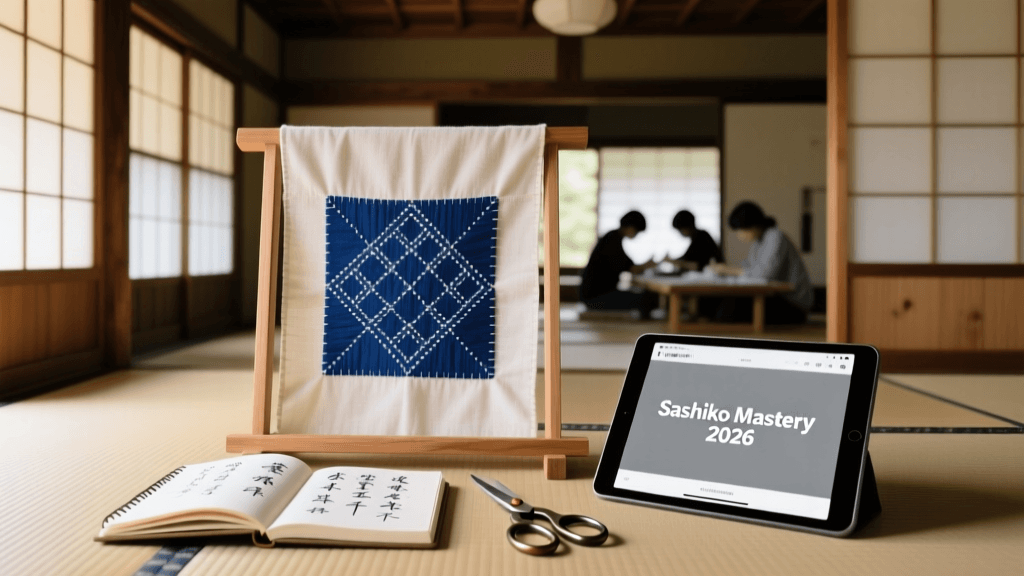
The global fascination with traditional Japanese garments and textile techniques has reached a fever pitch in 2026. As the fashion industry pivots toward sustainability, slow fashion, and artisanal craftsmanship, heritage techniques like Sashiko, Shibori, Boro, and traditional Kimono tailoring are no longer confined to rural ateliers. Today, Japan’s most prestigious fashion schools have embraced hybrid learning models, allowing international students to master these centuries-old crafts from anywhere in the world. Whether you are a seasoned designer looking to incorporate natural dyeing into your 2026 collection or a hobbyist eager to learn the meditative art of Hitomezashi stitching, Japanese fashion institutions now offer unparalleled online and intensive workshop experiences.
The 2026 Educational Landscape: AR, VR, and Heritage Craft
Learning a tactile craft like traditional garment making through a screen was once considered impossible. However, the 2026 curriculum at top Japanese fashion schools integrates cutting-edge educational technology with ancient methodologies. Students enrolled in online programs now receive physical material kits shipped globally, paired with Augmented Reality (AR) stitching overlays. By wearing lightweight AR glasses or using smartphone camera feeds, remote learners can project exact stitch lengths, tension guides, and pattern grids directly onto their fabric in real-time. Furthermore, virtual reality (VR) loom simulations allow students to understand the complex warp and weft structures of Nishijin-ori brocades before ever touching a physical loom. This seamless blend of high-tech instruction and low-tech execution has democratized access to Japan’s most guarded sartorial secrets.
Top Japanese Fashion Schools Offering Hybrid Workshops in 2026
Bunka Fashion College: Sashiko and Kimono Tailoring
Consistently ranked among the top fashion schools globally, Bunka Fashion College in Tokyo has expanded its renowned traditional garment department to include comprehensive online modules for 2026. Their flagship hybrid course, "Modern Sashiko and Structural Kimono Tailoring," teaches the mathematical precision required for flat-pattern kimono construction. The online portion covers the history and geometric drafting of Sashiko patterns, while the intensive two-week in-person workshop in Shinjuku focuses on the physical assembly, silk basting, and final hand-stitching. Bunka’s 2026 syllabus heavily emphasizes the upcycling of vintage textiles, teaching students how to use Sashiko not just for decoration, but for structural reinforcement of distressed garments.
Sugino Fashion College: Shibori and Natural Dyeing
Located in Meguro, Sugino Fashion College is celebrated for its deep ties to traditional Japanese aesthetics and textile manipulation. In 2026, Sugino launched the "Indigo Immersion: Shibori Techniques for Contemporary Fashion" program. This course is highly sought after by sustainable fashion designers. The online lectures cover the chemistry of natural indigo vats, the history of regional dyeing styles like Arimatsu Shibori, and the environmental impact of synthetic alternatives. Students receive a specialized home-dyeing kit containing pre-reduced natural indigo, calcium hydroxide, and various binding tools (karamage, makiage). The course culminates in a digital portfolio review where master artisans evaluate the students' dye penetration and pattern clarity via high-resolution macro photography.
Mode Gakuen: Avant-Garde Boro and Upcycling
Mode Gakuen, with campuses in Tokyo, Osaka, and Nagoya, is known for its avant-garde approach to fashion design. Their 2026 workshop series, "Boro: The Art of Beautiful Mending," treats the traditional peasant practice of patching garments as a high-fashion design language. The hybrid format includes weekly live-streamed demonstrations from master upcyclers who deconstruct and reconstruct vintage denim and cotton using traditional Boro techniques. Students learn to balance the wabi-sabi aesthetic with modern tailoring silhouettes, creating garments that are both historically resonant and commercially viable in the luxury streetwear market.
2026 Program Comparison Chart
| Institution | Course Focus | Format | Duration | 2026 Tuition (Approx.) | Skill Level |
|---|---|---|---|---|---|
| Bunka Fashion College | Sashiko & Kimono Tailoring | Hybrid (Online + 2 Weeks Tokyo) | 4 Months | ¥380,000 ($2,500 USD) | Intermediate |
| Sugino Fashion College | Shibori & Natural Indigo Dyeing | 100% Online with Shipped Kit | 8 Weeks | ¥120,000 ($800 USD) | Beginner to Intermediate |
| Mode Gakuen | Avant-Garde Boro & Upcycling | Hybrid (Online + Weekend Intensive) | 10 Weeks | ¥150,000 ($1,000 USD) | All Levels |
| Kyoto University of Arts | Nishijin-ori Weaving Basics | VR Simulation + Online Theory | 6 Weeks | ¥95,000 ($630 USD) | Beginner |
Essential Toolkit for Online Traditional Garment Learners
While many 2026 courses ship comprehensive starter kits, serious students of traditional Japanese garments often invest in professional-grade tools to refine their practice at home. Here are the essential items recommended by instructors this year:
- Tulip Hiroshima Sashiko Needles: Specifically the 2026 updated anti-rust titanium-coated sets. These needles feature exceptionally sharp points and elongated eyes, crucial for passing through multiple layers of heavy sashiko thread and tightly woven cotton. A set of three varying lengths typically costs around $25 USD.
- Daruma Sashiko Thread (Yokota): The industry standard for authentic stitching. Unlike standard embroidery floss, Daruma thread is tightly twisted and matte, providing the correct structural tension and traditional aesthetic. A 2026 bundle of 40 seasonal colors retails for approximately $85 USD.
- Indigo Dye Vat Thermometer & pH Strips: For Sugino Shibori students, maintaining a living indigo vat requires precision. Digital thermometers with Bluetooth app connectivity allow students to monitor vat temperature (ideally 50°C/122°F) remotely, while specialized pH strips ensure the alkalinity remains between 11 and 12.
- Heritage Cotton Fabric Swatches: Practicing on modern polyester blends will ruin the tension of traditional stitches. Students must source 100% unbleached, medium-weight Japanese cotton (such as Kurume kasuri offcuts) to properly practice Hitomezashi and Moyozashi patterns.
Certification and Career Pathways in 2026
Completing a traditional garment workshop at a recognized Japanese institution opens several lucrative and fulfilling career pathways in the 2026 fashion ecosystem. Graduates of Bunka’s Kimono Tailoring module are highly sought after by global luxury houses looking to integrate authentic Japanese draping into their resort collections. Furthermore, certification in natural dyeing from Sugino qualifies designers for various international sustainability grants and eco-fashion incubators. The rise of the "heritage consultant" has also created a new freelance market; brands launching artisanal capsule collections frequently hire certified Sashiko and Boro practitioners to ensure cultural accuracy and ethical sourcing, avoiding the pitfalls of cultural appropriation.
Actionable Advice for International Enrollees
If you are planning to enroll in a Japanese fashion school's traditional garment program in 2026, preparation is key. First, address the language barrier. While institutions like Bunka and Mode Gakuen offer English-translated portals, the nuanced vocabulary of traditional textiles (such as the difference between shibori binding techniques) often requires specialized translation tools. Utilize 2026’s advanced AI context-translators specifically trained on textile terminology to bridge the gap during live Q&A sessions. Second, factor in international shipping logistics for your physical kits. Natural dye components, particularly calcium hydroxide and raw indigo leaves, can sometimes face customs delays. Enroll at least three months before the semester begins to ensure your materials clear international agricultural and chemical import regulations. Finally, engage with the school's digital alumni network. The Kogei Japan traditional crafts portal and school-specific forums are invaluable for connecting with master artisans who offer private virtual mentorships to dedicated international students.
Conclusion
The integration of traditional Japanese garment techniques into modern, accessible online and hybrid formats marks a golden era for textile education. In 2026, you no longer need to relocate to Kyoto or Tokyo to learn the precise geometry of a kimono or the organic chemistry of an indigo vat. By leveraging the prestigious programs at Bunka, Sugino, and Mode Gakuen, global designers and enthusiasts can preserve, innovate, and wear the rich heritage of Asian traditions with authenticity and respect.