Tai Chi Uniform Guide: Fabrics, Cuts, and Traditional Practice Wear
The Intersection of Martial Arts and Traditional Garments
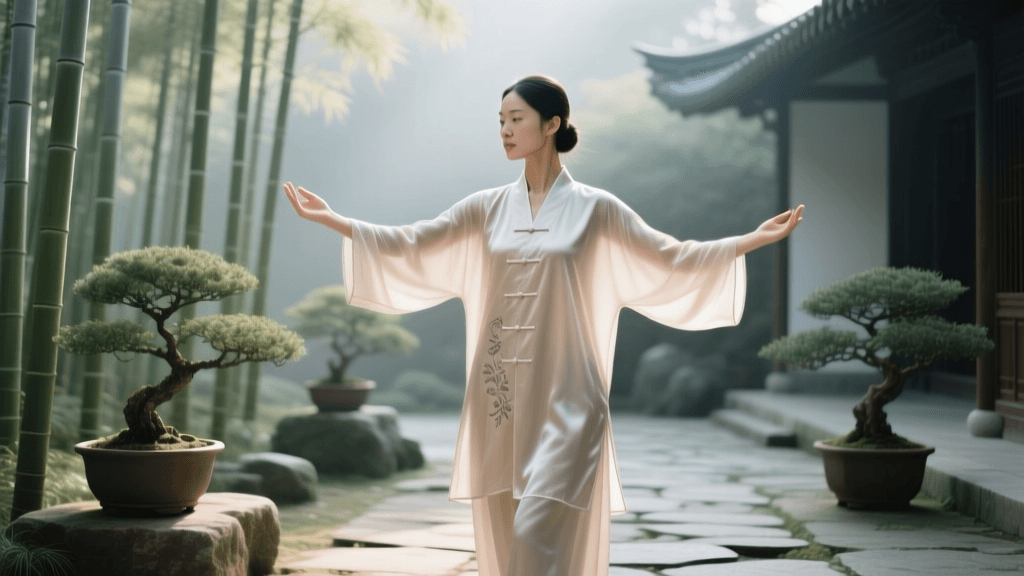
Tai Chi, or Taijiquan, is far more than a series of graceful movements; it is a profound martial art and moving meditation deeply rooted in Chinese philosophy. As practitioners flow through forms like the Yang or Chen styles, the clothing they wear plays a critical role in both physical execution and mental focus. Traditional Tai Chi practice wear, often referred to as tai chi fu or martial arts uniforms, is designed to facilitate the unhindered flow of Qi (vital energy) while honoring centuries of sartorial tradition.
According to Encyclopedia Britannica, Tai Chi emphasizes the harmonious balance of Yin and Yang, a philosophy that extends directly into the garments worn during practice. The clothing must be neither too restrictive nor too loose, embodying the very balance the martial art seeks to cultivate. In this comprehensive guide, we explore the fabrics, cuts, etiquette, and actionable buying advice for modern Tai Chi practitioners seeking the perfect traditional uniform.
Decoding Tai Chi Uniform Fabrics: Silk, Cotton, and Linen
The choice of fabric in a Tai Chi uniform is paramount. It dictates the garment's drape, breathability, and how it interacts with the body during deep stances and sweeping arm movements. Historically, silk was the fabric of choice for masters and nobility, but modern textile advancements have introduced practical alternatives for daily practice.
Mulberry Silk: The Traditional Ideal
Authentic mulberry silk is prized for its temperature-regulating properties and luxurious drape. It glides over the skin, reducing friction during complex forms. However, it requires meticulous care and is generally reserved for demonstrations, competitions, or advanced practitioners.
100% Cotton: The Daily Workhorse
For everyday practice, especially in outdoor parks or humid environments, high-quality cotton is the standard. It absorbs sweat, withstands frequent washing, and provides a structured yet comfortable fit. Brushed cotton is particularly favored in autumn and winter for its added warmth.
Linen and Bamboo Blends: Summer Solutions
Linen offers unparalleled breathability, making it ideal for intense summer sessions. While it wrinkles easily, many practitioners embrace this natural texture as a reflection of natural harmony. Bamboo rayon blends have also surged in popularity, offering a silky feel with the moisture-wicking properties of athletic wear.
| Fabric | Breathability | Durability | Maintenance | Best Season | Avg. Cost (USD) |
|---|---|---|---|---|---|
| Mulberry Silk | High | Low | Dry Clean / Hand Wash | Spring / Autumn | $80 - $250+ |
| 100% Cotton | Medium-High | High | Machine Washable | All Seasons | $30 - $70 |
| Linen Blend | Very High | Medium | Machine Wash (Gentle) | Summer | $45 - $90 |
| Bamboo Rayon | Very High | Medium | Machine Wash (Cold) | Summer / Spring | $40 - $80 |
Traditional Cuts and Sizing for Unrestricted Qi Flow
The silhouette of a traditional Tai Chi uniform is instantly recognizable. It typically consists of a mandarin-collar jacket and matching loose-fitting trousers. The cut is intentionally designed to accommodate the wide, grounded stances of martial arts, such as the Ma Bu (horse stance) and Gong Bu (bow stance).
The Mandarin Collar and Frog Buttons
The stand-up Mandarin collar protects the neck from wind while encouraging proper spinal alignment. The jacket is fastened using Pankou—traditional hand-knotted frog buttons. These are not merely decorative; they lie flat against the body, preventing the pressure points and chafing caused by modern zippers or hard plastic buttons during ground movements or weapon forms.
Sizing for Martial Arts: The 'Two-Inch Rule'
When measuring for a Tai Chi uniform, standard Western tailoring rules do not apply. The garment must allow for full expansion of the chest and diaphragm during deep abdominal breathing.
- Chest & Waist: Add 2 to 4 inches to your actual body measurements. The jacket should drape cleanly without pulling at the shoulders when your arms are fully extended.
- Sleeve Length: Sleeves should end right at the wrist bone. In traditional Chen style, slightly longer sleeves are sometimes preferred to accentuate the 'silk reeling' energy, but they should never cover the hands completely.
- Trouser Rise: A high, elasticized, or drawstring waist is crucial. It keeps the garment secure during deep knee bends while allowing the abdomen to remain relaxed.
"The clothing of a martial artist should be an extension of their breath—present, supportive, but never restrictive. When the fabric moves a fraction of a second after the body, the cut is correct."
— Master Li, Traditional Wushu Instructor
Footwear: Grounding Your Practice
A common mistake among beginners is wearing heavily cushioned running shoes to Tai Chi classes. Harvard Health Publishing notes that Tai Chi improves balance and proprioception, benefits that are severely blunted by thick, elevated heels. Traditional practice requires a direct connection to the earth.
The ideal footwear is the traditional cotton Tai Chi shoe, featuring a thin, flexible rubber or cloth sole. These shoes allow the practitioner to feel the ground, grip the mat, and properly distribute weight through the Yongquan (bubbling spring) acupressure point on the sole of the foot. Modern alternatives include minimalist martial arts sneakers, such as the classic Feiyue shoe, which offer a thin sole with slightly more lateral support for outdoor concrete surfaces.
Seasonal Layering for Outdoor Park Practice
Many Tai Chi practitioners prefer to practice outdoors in parks, connecting with nature and the morning air. However, this exposes the practitioner to fluctuating temperatures. Traditional layering is key to maintaining comfort without sacrificing the aesthetic and functional integrity of the uniform.
In cooler months, practitioners often wear a lightweight, long-sleeved cotton undershirt beneath their main uniform jacket. This traps a thin layer of warm air against the skin while allowing the outer cotton or silk layer to block the wind. For the legs, thermal leggings worn beneath the loose Tai Chi trousers are virtually invisible but provide essential warmth for the joints, particularly the knees, which are heavily engaged during stances.
During transitional spring weather, a traditional sleeveless vest (often quilted or made of raw silk) can be worn over the main jacket. This keeps the core warm while leaving the arms entirely free for expansive movements like 'Single Whip' or 'White Crane Spreads Its Wings'. Avoid modern hoodies or zip-up track jackets, as their bulky seams and restrictive cuffs interfere with the natural drape of the uniform and disrupt the visual continuity of the form.
Etiquette and Color Symbolism in Tai Chi Apparel
In traditional Chinese martial arts, the color of your uniform can convey your experience level, the time of day you practice, and your philosophical focus.
- White: Symbolizes purity, new beginnings, and the metal element. It is highly popular for morning practice and is the standard color for beginners and group demonstrations.
- Black: Represents water, depth, and mastery. Black uniforms are often worn by advanced practitioners or instructors, as they absorb heat and ground the wearer's energy.
- Navy Blue & Teal: Associated with wood, growth, and healing. These are excellent, understated choices for daily practice and meditation-focused forms.
- Red & Gold: Generally reserved for festive occasions, New Year celebrations, or high-level competitive Wushu performances, rather than quiet, internal meditation.
Furthermore, the Mayo Clinic highlights the stress-relieving and meditative aspects of Tai Chi. Dressing intentionally in clean, traditional garments helps signal to the brain that it is time to transition from the chaos of daily life into a state of mindful movement.
Actionable Buying Guide: Building Your Practice Wardrobe
If you are looking to invest in authentic Tai Chi practice wear, follow this checklist to ensure you receive a high-quality garment that respects tradition while meeting your physical needs:
- Inspect the Seams: Look for double-stitched seams, particularly around the armholes and the crotch of the trousers. Deep stances put immense stress on these areas.
- Check the Pankou Knots: Ensure the frog buttons are tightly hand-knotted and securely anchored to the fabric. Machine-made, loosely stitched knots will unravel within weeks.
- Test the Fabric Weight: Hold the fabric up to the light. For cotton, you want a medium weight (around 150-200 GSM) that provides structure without feeling like canvas.
- Avoid Synthetic Linings: Many cheap uniforms use polyester linings to cut costs. This traps heat and defeats the breathability of the outer cotton or silk layer.
By carefully selecting your Tai Chi uniform, you do more than just dress for a workout; you wrap yourself in a living tradition. The right garments honor the martial art's rich history, support your physical alignment, and allow your mind to focus entirely on the beautiful, continuous flow of your practice.