Hanfu E-Commerce: From Ancient Silk Markets to Digital Storefronts
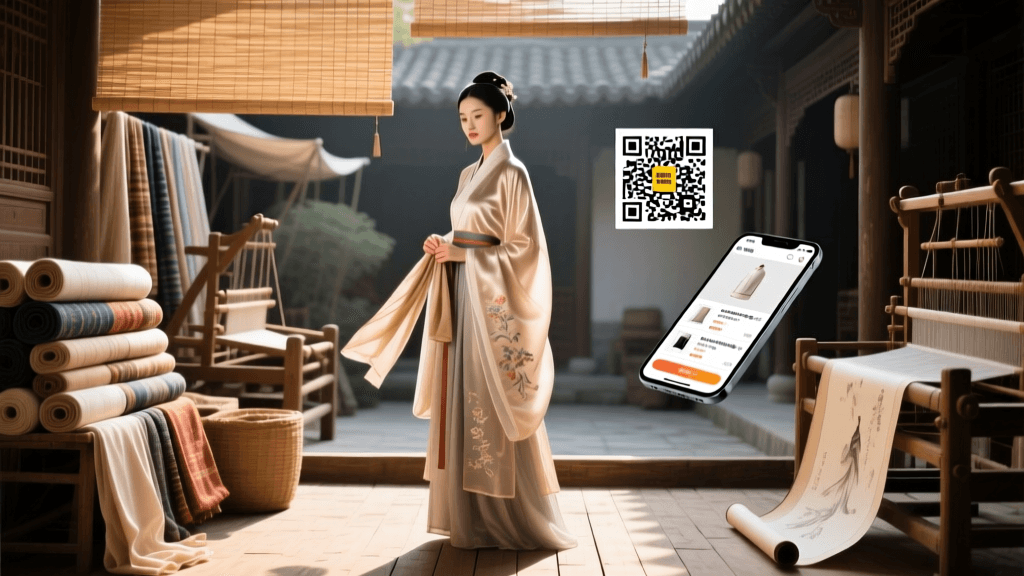
The Evolution of Hanfu Procurement: From Silk Alleys to Digital Carts
The story of traditional Chinese clothing is intrinsically woven into the history of commerce. For centuries, acquiring a high-quality Hanfu was a deeply localized, tactile experience. Today, the landscape has shifted dramatically. The modern Hanfu movement has transformed traditional garment procurement from quiet, bespoke tailor shops in ancient silk hubs into a multi-billion-dollar global e-commerce phenomenon. Understanding this evolution not only provides fascinating historical context but also equips modern enthusiasts with the knowledge needed to navigate the complex digital marketplace for authentic traditional garments.
The Legacy of Physical Silk Markets
Before the advent of the internet, the epicenter of Chinese textile commerce was found in the bustling physical markets of the Yangtze River Delta. Cities like Hangzhou, Suzhou, and Nanjing were historically renowned for their silk production and embroidery. The Hangzhou China Silk City, established in the late 20th century but built upon centuries of regional trade, served as a massive wholesale and retail hub. Here, the process of acquiring traditional garments was highly personalized.
Consumers would visit these markets to select raw fabrics—ranging from lightweight summer gauze to heavy winter brocades. After choosing the textile, the buyer would consult a master tailor. This bespoke process required multiple in-person fittings. The tailor would take precise measurements, draft the flat patterns characteristic of traditional Chinese tailoring, and hand-stitch the garments. While this method ensured unparalleled customization and fit, it was incredibly time-consuming, often taking weeks or months to complete a single set, and was largely inaccessible to those living outside major textile hubs.
The Digital Renaissance and E-Commerce Boom
The early 2000s marked the beginning of the Hanfu revival, initially driven by niche online forums and university clubs. However, the true commercial explosion occurred with the rise of China's e-commerce giants, primarily Taobao and Tmall. Digital storefronts allowed independent designers and historical researchers to bypass the geographical limitations of physical markets, bringing historically accurate garments to a nationwide audience.
According to a comprehensive report by Reuters, the Hanfu market has experienced explosive growth, driven largely by Gen Z consumers who utilize digital platforms to express cultural pride. E-commerce enabled the rise of specialized Hanfu brands like Shisanyu, Minghuatang, and Zhongling, which combine rigorous historical research with modern supply chain logistics. These brands digitized the intricate weaving patterns of the Ming Dynasty and the elegant silhouettes of the Song Dynasty, making them available at the click of a button.
Physical Markets vs. E-Commerce Platforms
To understand the practical differences between the traditional and modern methods of acquiring Hanfu, consider the following comparison:
| Feature | Traditional Physical Markets | Modern E-Commerce Platforms |
|---|---|---|
| Accessibility | Limited to major textile cities (e.g., Hangzhou, Suzhou) | Global access via Taobao, AliExpress, and indie sites |
| Lead Time | 2 to 8 weeks for bespoke tailoring | Instant shipping for stock; 30-45 days for pre-orders |
| Customization | High; fully bespoke measurements and fabric choices | Low to Medium; standardized sizing with some custom options |
| Price Range | High; includes premium fabric and artisan labor costs | Variable; $30 for entry-level to $500+ for premium silk |
| Authenticity Verification | Relies on tailor expertise and fabric touch | Relies on brand reputation, community reviews, and tags |
Actionable Guide: How to Buy Hanfu Online Today
Navigating the modern Hanfu e-commerce landscape can be overwhelming for newcomers. The platforms are vast, the terminology is specific, and the sizing differs significantly from Western fashion. Here is a practical, step-by-step guide to purchasing authentic Hanfu online.
1. Navigating the Pre-Order Model (Yushou)
Unlike fast fashion, many high-quality Hanfu brands operate on a pre-order system known as yushou. Because traditional garments require complex weaving techniques—such as the intricate jacquard patterns used in Ming Dynasty Mamianqun (horse-face skirts)—brands often open a deposit window to gauge demand before manufacturing. Actionable Advice: When buying from top-tier Taobao brands, expect a 30 to 45-day waiting period. You will typically pay a non-refundable deposit upfront, with the final balance due right before shipping. Always check the estimated shipping date on the product listing.
2. Mastering Hanfu Measurements
Traditional Chinese clothing relies on flat-pattern cutting rather than the three-dimensional draping of Western garments. This means the fit is generally looser, and specific measurements are far more critical than others. Actionable Advice: When ordering online, ignore your standard Western dress size. Instead, provide the seller with the following metrics:
- Chest Circumference (Xiong Wei): Crucial for cross-collar tops (Jiaoling). Add 10-15 cm to your actual chest measurement to ensure the right front panel overlaps the left correctly without pulling.
- Arm Span / Sleeve Length (Tong Xiu): Measured from wrist to wrist with arms outstretched. This determines if the sleeves will reach the traditional lengths required for specific dynastic styles.
- Skirt Length (Qun Chang): Measure from your natural waist (above the navel) down to your ankle bone to ensure the skirt does not drag on the floor.
3. Fabric Selection by Season and Climate
E-commerce listings often use specialized textile terms. Choosing the right fabric weight is essential for comfort.
- Summer (Tang/Song styles): Look for Ramie, linen, or lightweight silk (8-12 momme). These breathable fabrics are ideal for the sheer, layered looks of the Song Dynasty Beizi.
- Autumn/Spring: Mid-weight cotton blends, chiffon, and standard polyester jacquards (often used for affordable Mamianqun) provide structure and moderate warmth.
- Winter (Ming styles): Seek out heavy brocade (Zhuanghua), wool blends, velvet, or garments with quilted cotton linings. Ming Dynasty silhouettes are naturally suited for heavy layering and thick collars.
The Battle Against Knockoffs: Zheng vs. Shan
As the market has grown, so has the prevalence of intellectual property theft. In the Hanfu community, authentic, original designs from reputable brands are called Zheng, while unauthorized, poorly made knockoffs are called Shan. The South China Morning Post has highlighted how young consumers are increasingly vigilant about protecting the intellectual property of indie designers who spend months researching historical artifacts to recreate accurate patterns.
Actionable Advice: To avoid buying Shan, always purchase directly from the brand's official Taobao or Tmall flagship store. Be wary of listings on third-party sites that feature watermarked photos from original brands but offer the garment at a fraction of the cost. Authentic brands often include anti-counterfeit tags, holographic stickers, and detailed certificates of historical research in their packaging.
Global Shipping and the Future of Hanfu Retail
The digital transformation of the Hanfu market has erased international borders. As noted by China Daily, the cultural export of traditional Chinese clothing is accelerating, with overseas Chinese diaspora and international enthusiasts driving a surge in cross-border e-commerce. Platforms like AliExpress, as well as specialized global shipping agents (such as Superbuy and Wegobuy), now allow international buyers to purchase directly from domestic Chinese Taobao stores.
Looking forward, the integration of live-streaming commerce on platforms like Douyin (TikTok) and the development of AI-driven virtual fitting rooms are set to further revolutionize the industry. Consumers can now watch artisans weave brocade in real-time before placing an order, bridging the gap between the ancient silk markets of Suzhou and the modern digital cart. By understanding both the rich history and the practical mechanics of this digital marketplace, enthusiasts can confidently build a historically respectful and beautifully crafted traditional wardrobe.