Hanfu Travel Photography: Styling and Social Media Guide
The Rise of Hanfu Tourism and Digital Content Creation
The intersection of traditional Chinese dress and modern travel vlogging has birthed a vibrant new niche in cultural tourism. Across Asia, and particularly in China, the revival of historical garments has transformed how travelers interact with heritage sites. No longer content with merely observing ancient architecture, modern tourists and content creators are immersing themselves in the aesthetic of the past. This comprehensive guide explores how to plan a Hanfu-focused destination trip, select the right garments for varied environments, and optimize your photography for platforms like Xiaohongshu, Douyin, and Instagram.
The modern Hanfu movement has evolved from a niche subculture into a mainstream cultural phenomenon. Driven by a desire to reconnect with pre-Qing dynasty aesthetics, millions of young adults now incorporate historical clothing into their daily lives and travel itineraries. Cities have taken notice, with local tourism boards actively encouraging visitors to don traditional attire. The visual impact of a flowing silk skirt against the backdrop of a centuries-old pavilion creates a compelling narrative for social media, blending historical reverence with modern digital storytelling.
Choosing the Right Hanfu for Travel and Photography
Selecting the appropriate historical style is crucial for both comfort during travel and visual cohesion in your photography. Different dynasties offer distinct silhouettes, fabric weights, and aesthetic moods that pair better with specific landscapes and seasons.
Ming Dynasty Mamianqun (Horse-Face Skirt)
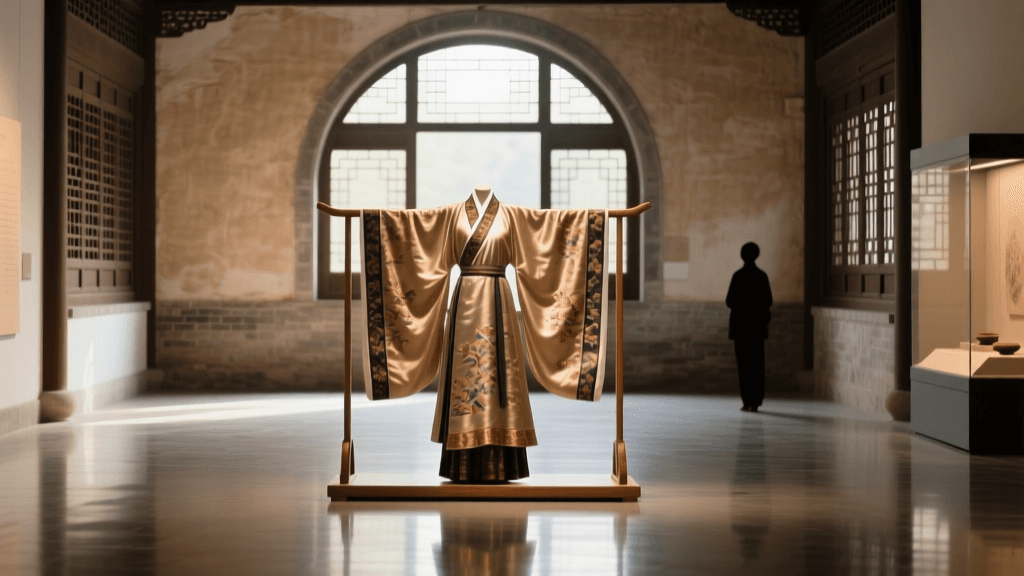
The Mamianqun is a staple of Ming dynasty fashion, characterized by its structured, pleated skirt with flat front and back panels. For travel, this garment is exceptionally practical. The heavy brocade or woven jacquard fabrics hold their shape beautifully in windy conditions, making it ideal for open plazas and mountainous terrains. The ornate waistbands and intricate woven patterns provide rich visual texture for close-up portrait photography. When packing, use a specialized cylindrical skirt roll to prevent permanent creasing of the knife pleats.
Song Dynasty Beizi and Pleated Skirts
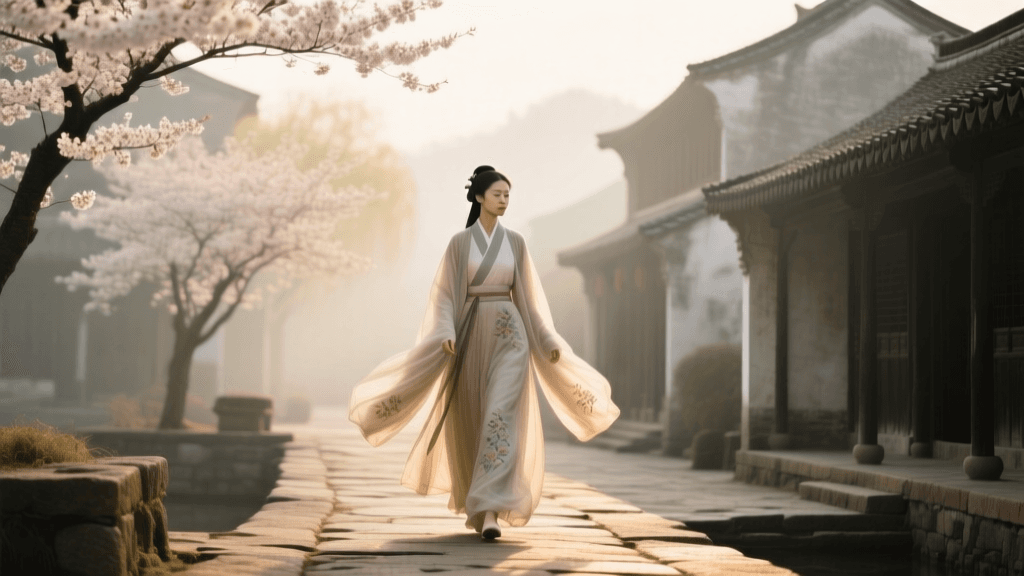
For summer travel and humid water towns, the Song dynasty aesthetic is unparalleled. The Beizi, a long, lightweight outer coat worn over a camisole and pleated skirt, offers an ethereal, scholarly elegance. Made from breathable silks, gauze, or high-quality linen, this layering system allows for temperature regulation. The slender, vertical lines of the Song silhouette perfectly complement the narrow, winding alleys and delicate stone bridges of Jiangnan water towns. Opt for muted, celadon, or pearl-white tones to blend seamlessly with the misty, aquatic landscapes.
Tang Dynasty Qixiong Ruqun
If your destination is the grand, sweeping architecture of the Tang dynasty capitals, the Qixiong Ruqun (chest-high skirt) is mandatory. This style features a voluminous skirt tied high above the bust, paired with a sheer shawl draped over the arms. It is inherently dramatic and highly photogenic, but it requires careful management. The trailing hems can easily collect dirt on unpaved paths, so reserve this style for paved palace courtyards or evening shoots where the flowing fabric can be captured in motion against illuminated lanterns.
| Garment Style | Historical Era | Best Season | Ideal Terrain | Travel Practicality |
|---|---|---|---|---|
| Mamianqun | Ming Dynasty | Autumn/Winter | Mountains, Plazas | High (4/5) |
| Beizi Set | Song Dynasty | Spring/Summer | Water Towns, Gardens | Very High (5/5) |
| Qixiong Ruqun | Tang Dynasty | Spring/Autumn | Palaces, Night Markets | Moderate (3/5) |
| Ruqun (Waist-high) | Jin/Wei | Summer | Forests, Bamboo Groves | High (4/5) |
Top Destination Guides for Hanfu Photography
Xi'an: The Tang Dynasty Illusion
Xi'an, the ancient capital of Chang'an, is the undisputed mecca for Tang dynasty aesthetics. The Datang Everbright City pedestrian district is specifically designed to replicate the bustling markets of the Tang era. For content creators, the golden hour here is magical, but the true spectacle begins at dusk. As thousands of red lanterns illuminate the wooden eaves, the environment transforms into a cinematic dreamscape. Tip: Arrive by 4:00 PM to secure a dressing room at one of the local rental studios, and schedule your primary shoot for the blue hour (roughly 7:15 PM to 7:45 PM) when the sky provides a deep, moody contrast to the warm artificial lights.
Suzhou and Hangzhou: Jiangnan Water Town Elegance
For a more subdued, poetic aesthetic, the classical gardens of Suzhou and the misty shores of Hangzhou's West Lake are ideal. The Humble Administrator's Garden in Suzhou offers intricate moon gates, lotus ponds, and zig-zag bridges that frame the subject perfectly. Because these gardens are heavily trafficked, shoot early in the morning right at opening time (usually 7:30 AM) to capture the morning mist and avoid crowds. The Song and Ming styles shine here, particularly when utilizing props like oil-paper umbrellas, round silk fans, or bamboo flutes to interact with the environment.
Practical Logistics: Packing, Timing, and Budgeting
Executing a seamless Hanfu travel vlog requires meticulous logistical planning. Here are the actionable metrics and costs you need to know:
- Budgeting (Rentals vs. Purchases): Renting a high-quality Hanfu set in tourist hubs like Xi'an costs between 150 to 300 RMB ($20 to $40 USD) per day, which often includes basic hair styling and makeup. For frequent travelers, investing in your own garments from established Taobao brands like Shisan Yu or Zhongling is more economical. A complete, authentic Ming dynasty set will cost between 400 and 800 RMB ($55 to $110 USD).
- Packing Measurements: Hanfu skirts are typically measured from the waist or chest to the floor. When ordering custom or tailored pieces, ensure the hem clears the ground by exactly 2 to 3 centimeters when wearing your intended travel shoes (usually embroidered cloth shoes or flat leather boots). This prevents tripping and keeps the hem clean.
- Hair and Accessories: Authentic styling requires specialized tools. Purchase a Jianfa (wig piece) set online for roughly 100 RMB ($14 USD). Pack a travel-sized bottle of strong-hold hair wax, U-shaped pins, and a velvet jewelry roll to protect delicate resin and jade hairpins from shattering in transit.
- Timing Your Shoots: The optimal lighting window for traditional silk garments is overcast days or the hour immediately following sunrise. Direct, harsh midday sunlight blows out the intricate embroidery details and creates unflattering shadows under the traditional headpieces.
Textile Appreciation and Ethical Sourcing
When curating a travel wardrobe, understanding the textiles elevates your content from mere cosplay to cultural appreciation. The foundation of premium Hanfu lies in traditional silk weaving. The Sericulture and silk craftsmanship of China is recognized by UNESCO as an Intangible Cultural Heritage. When purchasing garments for your travels, seek out vendors who utilize authentic jacquard weaving or traditional woodblock printing techniques. Highlighting these craftsmanship details in your social media captions not only educates your audience but also supports the artisans keeping these ancient textile traditions alive.
Social Media Strategy: Winning on Xiaohongshu, Douyin, and Instagram
Capturing the photo is only half the battle; optimizing it for specific algorithms is where modern content creators excel.
Xiaohongshu (RED)
Xiaohongshu is the premier platform for Hanfu lifestyle and travel guides. Users here search for actionable value. Structure your posts as carousels: Slide 1 should be a stunning, high-contrast portrait; Slides 2-4 should break down the exact garment brands, pricing, and a map of the photo locations; Slide 5 should feature a posing guide demonstrating how to hold fans or arrange sleeves. Use targeted tags like #HanfuTravel, #XianPhotography, and #TraditionalChineseAesthetics.
Douyin and TikTok
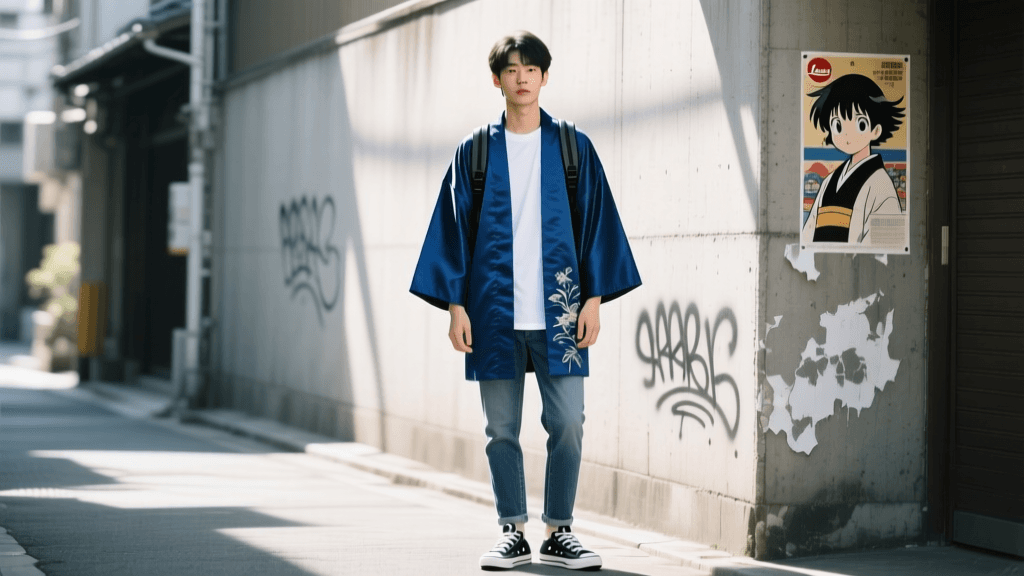
Short-form video demands dynamic movement. Hanfu is uniquely suited for transition videos. Film a before and after sequence starting in modern streetwear in a bustling subway station, utilizing a sleeve-flick or a fan-opening gesture to transition instantly into full traditional regalia in front of an ancient temple. Use slow-motion (60fps or 120fps) to capture the drape of the silk and the sway of the pleated skirts. Audio selection is critical; pair your visuals with trending traditional Chinese instrumental tracks, such as Guzheng or Erhu covers of modern pop songs.
For a global audience, focus on cinematic color grading and storytelling. Western audiences are captivated by the historical context. Use the caption space to explain the dynastic origins of your outfit, the symbolism behind the embroidered motifs (such as cranes for longevity or peonies for wealth), and the architectural history of your location. Reels should focus on the atmospheric details: the sound of rain on an oil-paper umbrella, the rustle of silk, and the intricate process of securing a jade hairpin.
Conclusion
Hanfu destination tourism is more than a fleeting trend; it is a profound re-engagement with Asian heritage through the lens of modern digital expression. By carefully selecting dynasty-appropriate garments, respecting the logistical demands of historical textiles, and tailoring your content strategy to the nuances of each social platform, you can create breathtaking, culturally resonant travel media. Whether you are wandering the lantern-lit streets of Xi'an or capturing the morning mist over a Suzhou garden, the right preparation ensures your journey is as beautiful as it is historically authentic.