Building a 2026 Xin Zhongshi Wardrobe: New Chinese Style Essentials
The Evolution of Xin Zhongshi in 2026
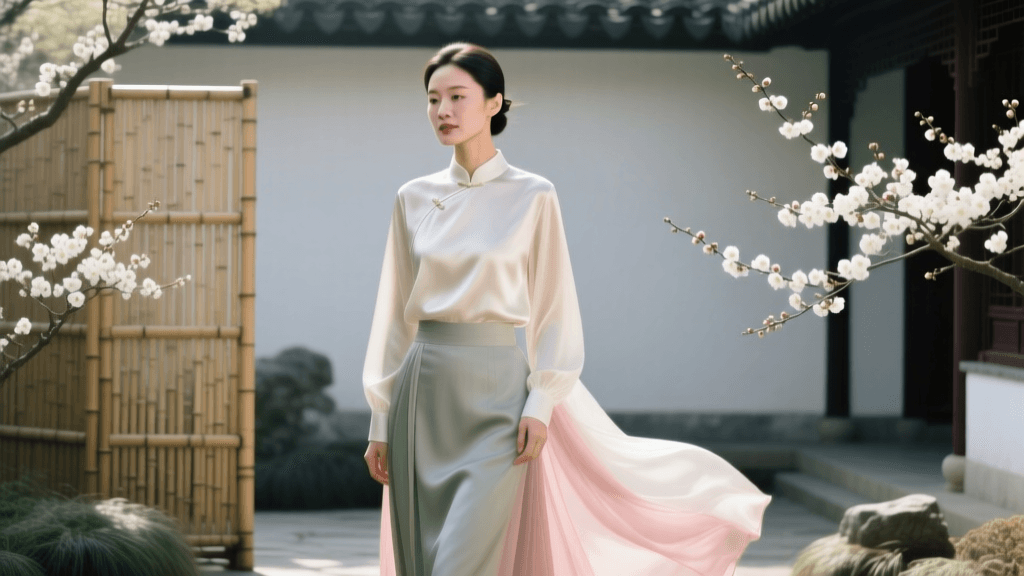
Xin Zhongshi (新中式), translating to 'New Chinese Style,' has transcended its origins as a localized fashion trend to become a dominant global aesthetic by 2026. Unlike the strict historical reenactment of the Hanfu movement, Xin Zhongshi focuses on the seamless integration of traditional Chinese sartorial elements into modern, everyday wardrobes. It is about capturing the spirit of Chinese heritage—through fabric, silhouette, and craftsmanship—while prioritizing contemporary comfort, versatility, and minimalist elegance.
According to textile historians and cultural institutions like the Metropolitan Museum of Art, Chinese silk and weaving techniques have influenced global fashion for centuries. In 2026, the Xin Zhongshi movement reclaims this narrative, placing intangible cultural heritage techniques at the forefront of both luxury and accessible fashion. The modern consumer no longer wants a costume; they want a lived-in, breathable, and culturally resonant wardrobe that transitions effortlessly from a corporate boardroom to an evening tea ceremony.
Core Fabrics Defining the 2026 Aesthetic
Xiangyunsha (Gambiered Guangdong Silk)
At the pinnacle of the 2026 Xin Zhongshi material hierarchy is Xiangyunsha, a centuries-old silk dyeing technique originating from Guangdong province. The fabric is dyed using the juice of the Dioscorea cirrhosa tuber and then coated with iron-rich river mud, resulting in a distinctive dual-toned textile: a rich, earthy brown-black on one side and a glossy, amber hue on the other. As of 2026, authentic, hand-processed Xiangyunsha certified as Intangible Cultural Heritage commands a premium, typically ranging from $180 to $350 per yard. Its natural cooling properties, slight crispness, and resistance to wrinkles make it the ultimate luxury fabric for summer blouses and wide-leg trousers.
Modernized Song Brocade and Breathable Jacquard
Historically reserved for heavy winter garments and ceremonial wear, Song Brocade has been reimagined for the 2026 climate-conscious wardrobe. Contemporary textile mills in Suzhou are now producing ultra-lightweight, cotton-blend jacquards that mimic the intricate, low-relief geometric and floral patterns of traditional brocade but offer the drape and breathability of modern linen. These fabrics frequently feature subtle, tonal motifs like plum blossoms, bamboo, or stylized cranes, providing texture without overwhelming the minimalist silhouette of modern New Chinese tailoring.
The 2026 Xin Zhongshi Color Palette
Moving away from the stark reds and golds often associated with festive wear, the 2026 Xin Zhongshi color palette is deeply rooted in traditional Chinese mineral and plant dyes, emphasizing muted, nature-inspired tones. Key colors dominating this year's collections include:
- Tianqing (Sky Blue): A pale, ethereal blue reminiscent of the sky after rain, often used in lightweight silks and summer outerwear.
- Mohe (Ink Black): A deep, warm charcoal that serves as the foundational neutral for Xiangyunsha garments and tailored trousers.
- Zhuye Qing (Bamboo Leaf Green): A subdued, dusty green that pairs beautifully with cream and off-white linen underlayers.
- Yuebai (Moon White): Not a pure white, but a very pale, cool blue-white that flatters a wide range of skin tones and acts as a primary base color for Mandarin-collar shirts.
Essential Silhouettes for Your Capsule Wardrobe
The Modernized Mamianqun (Horse-Face Skirt)
The Mamianqun is arguably the most recognizable garment in the New Chinese Style movement. As detailed in historical records of the Mamianqun, this skirt features a flat front and back panel with heavily pleated sides, originating in the Ming and Qing dynasties. In 2026, designers have adapted the Mamianqun for daily commuter wear. While traditional versions floor-length and heavy, the 2026 iterations frequently feature midi-length hems (falling just below the calf) and utilize high-twist crepe or lightweight wool blends. Modern adaptations also replace the traditional fabric ties with discreet side zippers and hidden hooks, maintaining the architectural pleats while offering the convenience of modern fastening.
The Deconstructed Mao Jacket and Mandarin Collar Shirts
The stiff, heavily structured jackets of the mid-20th century have been entirely deconstructed for the 2026 wardrobe. Today's Mandarin-collar (Zhongshan collar) shirts feature relaxed, drop-shoulder silhouettes, often crafted from washed linen or raw silk noil. The collar itself is frequently lowered or softened to prevent chafing and to create a more relaxed, approachable neckline. Similarly, the modern 'Tang jacket' is now cut like an oversized chore coat or a lightweight duster, utilizing hidden plackets and subtle Pan Kou (knot buttons) only at the very top of the collar or on the cuffs, allowing the garment to function as a versatile layering piece over modern turtlenecks or simple cotton tees.
2026 Xin Zhongshi Capsule Wardrobe Breakdown
Building a functional New Chinese Style wardrobe requires balancing statement heritage pieces with versatile basics. Below is a curated 5-piece capsule wardrobe guide for 2026, complete with current market estimations and styling applications.
| Garment | Recommended Fabric | Est. 2026 Price (USD) | Styling Use Case |
|---|---|---|---|
| Midi Mamianqun Skirt | Wool-blend Crepe | $120 - $250 | Office wear, formal dinners. Pair with a tucked-in silk blouse. |
| Mandarin Collar Shirt | Washed Linen-Cotton | $60 - $110 | Everyday casual, layering under blazers or knitwear. |
| Xiangyunsha Duster Coat | Gambiered Guangdong Silk | $400 - $750 | Statement outerwear for spring/autumn evenings and cultural events. |
| Wide-Leg Song Brocade Trousers | Cotton Jacquard | $90 - $180 | Weekend wear, art gallery visits. Pair with a minimalist knit top. |
| Pan Kou Knot Cardigan | Merino Wool Blend | $150 - $280 | Cold-weather layering. The knot buttons add subtle heritage texture. |
Accessorizing the New Chinese Look
Accessories in the Xin Zhongshi aesthetic are defined by restraint and material authenticity. In 2026, heavy, ostentatious gold is largely replaced by matte-finish silver, white gold, and, most importantly, jade. However, the jade used in modern styling is rarely carved into traditional bulky pendants. Instead, look for 'water jade' (high-translucency, pale green or ice-white jadeite) cut into minimalist geometric shapes, thin bangles, or subtle cabochon rings. Hair accessories have also seen a revival, with matte metal hair sticks featuring subtle enamel detailing replacing plastic claws, allowing for elegant, traditional half-up hairstyles that complement the Mandarin collar.
Care and Maintenance of Heritage Textiles
Investing in Xin Zhongshi garments means committing to the proper care of delicate, natural fibers. Xiangyunsha, in particular, requires specialized maintenance to preserve its unique mud-dyed patina. Never wash Xiangyunsha in a machine or use alkaline detergents, as this will strip the iron-mud coating and ruin the fabric's structural integrity. Instead, hand wash gently in cool water using a pH-neutral silk wash, and always dry flat in the shade; direct sunlight will cause the amber tones to fade unevenly.
For Song Brocade and jacquard blends, avoid hanging the garments on wire hangers, which can distort the intricate weave patterns at the shoulders. Store these pieces folded in breathable cotton garment bags with natural cedar blocks to deter moths without introducing the harsh chemical odors of synthetic mothballs, which can permanently cling to natural silk and cotton fibers. By respecting the material history and adhering to modern care standards, your 2026 Xin Zhongshi wardrobe will not only look impeccable but will age gracefully, developing a rich patina that tells a story of cultural continuity and personal style.