Buying Authentic Myeongju Silk Hanbok Online in 2026
The Evolution of Online Hanbok Shopping in 2026
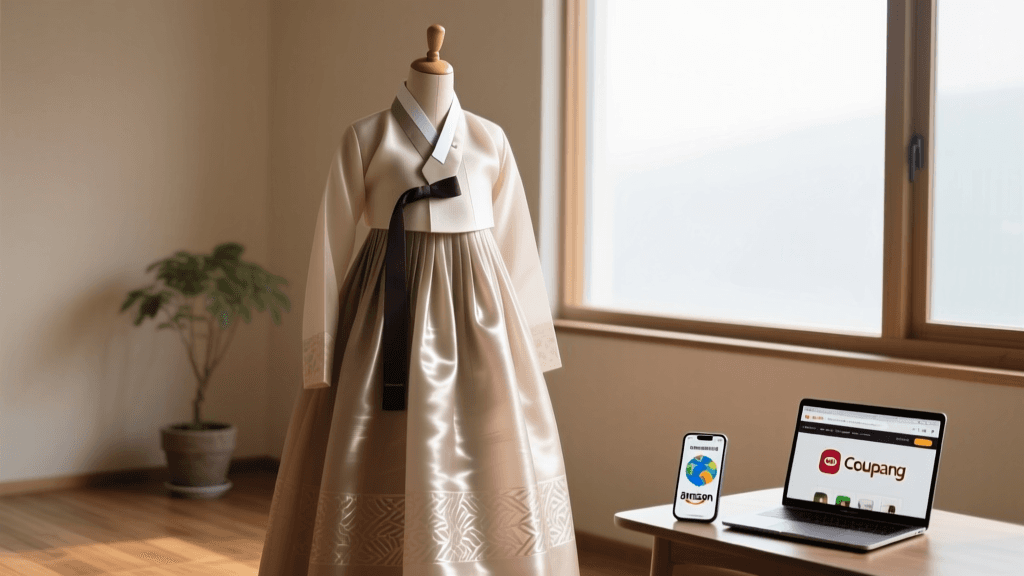
The landscape of traditional Asian garment shopping has undergone a massive transformation by 2026. While the previous decade was defined by the rise of fast-fashion replicas and synthetic rental markets, today's consumers are heavily pivoting toward investment pieces, sustainable textiles, and authentic craftsmanship. For the Korean hanbok, this means a surging demand for genuine Myeongju silk, hand-woven by artisans and tailored using traditional hidden-seam techniques. Navigating the online marketplace to find these authentic garments requires a strategic approach, as the internet is simultaneously flooded with high-quality bespoke tailors and deceptive polyester knockoffs.
According to cultural preservation initiatives highlighted by the Visit Korea organization, there has been a concerted push in 2026 to digitize and globalize access to certified traditional artisans. This guide will walk you through the best online marketplaces for sourcing authentic Myeongju silk hanbok, how to navigate Korean domestic platforms using proxy services, and the exact measurements you need to secure a flawless custom fit from overseas.
Understanding Myeongju Silk: The 2026 Gold Standard
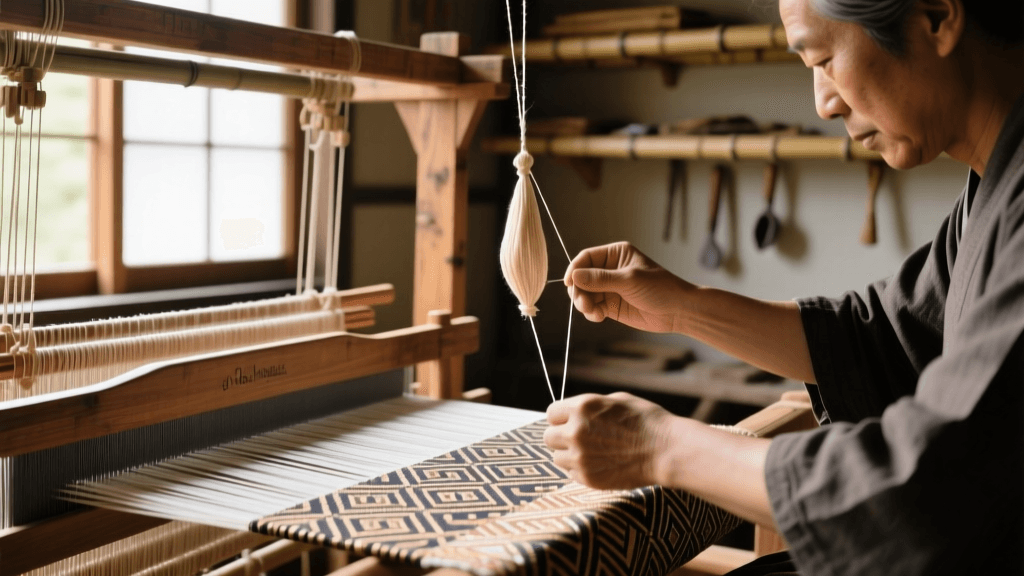
Before adding an item to your cart, it is crucial to understand what you are paying for. Myeongju is a traditional Korean plain-weave silk fabric that has been used for centuries to craft premium hanbok. Unlike the heavily processed, high-sheen silks often imported for mass production, authentic Myeongju possesses a subtle, elegant luster and a remarkably breathable, structured drape. The National Museum of Korea notes that historical Myeongju weaving techniques involve tightly twisting the silk threads, resulting in a fabric that is highly durable, resistant to wrinkling, and exceptionally comfortable in both humid summers and crisp autumns.
In 2026, genuine domestically produced Myeongju silk is a premium commodity. A full custom set (jeogori and chima for women, or jeogori and baji for men) crafted from authentic Korean Myeongju will typically start around 850,000 KRW (approximately $630 USD). If you encounter a 'silk' hanbok on a global marketplace for under $200 USD, it is almost certainly a synthetic blend or a heavily processed imported satin that lacks the historical integrity and structural drape of true Myeongju.
Navigating Naver Shopping: The Domestic Powerhouse
The absolute best selection of authentic, artisan-crafted hanbok is not found on Western e-commerce sites, but on South Korea's domestic search engine and shopping aggregator, Naver Shopping. Here, certified artisans and heritage brands operate digital storefronts offering bespoke tailoring and premium fabrics.
How to Search Effectively:
To bypass the fast-fashion algorithms, you must use precise Korean search terms. Copy and paste these phrases into the Naver Shopping search bar:
- 명주 실크 한복 (Myeongju silk hanbok)
- 전통 바느질 한복 (Traditional sewing/hand-stitched hanbok)
- 맞춤 명주 한복 (Custom Myeongju hanbok)
Using Proxy Services in 2026:
Because most Naver sellers do not ship internationally or accept foreign credit cards directly, international buyers rely on established proxy purchasing services like Delivered Korea or Buyee. In 2026, these services charge a nominal handling fee (usually 5% to 8% of the item price) plus domestic shipping to their warehouse. You simply paste the Naver product URL into the proxy's search bar, select your fabric and color options via their translated interface, and they handle the purchase, quality check, and international consolidation.
Gmarket Global vs. Independent Artisans on Etsy
If navigating proxy services feels too complex, Gmarket Global remains the most accessible direct-to-consumer Korean marketplace for international buyers. Gmarket features an English interface and accepts global payment methods. However, the trade-off is a smaller selection of ultra-premium, heritage-certified artisans. You will find excellent mid-tier Myeongju silk options and reliable ready-to-wear modern hanbok, but highly specialized traditional weaving techniques are rarer here than on Naver.
On the other end of the spectrum is Etsy. In 2026, a growing number of Korean diaspora artisans and boutique studios based in North America and Europe use Etsy to sell custom hanbok. The advantage here is seamless English communication, accurate Western sizing conversions, and no international customs hurdles. The disadvantage is a significant price markup to account for Western labor costs and the importation of raw Korean silk. When shopping on Etsy, always message the seller to request photos of the fabric's selvedge and ask specifically if the garment is lined with traditional cotton or synthetic poly-blends.
2026 Marketplace Comparison Chart
| Platform | Best For | Est. Price Range (Full Set) | Authenticity Guarantee | Proxy Required? |
|---|---|---|---|---|
| Naver Shopping | Heritage artisans, bespoke tailoring, rare fabrics | $600 - $2,500+ | High (Look for KCDF certification) | Yes |
| Gmarket Global | Mid-tier authentic silk, modern silhouettes, ease of use | $350 - $900 | Moderate (Read reviews carefully) | No |
| Etsy (Diaspora Artisans) | Custom fittings, English support, local alterations | $800 - $3,000+ | High (If verified artisan) | No |
| AliExpress / Temu | Costume wear, photography props | $30 - $120 | None (Synthetic replicas) | No |
The Modern Measurement Guide for Custom Tailoring
Ordering a custom hanbok online requires a different approach to measuring than Western tailoring. Traditional hanbok relies on flat-pattern cutting and generous draping rather than tight, contoured fits. When an online tailor requests your measurements, you will typically need to provide the following:
- Jeogori (Jacket) - Hwajang (화장): This is not just your arm length. Measure from the prominent bone at the base of your neck, across your shoulder, down to your wrist bone. This dictates the elegant drape of the sleeves.
- Jeogori - Dae (대): The chest measurement. Unlike Western suits, you do not measure the fullest part of the bust tightly. Measure comfortably around the upper chest to ensure the jacket crosses over securely without pulling.
- Chima (Skirt) - Waist to Ankle: Traditional hanbok skirts sit high, often just under the bust or at the natural waist depending on the era being replicated. Measure from your desired waistline down to the ankle bone. Artisans will automatically add 15-20cm to the hem for the necessary voluminous sweep.
- Shoulder Slope: Many premium 2026 online tailors will ask for a photo of your profile and back to assess shoulder slope, ensuring the collar (git) lays flat against the neck without gaping.
Verifying Authenticity and Avoiding Fast-Fashion Replicas
As the global appreciation for traditional Asian garments grows, so does the sophistication of synthetic replicas. To ensure you are purchasing an authentic cultural garment, look for affiliations with recognized cultural bodies. The Korea Craft & Design Foundation (KCDF) frequently highlights and certifies artisans who maintain traditional weaving and natural dyeing practices. Sellers certified by such organizations will proudly display their badges on their Naver or personal boutique storefronts.
Furthermore, examine the product photography for construction details. Authentic traditional hanbok utilizes hidden seam allowances and hand-finished collars. If you see visible serged edges (overlock stitching) on the inside of the garment in the product photos, or if the collar is stiffened with modern fusible interfacing rather than traditional paper or silk padding, you are looking at a mass-produced, modernized garment rather than a traditionally constructed piece.
Caring for Your Myeongju Silk Investment
Once your authentic hanbok arrives, proper care is essential to maintain the integrity of the Myeongju silk. While some modernized silks claim to be machine washable, true hand-woven Myeongju should only be professionally dry-cleaned using eco-friendly solvents that do not strip the silk's natural proteins. When storing the garment for long periods, avoid plastic garment bags, which trap moisture and cause the silk to yellow. Instead, wrap the hanbok in acid-free tissue paper or unbleached cotton cloth, and store it in a breathable paulownia wood box, which naturally regulates humidity and repels insects.
Final Tips for 2026 Hanbok Shoppers
Purchasing an authentic hanbok online is a deeply rewarding process that connects you directly to centuries of Asian textile heritage. By utilizing domestic Korean marketplaces via proxy services, verifying fabric origins, and understanding the unique geometry of traditional tailoring, you can secure a breathtaking, museum-quality garment that will last a lifetime. Take your time communicating with artisans, respect the lead times required for hand-weaving and natural dyeing, and prepare to add a true masterpiece to your wardrobe.