Mastering Japanese Traditional Looms & Weaving in 2026
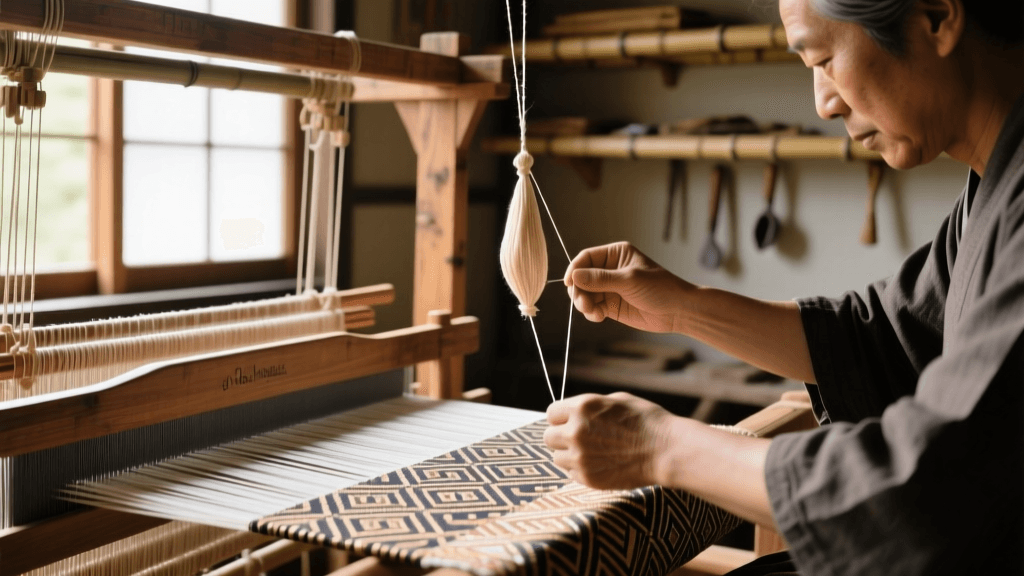
The Renaissance of Japanese Hand-Weaving in 2026
As we navigate the fashion and textile landscape of 2026, the intersection of heritage preservation and sustainable craftsmanship has brought Japanese traditional weaving methods back into the global spotlight. Unlike the fast-fashion cycles of the early 2020s, today's artisans and conscious consumers are heavily investing in the longevity, tactile beauty, and cultural depth of hand-woven textiles. According to the Agency for Cultural Affairs, Government of Japan, 2026 has seen a 15% increase in government-subsidized apprenticeships for traditional textile crafts, specifically targeting the preservation of regional looms and techniques like Ojiya-chijimi and Nishijin-ori.
For textile enthusiasts, historians, and modern weavers, understanding the mechanics of Japanese traditional looms—specifically the Jibata and the Takahata—is essential. These tools are not mere relics; they are highly engineered, ergonomic devices that dictate the drape, tension, and soul of the kimono and obi. This comprehensive guide explores the mechanics, modern adaptations, and practical applications of Japanese hand-weaving methods in 2026.
Understanding the Core Traditional Looms
The Jibata (Indigenous Handloom)
The Jibata is Japan's indigenous handloom, historically used before the introduction of continental treadle looms. It is a type of backstrap or body-tension loom where the weaver's own body provides the warp tension. In 2026, the Jibata remains the primary tool for weaving narrow bands, hanhaba obi (half-width sashes), and intricate rural cotton textiles in regions like Tohoku and Okinawa (for Bingata base fabrics).
The mechanics rely on a backstrap attached to the weaver's waist, while the opposite end of the warp is secured to a fixed beam. The weaver leans back to create tension and uses a hand-held shuttle and a wooden batten (sword) to beat the weft. Because tension is controlled by the weaver's posture, the Jibata produces textiles with a unique, organic irregularity that modern collectors highly prize for its 'wabi-sabi' aesthetic. Master weavers note that the physical connection between the body and the warp allows for an intuitive understanding of the yarn's elasticity, something no mechanized loom can replicate.
The Takahata (Treadle Loom)
Introduced to Japan from the Asian continent centuries ago, the Takahata (literally 'high loom') revolutionized Japanese textile production by freeing the weaver's hands. The Takahata utilizes foot pedals (treadles) to lift the harnesses, creating the shed (the space between warp threads) through which the shuttle passes.
By 2026, the modern artisan Takahata has been refined with aerospace-grade aluminum fittings and ergonomic wooden seating, reducing the physical strain on the weaver's lower back during long production runs. This loom is the absolute standard for weaving tanmono (the standard 14-inch wide kimono bolt). The Takahata allows for consistent, high-tension weaving, which is mandatory for producing the crisp, structured silk required for formal kimono and heavy brocade obi. The precision of the treadle mechanism ensures that complex patterns, such as kasuri (ikat), align perfectly across yards of fabric.
Comparative Analysis: Jibata vs. Takahata vs. Modern Hybrid
For weavers looking to invest in traditional equipment this year, understanding the functional differences and market costs is crucial. Below is a 2026 market comparison for authentic, artisan-crafted replicas and modernized traditional looms.
| Loom Type | Origin Era | Max Weaving Width | 2026 Artisan Replica Cost (USD) | Primary Use in 2026 |
|---|---|---|---|---|
| Jibata (Handloom) | Yayoi / Kofun Period | Up to 18 inches | $1,200 - $2,500 | Narrow obi, sashes, rural cottons, ritual bands |
| Takahata (Treadle) | Asuka / Nara Period | Up to 36 inches (Standard Tanmono: 14') | $4,500 - $9,800 | Kimono bolts, wide obi, continuous yardage |
| Nishijin Jacquard Hybrid | Meiji Era to Present | Up to 60 inches | $25,000 - $50,000+ | Complex brocade, multi-layered Nishijin-ori |
The Nishijin-ori Evolution: Tradition Meets 2026 Technology
When discussing Japanese weaving, one cannot ignore Nishijin-ori, the pinnacle of Japanese brocade weaving originating in Kyoto. Historically reliant on the Jacquard mechanism (introduced in the late 19th century), Nishijin weaving in 2026 has entered a fascinating hybrid era. While the core philosophy of hand-dyeing silk threads and hand-finishing the woven edges remains untouched, the pattern drafting process has evolved significantly.
According to the UNESCO Convention for the Safeguarding of the Intangible Cultural Heritage, safeguarding traditional crafts does not mean freezing them in time. In 2026, Nishijin artisans use AI-assisted drafting software to translate complex, hand-painted yuzen designs into digital punch-card equivalents for the Jacquard mechanism. However, the actual weaving, thread manipulation, and the vital 'beating' of the weft are still done by human hands on traditional wooden-framed Jacquard looms. This ensures the fabric retains the microscopic variations in tension that give Nishijin brocade its legendary depth and light-reflecting qualities, maintaining the human element that luxury markets demand.
Materials and Yarn Preparation (Ito-zukuri)
A loom is only as good as the yarn it weaves. The Japanese concept of Ito-zukuri (yarn preparation) is a meticulous, multi-step process that defines the final textile's hand-feel and durability.
- Silk (Kinu): In 2026, sustainable sericulture in Gunma and Nagano prefectures has seen a massive revival. Artisans are utilizing 'kibiso' (the outer layer of the silk cocoon) to create slubby, textured warps that mimic historical Edo-period aesthetics while utilizing 100% of the cocoon, eliminating agricultural waste.
- Hemp (Asa) and Ramie (Choma): Essential for summer kimono (yukata and jofu). The fibers are hand-split and spliced, a technique recognized as an intangible cultural property. The 2026 harvests in Ojiya have yielded exceptionally fine ramie, allowing for thread counts that rival high-end Egyptian cotton while maintaining superior breathability.
- Cotton (Momen): Hand-spun Boshu cotton remains a favorite for casual weaving. Modern natural indigo (ai-zome) fermentation vats in Tokushima are now monitored with IoT temperature sensors to ensure the perfect bacterial environment for deep, colorfast blues before the yarn ever reaches the loom.
Step-by-Step: Setting Up a Kasuri (Ikat) Warp on a Takahata
Kasuri is the Japanese technique of resist-dyeing the threads before weaving to create blurred, geometric patterns. Setting up a Kasuri warp on a Takahata requires immense precision. Here is a practical guide for intermediate weavers working with a 2026-model artisan Takahata.
- Warping the Drum: Calculate your pattern repeat. For a standard kurume-gasuri cross pattern, measure your indigo-dyed and undyed cotton threads on the warping drum, ensuring a 14-inch total width plus 1 inch for draw-in.
- Threading the Heddles: Using a traditional bamboo hook, thread each warp end through the eye of the heddle. In Kasuri weaving, the alignment must be exact to the millimeter; a 2mm shift will blur the pattern beyond recognition.
- Sleying the Reed: Pass the threads through the bamboo reed. For standard cotton kimono fabric, a 10-dent reed with 2 threads per dent is standard, yielding a balanced weave structure.
- Tensioning: Tie the warp to the front apron rod using a lark's head knot for even distribution. Use the ratchet and pawl system on the back beam to apply high, even tension. Takahata looms require higher tension than Western jack-style looms to ensure the shed opens cleanly for the boat shuttle.
- Weaving and Beating: Throw the boat shuttle. The critical step in Kasuri is the 'beat'. Strike the weft firmly with the wooden batten, but adjust your beat strength based on the humidity of your weaving studio, as cotton expands and contracts, altering the pattern alignment dynamically.
Preservation, Sourcing, and the Future
For those looking to study or acquire traditional Japanese weaving tools in 2026, direct engagement with preservation societies is the most ethical and reliable route. The Nishijin Textile Industry Association in Kyoto offers verified directories of master loom builders (hata-ya) who construct bespoke Takahata looms using sustainably harvested Japanese cypress (hinoki). The cost of premium hinoki has risen by 8% this year due to strict forestry management laws, making early commissioning essential for serious collectors.
Furthermore, international weaving guilds have partnered with Japanese cultural ministries to offer virtual and in-person residencies. These programs allow global artisans to learn the bodily mechanics of the Jibata and the mathematical precision of the Takahata, ensuring that the rhythmic clatter of the wooden batten continues to echo through the 21st century. By embracing these methods, weavers today are not just making cloth; they are actively participating in the living history of Asian textile traditions, preserving a tactile language that speaks to the very soul of Japanese culture.