Best Japanese Fashion Blogs for Traditional Garments 2026

The Digital Renaissance of Japanese Fashion Journalism
The landscape of Japanese fashion journalism has undergone a profound transformation as we navigate through 2026. While the global fashion press often focuses on the avant-garde streetwear of Harajuku or the minimalist tailoring of Tokyo's high-end designers, a vibrant, dedicated ecosystem of online magazines and independent blogs continues to champion traditional Japanese garments. These digital publications serve as vital archives and contemporary guides for the kimono, yukata, hakama, and the intricate textile arts that define Japan's sartorial heritage. For researchers, collectors, and enthusiasts of Asian traditions, these platforms offer an unparalleled window into the preservation and evolution of kitsuke (the art of wearing kimono).
In 2026, the shift from glossy print monthlies to immersive digital experiences is complete. Modern Japanese fashion blogs dedicated to traditional wear now integrate augmented reality (AR) styling tools, high-resolution macro photography of Nishijin-ori weaves, and AI-assisted seasonal pattern guides. This digital renaissance has democratized access to highly specialized knowledge, allowing a global audience to understand the nuanced rules of kisetsu (seasonality) and the sustainable practices inherent in upcycling vintage silk. According to the Victoria and Albert Museum's comprehensive research on Japanese dress, the kimono remains a dynamic, living garment, continuously reinterpreted by each generation. The digital journalism sphere is the primary engine driving this contemporary reinterpretation.
Leading Online Magazines and Blogs in 2026
For those looking to immerse themselves in traditional Japanese fashion journalism, several standout publications and niche blogs dominate the 2026 digital landscape. These platforms range from legacy magazines that have successfully transitioned to digital-first models to independent, hyper-focused textile blogs.
Utsukushii Kimono Digital Edition
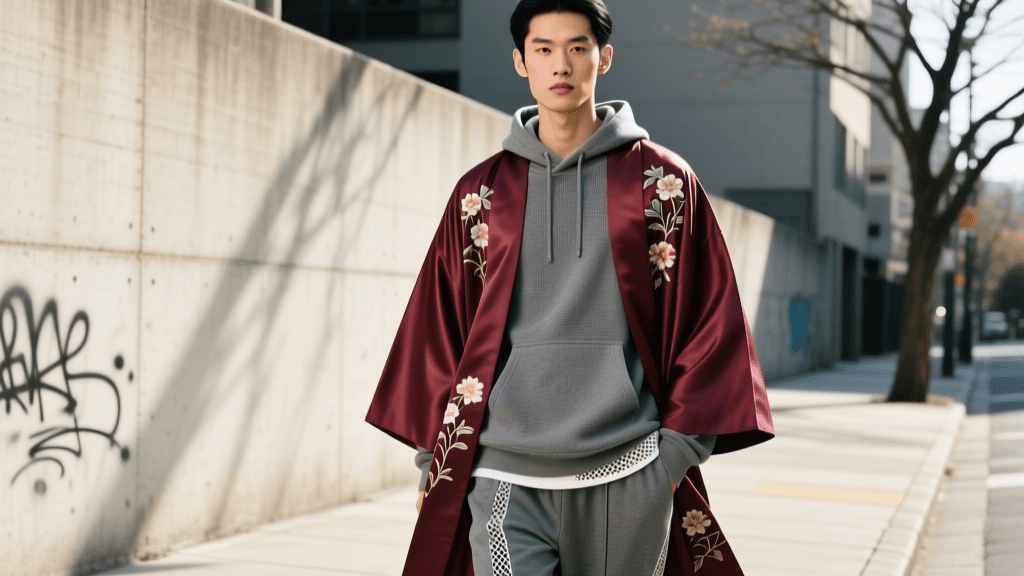
Long considered the gold standard in print for traditional garment enthusiasts, Utsukushii Kimono (Beautiful Kimono) has fully embraced its digital identity in 2026. The online magazine offers interactive seasonal lookbooks that allow readers to click on specific garments to reveal detailed metadata, including the dyer's lineage, the specific type of silk crepe (chirimen) used, and the historical context of the wagara (traditional motif). Their 2026 editorial calendar places a heavy emphasis on 'Neo-Kitsuke,' showcasing how younger generations are pairing vintage Meiji-era haori with modern, sustainable obi belts, bridging the gap between historical preservation and contemporary wearability.
Kimono Walker Online & Social Archives
Originally designed to make kimono accessible to younger Japanese demographics, Kimono Walker's digital footprint in 2026 is a masterclass in cultural translation. Their blog and associated video journals focus heavily on the practicalities of traditional wear in modern urban environments. Recent 2026 series have tackled the complexities of climate-adaptive traditional wear, offering in-depth reviews of breathable linen yukata, moisture-wicking synthetic juban (undergarments), and the correct laundering techniques for washable silk blends. Their journalism is highly actionable, providing step-by-step visual guides for complex obi knots like the fukura-suzume or the versatile bunko.
Wagara Heritage & Textile Diaries
For the deeply invested textile nerd and the serious collector, independent blogs like Wagara Heritage provide the most rigorous fashion journalism in the space. Operating outside the commercial constraints of mainstream magazines, these niche platforms publish long-form investigative pieces on the current state of natural dyeing (shibori and yuzen) in Kyoto and Kanazawa. In 2026, their standout reporting has focused on the revival of endangered plant dyes and the economic realities of the artisans keeping these techniques alive. They frequently collaborate with institutions like the Kyoto Costume Institute to provide historical context for rare Edo-period kosode patterns that are currently inspiring modern weavers.
Key Editorial Trends Shaping Traditional Wear in 2026
Reading through the top Japanese fashion blogs this year reveals several distinct editorial trends that reflect broader societal shifts in Japan and the global Asian diaspora.
Climate-Adaptive Kitsuke
With summers in Japan growing increasingly hot and humid, fashion journalists are dedicating extensive coverage to summer-specific traditional garments. The 2026 summer editorials are dominated by the debate between the traditional cotton yukata and the lightweight, casual jinbei. Blogs are meticulously reviewing the weave structures of 'ro' (gauze) and 'sha' (leno weave) silks, educating readers on how to select garments that offer maximum airflow while maintaining the dignified silhouette required for formal summer tea ceremonies. There is also a surge in articles discussing the use of traditional bamboo and hemp blends as sustainable, cooling alternatives to pure silk.
The Secondhand Silk Economy and Upcycling
Sustainability is no longer a niche topic; it is the central pillar of 2026 fashion journalism. Traditional Japanese garments are inherently sustainable, designed to be taken apart, washed, and re-sewn. Modern blogs are highlighting the booming secondhand kimono markets in Tokyo's Shimokitazawa and Kyoto's antique fairs. Journalists are profiling 'kimono remakers'—artisans and designers who deconstruct damaged vintage kimono to create modern accessories, haori jackets, and even Western-style tailoring. This editorial focus not only promotes circular fashion but also preserves the incredible craftsmanship of mid-20th-century textiles that might otherwise be discarded.
Wagara in Global Streetwear
Japanese fashion blogs are also closely monitoring how traditional motifs (wagara) are being adopted by global streetwear brands. Editorial pieces frequently analyze the cultural appropriation versus appreciation debate, offering guidelines on how international designers can ethically collaborate with Japanese textile guilds. The coverage highlights how motifs like the seigaiha (blue ocean waves), asanoha (hemp leaf), and tsuru (crane) are being reinterpreted through modern digital printing techniques while retaining their traditional auspicious meanings.
Comparison Chart: Top Traditional Fashion Publications
To help you navigate the wealth of information available, here is a structured comparison of the leading digital publications covering traditional Japanese garments in 2026.
| Publication / Blog | Primary Editorial Focus | 2026 Digital Features | Target Audience | Access Model |
|---|---|---|---|---|
| Utsukushii Kimono Digital | High-end editorial, seasonal kitsuke, artisan profiles | AR garment try-ons, interactive motif glossaries | Collectors, formal practitioners, luxury enthusiasts | Premium Subscription |
| Kimono Walker Online | Accessible styling, modern urban wear, beginner guides | Video tutorials, community styling forums, e-commerce links | Beginners, young adults, casual wearers | Freemium / Ad-supported |
| Wagara Heritage Diaries | Textile history, natural dyeing, antique market reports | Macro-photography archives, artisan interview podcasts | Researchers, textile artists, vintage collectors | Independent Patreon / Free |
| Sustainable Silk Japan | Upcycling, secondhand markets, eco-friendly materials | Market price trackers, DIY remaking workshops | Eco-conscious consumers, DIY fashion students | Free Newsletter |
Practical Guide: Navigating Japanese Fashion Terminology
One of the primary challenges for international readers engaging with Japanese fashion journalism is the highly specialized vocabulary. In 2026, while browser translation tools have improved significantly, they often fail to accurately translate nuanced textile terms. When reading these blogs, keep this essential glossary in mind to fully grasp the editorial content:
- Kitsuke (着付け): The art of dressing in a kimono. Blogs often review 'kitsuke schools' and the varying philosophies of how tightly or loosely an obi should be tied.
- Wagara (和柄): Traditional Japanese patterns. Understanding wagara is crucial, as the motif dictates the formality and seasonality of the garment.
- Kasanegi (重ね着): The art of layering. Historically vital for warmth and aesthetic color blending, modern blogs focus on how to achieve the illusion of kasanegi using lightweight, modern collars (date-eri).
- Tansu (箪笥): Traditional chests of drawers used for storing kimono. Many 2026 blog posts focus on 'tansu organization' and the proper use of tatou paper and camphor to preserve vintage silk.
- Ro (絽) and Sha (紗): Specific summer weaves. Ro features distinct horizontal lines of open weave, while Sha is a lighter, more uniform leno weave. Fashion journalists frequently compare the drape and cooling properties of these two fabrics in July and August editorials.
Conclusion
The realm of Japanese fashion journalism dedicated to traditional garments is richer, more accessible, and more technologically advanced in 2026 than ever before. By moving beyond the static pages of print magazines and embracing interactive, community-driven digital platforms, these blogs and online magazines are ensuring that the kimono and its associated textile arts remain a vibrant, evolving part of global fashion culture. Whether you are seeking practical advice on styling a summer yukata, researching the historical significance of Edo-period dyeing techniques, or simply looking for inspiration for your next visit to a Kyoto antique market, these digital publications are your most authoritative and inspiring guides.