The Neo-Qipao Guide: Modern Cheongsam Fusion Fashion
The Rise of the Neo-Qipao: Redefining the Cheongsam
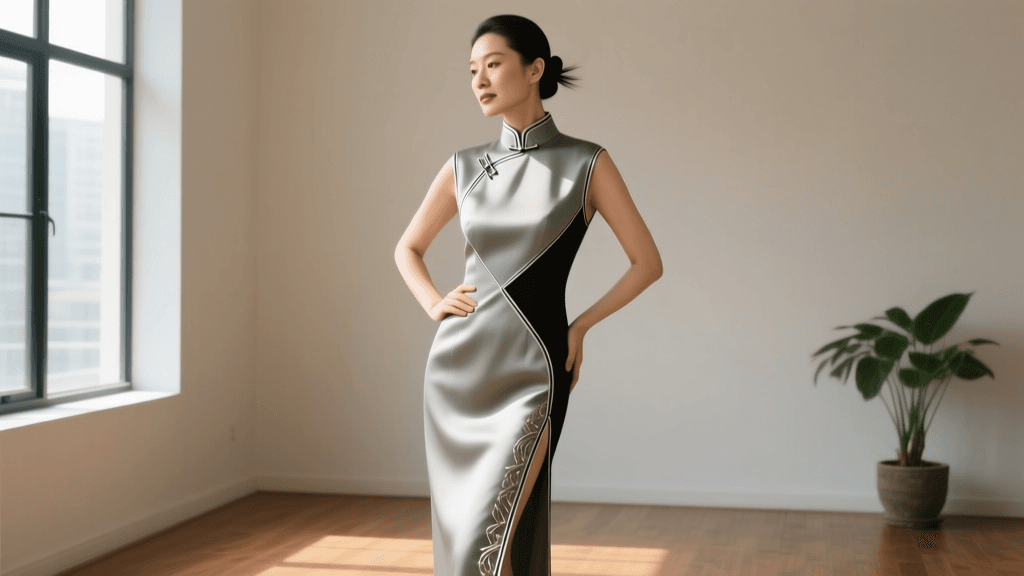
The traditional qipao, often synonymous with the glamorous, form-fitting silk dresses of 1930s Shanghai, has undergone a radical transformation in the 21st century. Today, the 'neo-qipao' (改良旗袍 or daily cheongsam) represents one of the most exciting intersections of Asian heritage and contemporary global streetwear. Driven by the 'Guochao' (national trend) movement, young designers and consumers are dismantling the rigid rules of traditional tailoring to create a garment that is as comfortable for a subway commute as it is for a gallery opening. According to BBC Culture, the cheongsam has always been a symbol of modernity and female liberation, and its current iteration continues this legacy by adapting to the practical demands of modern, active lifestyles.
Unlike its historical counterpart, which was often reserved for formal events, weddings, or diplomatic functions, the neo-qipao is designed for daily wear. It incorporates elements of Western streetwear, tech-wear, and minimalist office fashion, making it a versatile staple in the modern wardrobe. This guide will provide actionable advice on sourcing, tailoring, and styling the modern cheongsam, ensuring you can integrate this iconic Asian garment into your everyday rotation.
Traditional vs. Neo-Qipao: A Structural Comparison
To understand fusion fashion, one must first understand the baseline of traditional tailoring. The classic qipao is defined by its high Mandarin collar, form-fitting silhouette, asymmetric chest closures (often using handmade pankou knots), and high side slits. The neo-qipao selectively alters these features to prioritize comfort, mobility, and modern aesthetics.
| Feature | Traditional Qipao (1930s-1950s) | Neo-Qipao (Modern Fusion) |
|---|---|---|
| Collar Height | 4 cm to 7 cm (stiff, restricts neck movement) | 1.5 cm to 3 cm, or entirely collarless |
| Silhouette & Fit | Zero or negative ease, highly form-fitting | A-line, shift, or relaxed fit with positive ease |
| Closures | Handmade silk pankou knots, side zippers | Metal zippers, snap buttons, velcro, or faux knots |
| Slits | High slits (often above the knee) for mobility | Lower slits, back slits, or no slits (pleated hems) |
| Fabrics | Silk brocade, satin, velvet, lace | Denim, linen, corduroy, tech-nylon, cotton blends |
Actionable Tailoring: How to Order a Custom Neo-Qipao
If you are commissioning a custom neo-qipao from a tailor (whether locally in cities like Shanghai and Hong Kong, or via overseas made-to-measure services on platforms like Etsy or Taobao), providing standard measurements is not enough. You must explicitly instruct the tailor on 'ease' and structural modifications to achieve a modern fusion look.
Measurement Modifications for Daily Wear
- Bust & Waist Ease: Traditional qipaos are cut with zero ease, meaning the garment's measurements exactly match your body. For a neo-qipao meant for office or streetwear, request 3 cm to 5 cm of positive ease in the bust and waist. This allows for sitting, reaching, and layering over thin turtlenecks without straining the seams.
- Hip Ease & Hemline: To avoid the restrictive 'hobble skirt' effect, request an A-line or shift silhouette. Add 6 cm to 8 cm of ease at the hips. If you prefer a straight cut, ensure the tailor adds hidden pleats or a modest 15 cm slit at the side or back hem to accommodate a full walking stride.
- The Collar Adjustment: A high collar can be stifling in warm weather or uncomfortable for desk work. Request a 'low stand' collar measuring exactly 2 cm in height, angled slightly outward at the front throat to prevent chafing. Alternatively, opt for a 'Yuanling' (round neckline) with a decorative, non-functional pankou knot at the center.
- Shoulder Seams: Traditional qipaos often use a single piece of fabric for the front and back, lacking a shoulder seam, which can cause pulling. Ask your tailor to incorporate a dropped shoulder seam or a standard Western set-in sleeve for better arm mobility.
Fabric Innovations and Cost Breakdown
The most striking element of neo-qipao fusion fashion is the departure from delicate silks. Modern designers utilize rugged, utilitarian, and casual textiles to strip the garment of its 'costume' connotations. As noted by Jing Daily, Gen Z consumers in China are actively seeking out heritage garments reimagined in unconventional, street-ready materials.
Top Fabric Choices for Fusion Cheongsams
- Raw Denim & Washed Denim: Ideal for a rugged, streetwear aesthetic. Denim provides structure without the fragility of silk. Look for 10 oz to 12 oz denim for year-round wear.
- Heavyweight Linen & Cotton Blends: Perfect for summer. A 55% linen / 45% cotton blend offers the breathability of linen with the wrinkle-resistance of cotton, making it ideal for office environments.
- Tech-Wear Nylon: Water-resistant, matte-finish nylon with articulated joints and utility pockets transforms the qipao into a cyberpunk or tech-wear staple.
- Corduroy: Wide-wale corduroy adds a vintage, academic texture that pairs beautifully with autumn layering.
Sourcing and Cost Expectations
When budgeting for a neo-qipao, prices vary wildly based on production methods:
- Off-the-Rack (Fast Fashion / Taobao Boutiques): $40 to $120 USD. Expect standard sizing, polyester-cotton blends, and machine-made faux knots. Great for experimenting with the silhouette.
- Independent Designer Brands (e.g., Ms Min, Shushu/Tong): $250 to $600 USD. These pieces feature high-end fabrics, unique structural deconstructions, and premium hardware.
- Bespoke / Made-to-Measure: $300 to $800+ USD. Working with a master tailor ensures perfect ease adjustments, hand-finished seams, and custom fabric sourcing.
Styling the Neo-Qipao: Streetwear and Office Fusion
The true test of fusion fashion lies in styling. The goal is to create visual tension between the historical elegance of the qipao and the utilitarian reality of modern clothing.
Streetwear & Casual Weekend Styling
For a casual, urban look, pair a midi-length denim or canvas neo-qipao with chunky footwear. Sneakers like the New Balance 990 series or Nike Air Force 1s ground the outfit, contrasting the delicate neckline with sporty bulk. Layering is key: wear a fitted, ribbed long-sleeve turtleneck underneath a sleeveless or short-sleeved neo-qipao during cooler months. Accessorize with a crossbody canvas bag or a minimalist nylon belt bag worn across the chest to break up the traditional silhouette. According to Sixth Tone, this blending of historical motifs with global streetwear staples is a hallmark of the contemporary Asian fashion renaissance.
Smart Casual & Office Wear
To adapt the neo-qipao for a professional environment, treat it as you would a tailored shift dress or a sleek tunic. A knee-length, A-line neo-qipao in navy or charcoal linen can be layered under an oversized, structured menswear blazer. The contrast between the sharp, padded shoulders of the blazer and the subtle Mandarin collar peeking out creates a powerful, modern power-dressing aesthetic. Pair with low-heeled Chelsea boots or classic loafers. Keep jewelry minimal—opt for geometric silver earrings or a single, thick metallic cuff bracelet rather than traditional jade or pearl accessories, which can push the outfit back into 'formal wear' territory.
The Cultural Impact of Fusion Fashion
The modern adaptation of the qipao is more than a fleeting trend; it is a reclamation of cultural heritage. For decades, the traditional cheongsam was at risk of being relegated to the realm of bridal wear, hotel uniforms, or stereotypical costumes in Western media. The neo-qipao movement, spearheaded by young Asian designers and consumers, rescues the garment from these rigid boxes. By altering the hemlines, lowering the collars, and introducing utilitarian fabrics, a new generation is ensuring that the qipao remains a living, breathing part of daily life rather than a museum artifact.
Whether you are investing in a bespoke linen piece for the office or picking up a mass-produced denim cheongsam for weekend streetwear, the neo-qipao offers a profound way to wear your heritage on your sleeve—comfortably, confidently, and undeniably modern.