Modern Haori Styling 2026: Mix Japanese Silk Jackets With Streetwear
The Renaissance of the Haori in 2026
As the global fashion landscape in 2026 continues to pivot toward sustainable, heritage-driven wardrobes, the integration of traditional Asian garments into everyday wear has reached new heights of sophistication. Among these, the Japanese haori—a traditional hip- or thigh-length jacket worn over a kimono—has emerged as the ultimate transitional layering piece. Unlike the highly structured and restrictive nature of Western tailoring, the haori offers a fluid, boxy silhouette that perfectly complements the relaxed, gender-neutral proportions dominating 2026 streetwear and smart-casual aesthetics. Whether crafted from vintage Rinzu silk or contemporary bio-washed textiles, the haori bridges the gap between centuries-old artisanal craftsmanship and modern urban utility.
According to curators at the Metropolitan Museum of Art's Asian Art Department, the historical function of the haori was primarily to provide warmth and denote social status or family crests (mon). Today, its function has evolved. In 2026, fashion enthusiasts and designers alike are treating the haori as an open-front duster coat, utilizing its sweeping sleeves and straight cut to add dramatic movement to minimalist outfits. This guide will explore actionable, highly specific methods for weaving authentic silk haori jackets into your contemporary rotation, ensuring cultural appreciation while mastering modern proportions.
The Architecture of the Haori: Why It Works in 2026
To successfully mix traditional Asian pieces with modern wardrobes, one must first understand the structural anatomy of the garment. The haori is constructed from straight bolts of fabric, resulting in a T-shaped silhouette with no shoulder seams in the Western sense. The sleeves are attached with a distinct drop-shoulder effect, and the underarm area features open vents known as aki. These vents are not merely decorative; they were originally designed to allow the wearer to adjust the underlying kimono without removing the outer layer.
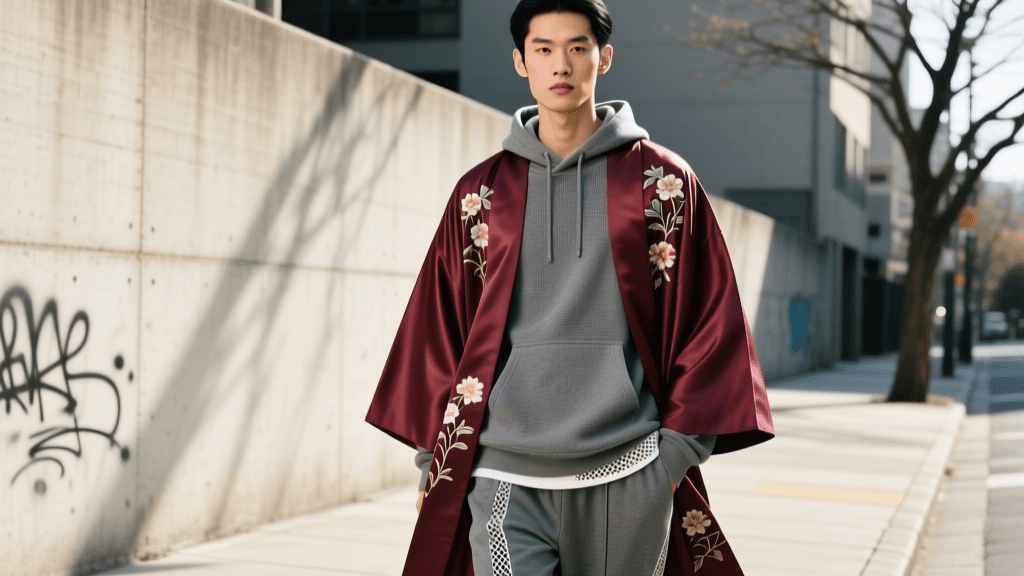
In the context of 2026 streetwear, these aki vents are a stylistic goldmine. They allow for unparalleled breathability when layered over bulky modern garments, such as oversized hoodies or modular techwear vests. Furthermore, the lack of a structured shoulder seam means the haori drapes naturally over the wearer's frame, creating an effortless, avant-garde profile that aligns perfectly with the deconstructed fashion trends popularized by contemporary Japanese designers. When styling, it is crucial to let the haori remain open. The garment is traditionally secured with a haori himo (a braided cord), but in modern streetwear, leaving it unfastened creates a dynamic, flowing silhouette that interacts beautifully with the wind and the wearer's movement.
2026 Streetwear Formulas: Heritage Meets Techwear
The most compelling way to style a vintage silk haori in 2026 is through high-contrast juxtaposition. Pairing the delicate, intricate patterns of a vintage silk jacket with the rugged, synthetic materials of modern techwear creates a visual tension that is both striking and deeply personal. Here are three specific outfit formulas dominating the streets of Tokyo, Seoul, and New York this year:
Formula 1: The Urban Commuter
- Outer Layer: Mid-thigh length vintage silk haori featuring a subtle geometric kasuri (ikat) pattern.
- Base Layer: A form-fitting, moisture-wicking merino wool turtleneck in charcoal or slate.
- Bottoms: Wide-leg, water-resistant cargo trousers with articulated knees (e.g., Arc'teryx Veilance or similar modular techwear brands).
- Footwear: Chunky, trail-inspired sneakers like the Salomon XT-6, providing a grounded, utilitarian base to the flowing silk above.
Formula 2: The Minimalist Archivist
- Outer Layer: A solid black or deep indigo Tsumugi (pongee silk) haori, chosen for its matte, textured finish rather than glossy shine.
- Base Layer: An oversized, heavyweight cotton tee in stark white.
- Bottoms: Pleated, wide-leg wool trousers that pool slightly at the ankle, echoing the drape of traditional hakama.
- Footwear: Polished leather derby shoes with a thick rubber lug sole, blending formal heritage with modern grit.
Formula 3: The Summer Festival Layer
- Outer Layer: A sheer, lightweight ro (gauze weave) or sha silk haori, traditionally worn in summer.
- Base Layer: A relaxed-fit linen camp-collar shirt and matching linen shorts.
- Bottoms: Tailored linen shorts hitting just above the knee.
- Footwear: Modern leather sandals worn with textured, split-toe socks (tabi), directly referencing traditional Japanese footwear but updated for 2026 urban environments.
Smart-Casual Office Integration: The New Power Layer
The hybrid work models of 2026 have permanently altered office dress codes, allowing for greater individual expression. The haori is uniquely positioned to replace the traditional blazer in creative and tech-forward workspaces. When integrating a haori into smart-casual office wear, the key is to focus on subdued color palettes and impeccable fabric condition. A vintage haori with a dark, unlined interior and a subtle crest (mon) on the back projects authority and cultural depth.
Pair the haori with a crisp, modern poplin button-down shirt, leaving the top button undone. Instead of a traditional silk haori himo cord, which can sometimes look overly costumey in a corporate setting, many contemporary stylists in 2026 are utilizing minimalist, matte-black leather toggles or simply allowing the jacket to hang open over a high-quality knit polo. The straight cut of the haori provides a structured frame for the torso without the restrictive armholes of a Western suit jacket, making it incredibly comfortable for long hours at a desk or during creative brainstorming sessions.
2026 Haori Outfit Matrix
To help you visualize these combinations, refer to the following styling matrix tailored for the current year's trends:
| Occasion | Haori Fabric / Type | Modern Base Layer | Bottoms | Footwear |
|---|---|---|---|---|
| Streetwear / Weekend | Vintage Patterned Silk | Oversized Graphic Hoodie | Baggy Denim / Cargos | Chunky Sneakers |
| Smart-Casual Office | Matte Tsumugi Silk | Merino Turtleneck | Tailored Wide-Leg Wool | Lug-Sole Derbies |
| Evening / Gallery Event | Dark Rinzu (Figured Silk) | Silk Camisole / Crisp Tee | Pleated Midi Skirt | Minimalist Leather Boots |
| Summer / Resort | Sheer Ro (Gauze Weave) | Linen Camp-Collar Shirt | Linen Shorts | Leather Sandals + Tabi |
Sourcing Authentic Pieces in the 2026 Market
As the demand for authentic, vintage Asian garments has surged, the market has become saturated with mass-produced, synthetic imitations. To ensure you are purchasing genuine heritage pieces, it is vital to source from reputable dealers. In 2026, specialized online archives and direct-from-Kyoto exporters remain the best avenues for acquiring authentic silk haori. When shopping online, always request detailed photographs of the fabric weave, the interior lining, and the sleeve attachments. Authentic vintage silk will exhibit a natural slub and a distinct, organic luster that synthetic polyesters cannot replicate. For those interested in the historical context and preservation of these textiles, the Smithsonian's National Museum of Asian Art offers extensive digital archives and educational resources that can help train your eye to identify genuine period weaves and dyeing techniques, such as yuzen and shibori.
Eco-Conscious Silk Care and Maintenance
Maintaining vintage silk requires a departure from the harsh chemical dry-cleaning methods of the past. In 2026, eco-conscious garment care is the standard. To preserve the structural integrity and natural proteins of a silk haori, avoid traditional perc-based dry cleaning, which can strip the fabric of its natural oils and cause the vibrant dyes to fade over time.
Instead, adopt a regimen of regular airing and spot cleaning. After wearing your haori, hang it on a wide, padded wooden hanger in a well-ventilated, shaded area to allow any moisture or odors to dissipate. Never expose vintage silk to direct sunlight, as UV rays will rapidly degrade the fibers and bleach the intricate patterns. For minor stains, utilize a pH-neutral, plant-based silk detergent applied with a microfiber cloth, dabbing gently rather than rubbing. For comprehensive seasonal cleaning, seek out specialized wet-cleaning services that utilize biodegradable solvents and computerized climate-control washing techniques designed specifically for heritage textiles. Proper storage is equally critical; wrap your haori in unbleached, acid-free cotton muslin and store it in a cedar drawer to naturally repel moths without the use of toxic mothballs.
Conclusion: Honoring the Craft
Mixing traditional Asian pieces with modern wardrobes is not merely a trend; it is an ongoing dialogue between past and present. By integrating the haori into your 2026 streetwear and office rotations, you are participating in the living history of Japanese textile arts. The key to successful styling lies in understanding the garment's original architecture and respecting its cultural origins while confidently adapting its silhouette to your personal, contemporary narrative. As experts at the Victoria and Albert Museum's Asian Collections frequently highlight, the true beauty of traditional dress lies in its ability to transcend its original era, finding new life and relevance in the hands of those who wear it with knowledge, respect, and modern flair.