Xin Zhongshi 2026: Build Your New Chinese Style Capsule Wardrobe
The Evolution of Xin Zhongshi in 2026
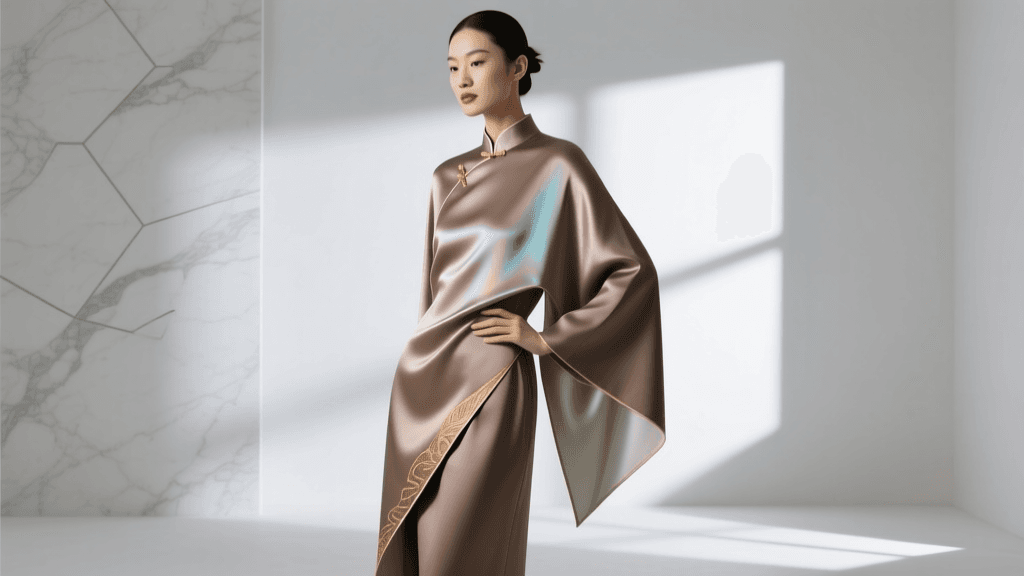
The sartorial landscape of 2026 has been undeniably shaped by the maturation of Xin Zhongshi (新中式), or the New Chinese Style movement. What began as a niche aesthetic appreciation has evolved into a dominant, sophisticated global fashion force. Unlike the earlier Hanfu movement, which focused heavily on the strict historical replication of traditional garments, Xin Zhongshi is defined by its fluid integration of heritage elements into contemporary, everyday silhouettes. It is not about wearing a costume; it is about weaving cultural memory into the fabric of modern life.
As we navigate the Spring/Summer and Autumn/Winter 2026 seasons, the New Chinese Style aesthetic has moved beyond the runway and firmly into the professional and casual wardrobes of style-conscious individuals worldwide. The focus this year is on subtlety, sustainable heritage textiles, and modular capsule wardrobes that bridge the gap between Eastern philosophy and Western tailoring.
The Core Philosophy: Deconstruction and the 'Middle Way'
The guiding principle of Xin Zhongshi in 2026 is the 'Middle Way' (中庸) — a harmonious balance between the ancient and the avant-garde. Designers are increasingly deconstructing traditional motifs. The rigid, high-collared Mandarin collar of the 1920s Qipao has been softened into open, asymmetrical necklines that allow for layering. Traditional pankou (frog buttons) are no longer just functional fasteners; they are being reimagined as sculptural hardware, crafted from matte ceramics, recycled brass, and even 3D-printed bio-resins.
This philosophy extends to the drape and cut. Where traditional Chinese garments often favored flat, two-dimensional pattern cutting that hid the body's contours, 2026's Xin Zhongshi embraces a hybrid approach. Garments feature the flowing, forgiving drape of Eastern robes but are anchored by subtle Western darts and structured shoulders, creating a silhouette that is both commanding and effortlessly relaxed.
Heritage Textiles: Xiangyunsha and Song Brocade
The true luxury of the New Chinese Style lies in its textiles. In 2026, there is a massive consumer pivot toward traceable, sustainably produced heritage fabrics. Two textiles, in particular, have dominated the market this year.
Xiangyunsha (Gambiered Canton Gauze)
Often referred to as 'soft gold,' Xiangyunsha is a meticulously crafted silk dyed with the juice of the Dioscorea cirrhosa tuber and coated in iron-rich river mud. The result is a fabric that is cool to the touch, naturally antibacterial, and possesses a distinct, leathery rustle. In 2026, eco-conscious ateliers in Guangdong have modernized the mud-dyeing process, reducing water waste by 40% while maintaining the fabric's iconic dual-tone finish—deep obsidian on one side and rich terracotta on the other.
Song Brocade (Song Jin)
Historically reserved for imperial garments and scroll mounting, Song Brocade is celebrated for its intricate, understated geometric and floral patterns. The 2026 iterations of Song Brocade are significantly lighter, woven with ultra-fine mulberry silk threads blended with Tencel to improve breathability and drape, making it suitable for year-round wear in varied climates.
The preservation and innovation of these techniques are deeply tied to broader cultural heritage initiatives, such as those recognized by UNESCO's Intangible Cultural Heritage listings for Chinese sericulture and silk craftsmanship, which continue to inspire modern textile engineers and fashion houses alike.
The 2026 Xin Zhongshi Capsule Wardrobe
Building a functional New Chinese Style wardrobe requires selecting versatile pieces that can transition from the boardroom to an evening gallery opening. Below is a curated blueprint for a 2026 Xin Zhongshi capsule wardrobe, complete with current market pricing and styling notes.
| Garment Type | Traditional Element | 2026 Modern Adaptation | Est. Price Range (USD) |
|---|---|---|---|
| Deconstructed Qipao Blazer | Mandarin collar, side-slits | Single-breasted, dropped shoulders, wool-silk blend | $350 - $600 |
| Xiangyunsha Wide-Leg Trousers | Gambiered silk texture | High-waisted, pleated front, hidden elastic waistband | $280 - $450 |
| Pankou-Button Silk Camisole | Hand-knotted frog buttons | Cowl neck, adjustable spaghetti straps, matte silk crepe | $120 - $200 |
| Song Brocade Midi Skirt | Jacquard woven motifs | A-line cut, Tencel blend, deep side pockets | $220 - $380 |
| Bamboo-Embroidered Trench Coat | Suzhou embroidery (Su Xiu) | Minimalist belted trench, subtle tonal embroidery on cuffs | $500 - $850 |
Styling New Chinese Style for the Modern Workspace
One of the most common challenges for enthusiasts is integrating Xin Zhongshi into a professional environment without appearing overly theatrical. The key for 2026 is monochromatic layering and textural contrast.
- The Power Suit Alternative: Pair the Deconstructed Qipao Blazer in ink-black wool with tailored, wide-leg Xiangyunsha trousers. The slight sheen of the mud-dyed silk contrasts beautifully with the matte wool, creating a look of quiet luxury that commands respect in any corporate setting.
- Color Palettes: Move away from the bright reds and golds of festive wear. The 2026 palette is rooted in nature and antiquity: celadon green, Ru kiln blue, cinnabar, and slate grey. These muted tones are inherently professional and highly versatile.
- Footwear and Accessories: Ground your heritage pieces with modern minimalism. A pair of sleek, square-toed leather loafers or architectural leather boots works perfectly. For jewelry, opt for raw, unpolished Hetian jade pendants set in matte silver, or simple bamboo-joint inspired gold cuffs.
Care and Maintenance of Modern Heritage Textiles
Investing in Xin Zhongshi means investing in living textiles that require specific care protocols to maintain their structural integrity and natural dyes.
Caring for Xiangyunsha
Because Xiangyunsha is coated in river mud and plant dyes, it is highly sensitive to alkaline substances. Never use standard laundry detergents. In 2026, specialized pH-neutral silk washes are widely available and strictly required. Hand wash in cold water (below 30°C) and avoid wringing the fabric. Instead, roll the garment in a clean, dry towel to press out excess moisture, then hang it to dry in a shaded, well-ventilated area. Direct sunlight will cause the terracotta undertones to fade prematurely.
Storing Song Brocade and Embroidered Pieces
Song Brocade and pieces featuring Su Xiu (Suzhou embroidery) should never be hung on wire or thin plastic hangers, as the weight of the dense weave will distort the shoulders and pull the embroidery threads. Use padded, wide-shouldered hangers. For long-term storage between seasons, wrap the garments in unbleached, acid-free cotton muslin. Avoid plastic garment bags, which trap humidity and can lead to the degradation of the natural silk proteins.
Conclusion: Wearing Your Heritage
The Xin Zhongshi movement of 2026 is a testament to the enduring relevance of Asian traditions in a rapidly modernizing world. By thoughtfully curating a capsule wardrobe that respects the origins of heritage textiles while embracing contemporary tailoring, you are not merely following a trend. You are participating in a continuous, evolving dialogue between the past and the future. Whether you are draping yourself in the cool, rustling folds of Xiangyunsha or fastening a modern ceramic pankou button, the New Chinese Style offers a profound way to wear your culture with pride, elegance, and modern utility.