2026 Hanfu Guide: Dressing for Birth, Wedding & Ancestral Rites
The Evolution of Hanfu in Modern Family Milestones
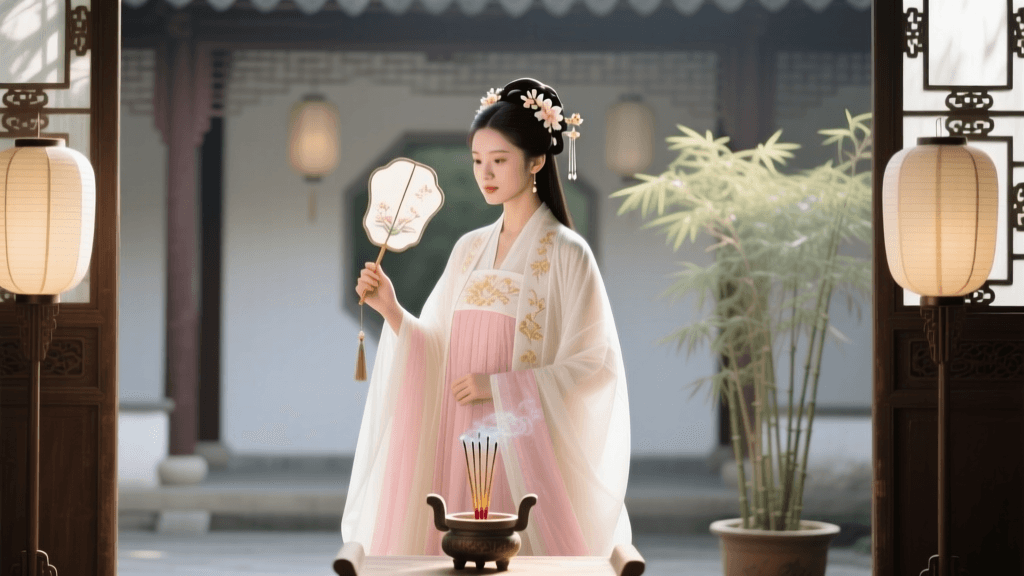
As we navigate through 2026, the Hanfu movement has transcended its origins as a niche historical subculture to become a deeply integrated aspect of major Chinese family milestones. No longer confined to street fashion or tourism photography, traditional Han garments are now the sartorial standard for families seeking to honor their lineage during life’s most critical transitions. From the joyous celebrations of a child’s first birthday to the solemnity of ancestral memorials, selecting the correct Hanfu requires an understanding of historical etiquette, fabric symbolism, and modern tailoring advancements.
According to cultural historians and industry reports, the demand for ceremonial Hanfu has surged, with families increasingly viewing these garments as generational heirlooms rather than single-use rentals. As noted by Smithsonian Magazine, the revival of traditional clothing is deeply tied to a broader cultural renaissance, where younger generations are reclaiming historical rituals to forge a distinct cultural identity in a globalized world. This guide provides a comprehensive, actionable breakdown of how to dress for birth ceremonies, weddings, and ancestral rites in 2026.
Birth and Early Childhood Ceremonies: Zhuazhou and Sanzhao
The arrival of a child and their subsequent first-year milestones are marked by profound ceremonial weight in traditional Chinese culture. The Sanzhao (third-day bathing ceremony) and Zhuazhou (first birthday grasp ceremony) are pivotal moments where the entire extended family gathers to bestow blessings upon the infant.
Attire for the Parents
For parents hosting these intimate yet formal family gatherings, comfort and elegance must be balanced. In 2026, the preferred style for mothers is the Song Dynasty Beizi (a long, parallel-collar overcoat) paired with a pleated Baidi Qun (hundred-pleat skirt). The Beizi allows for ease of movement—essential when holding an infant—while maintaining a refined, scholarly silhouette. Fathers typically opt for a Ming Dynasty Daopao (a wide-sleeved, side-slit robe) in muted, auspicious tones like celadon or ivory, which photographs beautifully in natural daylight without overshadowing the child.
Infant Garments and Safety Standards
Infant Hanfu in 2026 has seen massive innovations in textile safety. While historical infants wore raw silk and heavily embroidered Dudou (bellybands), modern parents prioritize organic, hypoallergenic materials. Look for GOTS-certified organic mulberry silk blends and bamboo-linen weaves. The traditional tiger-head hat (Hutoumao), meant to ward off evil spirits, remains a staple for Zhuazhou, but contemporary artisans now use lightweight, breathable cotton-thread embroidery instead of heavy metallic threads that could irritate a baby’s skin.
Traditional Hanfu Weddings: The Hunyin Li
The traditional Chinese wedding, or Hunyin Li, is a profound union of two families rather than just two individuals. While the Qing-influenced Xiuhe suit dominated the early 2010s, 2026 has seen a definitive shift toward historically accurate Han dynasty and Ming dynasty wedding attire, driven by couples who have researched ancient rites documented in the Book of Rites (Liji).
The Main Ceremony: Ming Dynasty Aoqun
For the primary tea ceremony and ancestral greeting, the Ming Dynasty Aoqun (jacket and skirt combination) is the undisputed gold standard. Brides often wear a heavily embroidered Pifeng (cape) over a high-collared Ao, paired with a Mamianqun (horse-face skirt). The most formal iteration includes the Fengguan Xiapei (Phoenix Crown and Cloud Shoulders). In 2026, bespoke tailors utilize 3D body scanning to ensure the heavy, multi-layered silk garments distribute weight evenly across the bride’s shoulders, preventing the fatigue that plagued earlier reproductions.
The color palette for traditional Han weddings leans heavily into deep crimsons, navy blues, and emerald greens, accented with real gold leaf or Pan Jin (gold-wrapped thread) embroidery. Motifs such as the dragon and phoenix, peonies, and bats (symbolizing good fortune) are meticulously hand-embroidered using Su Xiu (Suzhou embroidery) techniques.
The Banquet: Tang Dynasty Elegance
For the evening reception, many brides transition into a Tang Dynasty-inspired Qixiong Ruqun (chest-high skirt) or a Zitan (large-sleeved gown). These garments are lighter, more vibrant, and allow for the mobility needed to toast guests. The 2026 trend favors sheer, layered organza and lightweight jacquard silks that catch the ballroom lighting, creating an ethereal, floating effect.
Ancestral Rites and Memorial Ceremonies: Jisi
Ancestral worship, or Jisi, requires a starkly different sartorial approach. Whether visiting the family tomb during the Qingming Festival or conducting an indoor ancestral hall memorial during the Lunar New Year, the guiding principles are modesty, solemnity, and respect.
Garment Selection and Color Etiquette
Bright colors, metallic embroidery, and overly dramatic silhouettes are strictly forbidden during Jisi. The most appropriate garment is the Shenyi (a deep, one-piece robe that connects the upper and lower garments, symbolizing the unity of heaven and earth) or a simple Jiaoling Youren (cross-collar, right-lapel top) paired with unadorned trousers or a plain skirt.
Colors must be subdued. Unbleached hemp, raw silk in slate grey, deep indigo, or muted pine green are the standard choices. As highlighted by cultural analysts at Sixth Tone, the modern Hanfu movement places a heavy emphasis on the philosophical underpinnings of the clothing; wearing ostentatious garments to a memorial is viewed as a severe breach of filial piety. The fabric should be matte, avoiding any reflective satin weaves.
2026 Ceremony Comparison and Bespoke Pricing Guide
Planning for these ceremonies requires significant lead time, especially if you are commissioning bespoke pieces. Below is a comparative breakdown of the requirements and current market costs for 2026.
| Ceremony Type | Recommended Hanfu Style | Primary Colors & Motifs | 2026 Bespoke Cost (USD) | Lead Time |
|---|---|---|---|---|
| Birth (Zhuazhou) | Song Beizi (Parents), Organic Dudou (Infant) | Celadon, Ivory, Soft Pastels | $350 - $800 | 4 - 6 Weeks |
| Wedding (Hunyin Li) | Ming Aoqun, Fengguan Xiapei | Crimson, Navy, Gold Motifs | $1,500 - $4,500+ | 4 - 6 Months |
| Ancestral Rites (Jisi) | Shenyi, Plain Jiaoling Youren | Slate, Indigo, Raw Hemp | $200 - $600 | 3 - 5 Weeks |
Sourcing, Tailoring, and Heirloom Preservation
The Hanfu market in 2026 is highly segmented. While mass-produced, factory-made garments are readily available on e-commerce platforms for under $100, family ceremonies demand higher-tier craftsmanship. When sourcing garments for weddings and rites, look for established ateliers that specialize in historical pattern drafting. Many top-tier tailors in Hangzhou and Suzhou now offer virtual consultations, utilizing AI-assisted measurement algorithms derived from smartphone video scans to ensure a perfect fit for international clients.
Preserving Your Ceremonial Hanfu
Because ceremonial Hanfu is often intended to be passed down to the next generation, proper storage is critical. Never hang heavy Ming dynasty Aoqun or Mamianqun on standard hangers, as the weight of the silk and metallic embroidery will distort the warp threads over time. Instead, fold the garments using acid-free tissue paper to cushion the pleats and store them in breathable, unbleached cotton garment bags. Keep the storage environment climate-controlled, maintaining a humidity level between 45% and 55% to prevent the silk proteins from degrading or developing mildew.
By understanding the deep historical context and adhering to modern standards of craftsmanship, families in 2026 can ensure that their Hanfu not only looks visually stunning but also serves as a meaningful, respectful bridge to their ancestral heritage.