The 2026 Hanfu Storage Rotation & Seasonal Care Guide
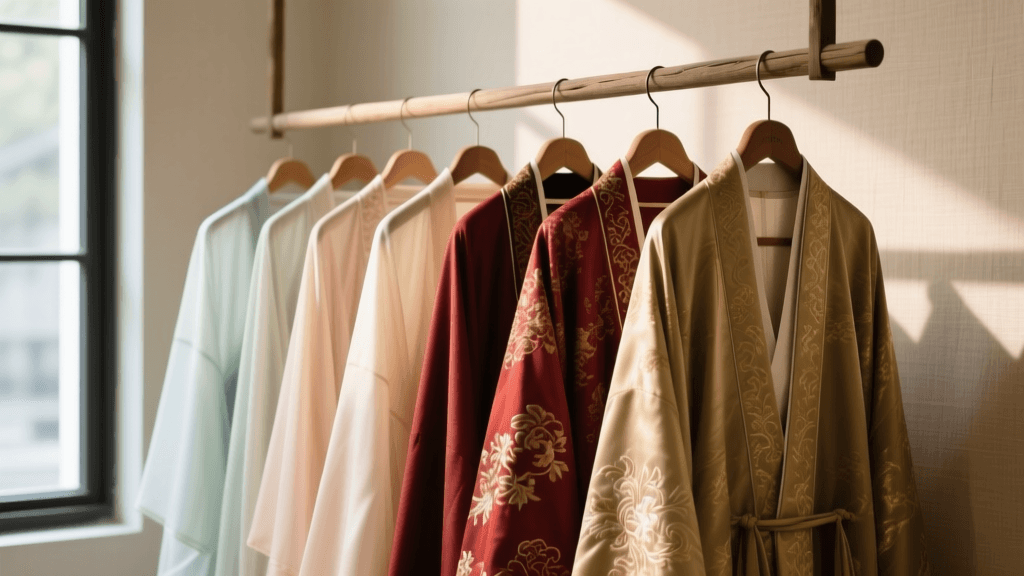
The Evolution of Hanfu Care in 2026
As the Xin Zhongshi (New Chinese Style) movement continues to dominate global fashion weeks and everyday streetwear in 2026, the ownership of authentic, high-quality Hanfu has transitioned from a niche hobby to a mainstream wardrobe staple. Modern enthusiasts are no longer just collecting garments for occasional photoshoots; they are integrating luxury traditional textiles into their daily lives. However, investing in high-end traditional garments—such as heavy Song brocade jackets, delicate mulberry silk Ruqun, and intricately pleated Mamianqun (horse-face skirts)—requires a rigorous, museum-grade approach to garment preservation.
Unlike modern synthetic blends, traditional Asian textiles are crafted from natural protein and cellulose fibers that are highly susceptible to environmental stressors. Improper storage can lead to irreversible damage, including silk shattering, metallic thread oxidation, and permanent pleat deformation. This comprehensive 2026 guide outlines the exact seasonal rotation schedules, cleaning protocols, and archival storage techniques required to protect your valuable Hanfu collection for generations to come.
Understanding Your Hanfu Textiles
Before implementing a storage rotation system, it is crucial to understand the unique material properties of the fabrics commonly used in Hanfu construction. Each textile reacts differently to humidity, light, and physical pressure.
Mulberry Silk (Sang Can Si)
Renowned for its luminous sheen and breathability, mulberry silk is a protein-based fiber. In 2026, advancements in eco-friendly sericulture have produced heavier, more durable silk weaves, but the fiber remains vulnerable to alkaline substances, excessive UV exposure, and high humidity, which can promote mold growth and protein degradation.
Song Brocade (Song Jin)
Song brocade is celebrated for its complex, multi-layered weaving techniques and the incorporation of metallic threads. The primary risk during storage is the oxidation of these metallic elements and the snagging of the raised brocade patterns. According to the National Trust guidelines on historic textile care, textiles with metallic threads must never be folded sharply, as the metal strips can cut through the surrounding silk fibers over time.
Xiangyunsha (Gambiered Canton Gauze)
This prestigious fabric, dyed with yam juice and river mud, possesses a unique, slightly stiff texture and a rich, dark patina. Xiangyunsha requires ample airflow during storage; sealing it in plastic or overly tight archival boxes can cause the mud-dye coating to crack or develop a mildew odor.
The 2026 Seasonal Rotation Matrix
A successful Hanfu wardrobe relies on a systematic seasonal rotation. Moving garments in and out of active circulation prevents fabric fatigue and allows for regular condition checks. Below is the recommended 2026 rotation schedule based on fabric weight and seasonal climate shifts.
| Season | Active Garment Types | Primary Fabrics | Storage Action for Off-Season Items |
|---|---|---|---|
| Spring | Beizi (Jackets), light Ruqun | Chiffon, lightweight silk, linen blends | Inspect winter brocades; air out and store in breathable cotton bags. |
| Summer | Qixiong Ruqun, sleeveless vests | Gauze (Luo), Xiangyunsha, ramie | Deep clean spring silks; store flat with acid-free tissue interleaving. |
| Autumn | Mamianqun, layered Aoqun | Medium-weight silk, jacquard, cotton | Condition check summer gauzes; store rolled to prevent crease damage. |
| Winter | Pifeng (Capes), lined brocade coats | Song Brocade, Zhuanghua, velvet trims | Professional dry clean autumn layers; store in archival boxes with cedar. |
Pre-Storage Cleaning Protocols
Never store a worn Hanfu garment, even if it appears clean. Human skin secretes oils, salts, and acids that will oxidize and attract pests over time. For delicate 2026 Xin Zhongshi pieces that blend traditional silks with modern structural tailoring, professional dry cleaning with a trusted specialist is often the safest route.
For washable silks and ramie blends, hand-washing is mandatory. Use a pH-neutral, enzyme-free detergent specifically formulated for protein fibers. Products like Eucalan Woolwash or the 2026 reformulated Delicate Wash by The Laundress are excellent choices, as they do not strip the natural sericin coating from the silk. Wash in cool water (below 20°C), avoid all wringing or twisting, and dry flat on a mesh rack away from direct sunlight. Never use wire hangers or clothespins, which can leave permanent rust marks or stretch the wet fibers.
Archival Storage & The Mamianqun Roll Technique
The physical manner in which you store your Hanfu is just as critical as the environment. The Canadian Conservation Institute (CCI) Notes on textile storage emphasize the importance of minimizing stress points on historic and delicate fabrics. For Hanfu, this means abandoning standard wire or velvet hangers for long-term storage.
Hanging vs. Flat Storage
While lightweight tops (Shan) can be stored on wide, padded archival hangers, heavy garments like lined brocade coats and multi-layered skirts should never be hung. The weight of the garment will eventually warp the shoulder seams and stretch the silk warp threads. These heavy pieces must be stored flat in acid-free, buffered archival boxes.
The Mamianqun Roll Technique
The Mamianqun (horse-face skirt) is a staple of the modern Hanfu wardrobe, prized for its sharp, knife-pleated structure. Folding a Mamianqun for long-term storage will permanently crush the pleats and create weak points in the silk. Instead, utilize the "Roll Method":
- Lay the skirt completely flat on a clean, cotton-covered surface.
- Align the pleats perfectly, ensuring the front and back panels are symmetrical.
- Place a sheet of unbuffered, acid-free tissue paper over the skirt.
- Using a clean, acid-free cardboard tube (wrapped in washed cotton muslin), gently roll the skirt from the hem upward toward the waistband.
- Store the rolled skirt horizontally in a breathable 100% cotton garment bag or a specialized archival textile box.
This technique preserves the structural integrity of the pleats without applying the intense pressure of a hard fold.
Climate Control & Pest Management
The environment inside your storage closet or archival box must be strictly regulated. Silk and brocade thrive in stable conditions. The ideal storage environment for a Hanfu collection in 2026 is a temperature of 18°C to 20°C (65°F to 68°F) with a Relative Humidity (RH) strictly maintained between 45% and 55%.
Fluctuations in humidity are far more damaging than a slightly imperfect steady state, as they cause the fibers to continuously expand and contract, leading to micro-tears. Invest in a smart climate monitor, such as the SensorPush HT1 or the Temp Stick 2026 Edition, which will send real-time alerts to your smartphone if your storage closet's humidity breaches the safe threshold. If your environment is too humid, utilize silica gel desiccant cassettes designed specifically for textile archives; avoid commercial dehumidifiers that might over-dry the air and cause silk to become brittle.
Natural Pest Deterrents
Silverfish, carpet beetles, and moths are the natural enemies of protein-based fibers. Never use traditional mothballs or chemical pesticides near Hanfu, as the harsh vapors will degrade the silk proteins and leave a toxic, nearly impossible-to-remove odor. Instead, rely on natural, volatile oils. Sustainably harvested cedar blocks and dried lavender sachets are highly effective. However, these natural deterrents must never touch the fabric directly, as the oils can stain the silk. Always wrap cedar blocks in acid-free tissue or place lavender sachets in the corners of the storage box, well away from the garments.
Conclusion
As traditional Chinese clothing continues to evolve and integrate into contemporary global fashion, the responsibility of preserving these cultural artifacts falls to the modern wearer. By adhering to a strict seasonal rotation schedule, utilizing pH-neutral cleaning agents, and employing archival-grade storage techniques like the Mamianqun roll method, you ensure that your Hanfu collection remains as vibrant and structurally sound in 2026 as the day it was woven. Proper maintenance is not just about protecting a financial investment; it is about honoring the centuries-old textile traditions that make these garments so extraordinary.