Kinu-Zure: The Sensory Sound of Silk Kimono Textiles in 2026
The Cultural Resonance of Kinu-Zure
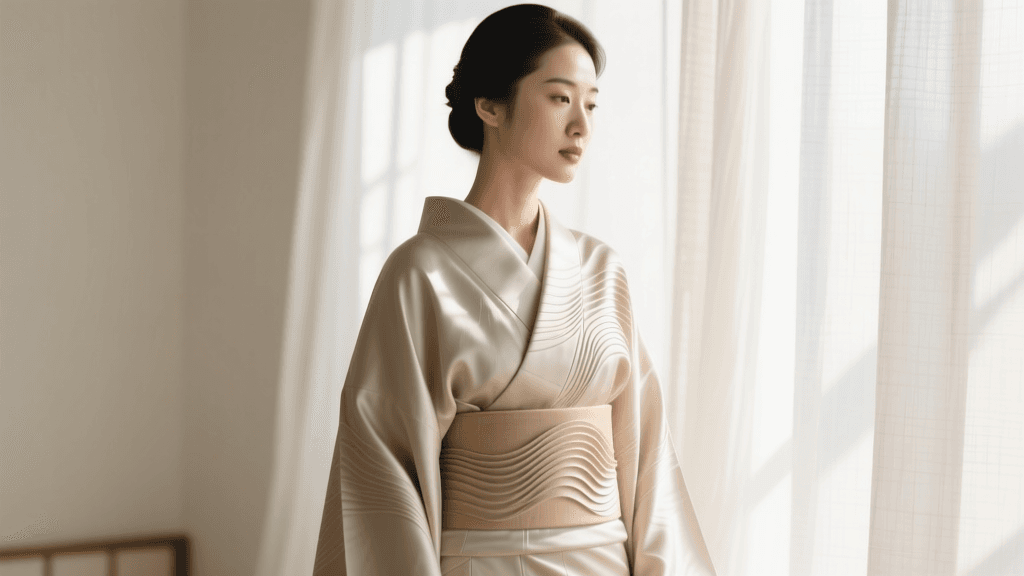
Long before a person wearing a traditional kimono enters a room, their presence is often announced by a distinct, whispering rustle. In Japanese, this auditory phenomenon is known as kinu-zure (衣擦れ), which translates literally to the 'rubbing of silk.' For centuries, this sound has been celebrated in literature, poetry, and theater as an expression of elegance, mystery, and refined movement. In 2026, as the global fashion landscape increasingly embraces 'sensory grounding' to combat digital fatigue, the tactile and acoustic properties of heritage textiles have never been more relevant or highly sought after.
Wearing a kimono is not merely a visual experience; it is a deeply immersive, multi-sensory engagement. The weight of the fabric, the coolness of the silk against the skin, and the rhythmic friction of layered garments moving in unison create a private, wearable soundscape. Understanding the nuances of kinu-zure allows modern enthusiasts, collectors, and designers to appreciate the kimono not just as a garment, but as an acoustic instrument crafted from natural fibers.
Auditory and Tactile Profiles of Heritage Textiles
The sound and feel of a kimono are dictated by its weave, the twist of the yarn, and the presence of sericin (the natural gum coating silk threads). Different textiles produce vastly different sensory feedback. Below is a comprehensive guide to the acoustic and tactile profiles of the most prominent kimono fabrics worn today.
| Textile Type | Weave Structure | Tactile Sensation | Auditory Profile (Kinu-zure) | Ideal Season |
|---|---|---|---|---|
| Tango Chirimen | Crepe (High Twist) | Pebbled, High Friction, Substantial | Loud, Crisp, Rhythmic Rustle | Autumn / Winter |
| Habutae | Plain Weave | Smooth, Fluid, Cool to the Touch | Soft, Whispering, Continuous Glide | Spring / Autumn |
| Tsumugi | Pongee (Slubbed Yarn) | Nubby, Earthy, Crisp, Textured | Muted, Dry, Papery Brush | All Seasons |
| Ro / Sha | Leno / Gauze | Airy, Crisp, Lightweight, Cool | Faint, Delicate Crinkle | Summer |
Tango Chirimen: The Crisp Rustle of Crepe
Originating from the Tango region in Kyoto, chirimen is created by weaving silk threads that have been twisted tightly in alternating directions. When the fabric is washed and the sericin is removed, the untwisting tension creates a micro-pebbled surface. Tactilely, it feels rich and slightly grippy. Acoustically, it produces the most famous and pronounced kinu-zure. The high surface friction means that every step generates a crisp, rhythmic rustling that commands attention. According to regional heritage archives documented by local weaving cooperatives, the precise tension of the twist is still calibrated by master artisans to ensure the acoustic 'signature' of the fabric remains intact.
Habutae: The Whispering Glide
Habutae is a plain-weave silk that uses untwisted or lightly twisted threads, resulting in a remarkably smooth, lustrous surface. Tactilely, it feels like liquid against the skin, often used for the nagajuban (under-kimono) or high-end linings. Because the surface friction is incredibly low, habutae does not rustle; instead, it produces a soft, continuous whispering sound as the layers glide over one another. It is the acoustic equivalent of a gentle breeze.
Tsumugi: The Earthy Brush
Woven from spun silk noil rather than continuous filament silk, tsumugi has a matte finish and a slubbed, uneven texture. It feels nubby, dry, and remarkably grounded. The sound of tsumugi is less about a 'silky rustle' and more about a muted, earthy brush. It is highly favored in 2026 by those who practice Zen-inspired minimalism, as its sensory feedback is subtle, understated, and deeply connected to nature.
Ro and Sha: The Summer Crinkle
Summer silks like ro and sha are woven with intentional gaps in the fabric to allow for airflow. The leno weave structure gives the fabric a surprising crispness despite its sheerness. Tactilely, it feels cool and slightly stiff, holding its shape away from the body to promote cooling. Acoustically, it produces a faint, papery crinkle—a delicate sound that evokes the feeling of dry leaves or cicada wings in the height of summer.
The Science of Silk Acoustics in 2026
Recent 2026 material studies on heritage textiles have shed light on the exact physics behind kinu-zure. The sound is generated by stick-slip friction. As the wearer walks, the layered garments catch on one another (stick) and then release (slip), creating micro-vibrations that travel through the air as sound waves. The amplitude and frequency of these waves depend entirely on the yarn's surface topology.
'The kimono is not merely seen; it is heard and felt. The acoustic feedback of the silk serves as a metronome for the wearer's movements, encouraging a deliberate, mindful pace that is central to the traditional Japanese aesthetic of grace.' — Curatorial notes from historical textile exhibitions.
As highlighted by the Metropolitan Museum of Art's Heilbrunn Timeline of Art History, the structural evolution of the kimono from the kosode of the Edo period to the modern garment has always been intrinsically linked to the physical properties of the silk used. The way a fabric drapes, folds, and moves is entirely dependent on its weave, which in turn dictates its acoustic profile.
Preserving the Sensory Experience: 2026 Care Guidelines
Maintaining the tactile and auditory qualities of silk requires specific, mindful care. Modern conveniences can easily destroy the delicate sericin and yarn tension required for kinu-zure. To preserve the sensory experience of your garments, follow these actionable guidelines:
- Never use synthetic fabric softeners: Softeners coat the fibers in a microscopic layer of silicone or lipids. This drastically reduces surface friction, effectively 'muting' the silk and killing the kinu-zure sound. It also ruins the crisp drape of summer gauzes.
- Opt for pH-neutral, eco-friendly silk washes: In 2026, several specialized botanical detergents have been formulated specifically to clean silk without stripping its natural amino acids. Look for washes that explicitly state they preserve fiber topology.
- Store in acid-free washi paper: Never store silk in plastic bags, which trap moisture and cause the fibers to become limp and acoustically dead. Wrap your kimono in traditional tatou-shi (acid-free Japanese paper) inside a paulownia wood box (kiribako). The wood naturally regulates humidity, keeping the silk crisp and resonant.
- Avoid aggressive steam ironing: While steam removes wrinkles, excessive heat and moisture can flatten the pebbled texture of chirimen crepe. Use a low-heat, dry-press method with a cotton cloth barrier to maintain the fabric's three-dimensional surface structure.
Styling and Layering for Maximum Sensory Impact
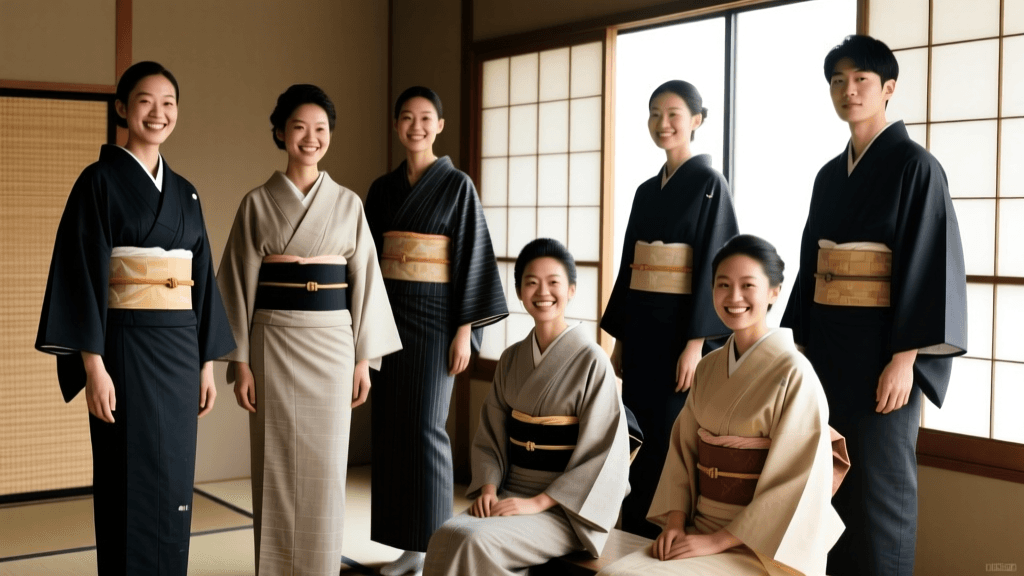
The acoustic magic of the kimono relies heavily on layering and tension. A single layer of silk will not produce kinu-zure; it is the interaction between multiple layers that creates the sound. The traditional layering system includes the hadajuban (skin garment), the nagajuban (under-kimono), the main kimono, and the obi ensemble.
To maximize the sensory experience, pay close attention to the koshihimo (tying cords). The tension applied by these cords dictates how tightly the outer kimono hugs the under-layers. A firmer tie creates more surface contact and friction between the silk layers, resulting in a louder, more pronounced rustle with every step. Furthermore, the choice of the obi (sash) plays a crucial role. A stiff, heavily brocaded fukuro obi creates a structural anchor, forcing the softer silk of the kimono to pivot and rub against it at the hips, amplifying the acoustic feedback.
As explored in depth by the Victoria and Albert Museum's comprehensive research on Kimono styling, the evolution of the obi and the underlying structural ties has transformed the silhouette of the garment, inadvertently altering the acoustic dynamics of how the textiles interact during movement. In 2026, stylists focused on sensory fashion are deliberately pairing high-friction crepe outer layers with smooth habutae under-layers to create a complex, multi-tonal rustle that is both deeply traditional and profoundly grounding.
Conclusion
The kimono is a masterclass in multi-sensory design. While the visual beauty of its dyed patterns and woven motifs often captures the immediate attention of the world, the true magic lies in the intimate, tactile, and auditory experience of wearing it. Kinu-zure is more than just the sound of fabric; it is the sound of heritage, mindfulness, and a deep respect for natural materials. By understanding the unique acoustic profiles of textiles like chirimen, habutae, and tsumugi, and by caring for them with modern, mindful techniques, we ensure that the whispering rustle of silk continues to resonate through the corridors of 2026 and beyond.