Modern Hanbok Styling 2026: Pairing the Jeogori with Everyday Wear
The Renaissance of the Saenghwal Hanbok in 2026
The global fashion landscape in 2026 is defined by a conscious shift toward heritage garments, sustainable textiles, and cross-cultural integration. As the 'quiet luxury' trend evolves into what industry insiders now call 'heritage minimalism,' traditional Asian garments are no longer relegated to ceremonial occasions or museum archives. Among the most versatile and striking pieces leading this charge is the modern saenghwal hanbok (everyday hanbok), specifically the jeogori (traditional jacket). By blending centuries-old Korean tailoring with contemporary Western silhouettes, fashion-forward individuals are creating a hybrid wardrobe that honors cultural lineage while remaining entirely functional for modern urban life.
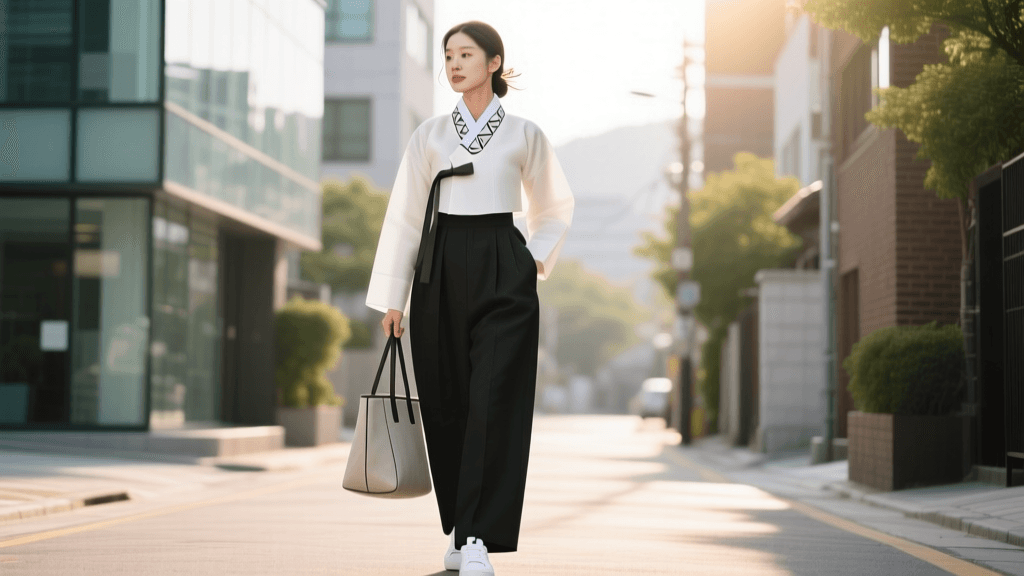
Unlike the heavily structured, voluminous ceremonial hanbok worn at weddings or major holidays, the 2026 iteration of the everyday jeogori is an exercise in refined restraint. Designers have re-engineered the garment to accommodate modern movement, digital lifestyles, and the demands of a fast-paced urban environment, all while retaining the iconic curved lines and elegant color blocking that define Korean aesthetics. Whether you are navigating the streets of Seoul, commuting in London, or attending a creative meeting in New York, integrating a modern jeogori into your daily rotation offers a masterclass in proportion, texture, and cultural appreciation.
Anatomy of the Modern Jeogori: What Has Changed?
To successfully mix traditional pieces with modern wardrobes, one must first understand the structural evolution of the garment. The historical jeogori was characterized by its short length, wide sleeves, and the prominent goreum (the long, flowing chest tie). According to the Encyclopedia of Korean Culture, the traditional silhouette was designed to emphasize a harmonious relationship with nature, allowing for ample airflow and unrestricted movement during agrarian and courtly life.
However, the 2026 modern jeogori has undergone precise, calculated modifications to suit contemporary layering and office environments:
- Sleeve Width and Cuffing: Traditional sleeves (baerae) could measure up to 40 centimeters across, creating a dramatic curve. Modern everyday versions reduce this to an 18-to-22-centimeter width, allowing the wearer to type on a keyboard or commute without the fabric catching on objects.
- The Dongjeong (White Collar): The crisp, detachable white paper collar has been replaced by a permanent, reinforced cotton-pique band that maintains its stiffness through machine washing while providing a sharp contrast against the jacket's primary color.
- Hidden Fastenings: While the decorative goreum remains a visual staple, modern designs often include hidden internal snap buttons or magnetic closures, ensuring the jacket stays securely in place during windy commutes without requiring the wearer to constantly re-tie the traditional knot.
- Pocket Integration: Historical garments relied on separate pouches tied to the goreum. The 2026 saenghwal hanbok discreetly integrates side-seam pockets, reinforced with silk binding to prevent tearing when holding modern essentials like smartphones and transit cards.
Streetwear Integration: Denim, Proportions, and Footwear
Mixing a heritage piece with casual streetwear requires a careful balancing of proportions. The jeogori is inherently cropped, typically ending just below the bust or at the natural waistline. This high-waist visual termination point is the key to unlocking modern streetwear styling.
The Formula for Casual Proportions
For a cohesive 2026 streetwear look, pair a structured, mid-weight cotton jeogori with high-waisted, wide-leg denim. The ideal jean should feature a 32-inch inseam with a slight break over the shoe, and a leg opening of approximately 20 to 22 inches. This wide, vertical drape counterbalances the short, horizontal line of the jeogori, creating an elongated silhouette that avoids looking costumey.
Layering: Underneath the jeogori, wear a heavyweight, 250 GSM ribbed cotton turtleneck or a simple, boxy white crewneck t-shirt. The white tee should be slightly cropped so it does not extend past the hem of the jacket, maintaining the clean waistline. The Korea Tourism Organization frequently highlights how contemporary Seoul street style utilizes this exact high-low contrast, blending ancestral garments with global denim brands to create a uniquely localized fashion statement.
Footwear: Abandon the traditional kkotsin (embroidered silk shoes) for daily streetwear. Instead, ground the outfit with chunky, architectural sneakers or thick-soled leather loafers. The visual weight of a substantial shoe anchors the delicate, flowing lines of the goreum tie, preventing the outfit from appearing top-heavy.
Office Attire: Elevating the Jeogori with Tailored Knitwear
Transitioning the hanbok into a professional or smart-casual office environment in 2026 requires a focus on luxurious, understated textiles. The modern workplace embraces fluid gender norms and relaxed tailoring, making the jeogori an exceptional alternative to the standard Western blazer.
Opt for a jeogori crafted from a moshi (ramie) and silk blend. Ramie provides a natural, linen-like texture that breathes exceptionally well, while the silk adds a subtle, matte luster suitable for boardrooms and client dinners. Pair this with high-waisted, pleated wool trousers in charcoal, navy, or deep olive. The trousers should feature a tapered leg, ending just above the ankle to showcase a pair of minimalist leather derby shoes.
Color Theory: Traditional Korean color theory (Obangsaek) utilizes stark contrasts, but modern office styling demands a more muted palette. Choose a jeogori in dusty rose, slate blue, or sage green, and utilize the goreum in a tonal shade rather than a stark contrasting color. This tonal approach aligns with the 2026 'heritage minimalism' trend, signaling sophistication without overwhelming the viewer.
Comparison: Traditional Ceremonial vs. 2026 Everyday Hanbok
Understanding the practical differences between ceremonial and everyday garments is crucial for consumers looking to invest in authentic pieces. The table below outlines the primary distinctions relevant to modern wardrobes.
| Feature | Traditional Ceremonial Hanbok | 2026 Modern Saenghwal Hanbok |
|---|---|---|
| Primary Fabrics | Heavy pure silk, brocade, stiff organza | Ramie blends, washed linen, organic cotton |
| Sleeve Width | 35cm - 45cm (Highly voluminous) | 18cm - 22cm (Tailored for modern use) |
| Fastening | Complex, hand-tied Goreum knots only | Decorative Goreum with hidden magnetic snaps |
| Pockets | None (Requires separate pouch) | Reinforced, hidden side-seam pockets |
| Average Cost (USD) | $400 - $1,500+ | $120 - $350 |
| Maintenance | Dry clean only, specialized pressing | Gentle machine wash, standard steam iron |
Fabric Care: Maintaining Ramie and Cotton Blends
The longevity of your modern hanbok relies heavily on proper textile care. While the Cultural Heritage Administration of Korea works tirelessly to preserve the intangible cultural assets of traditional weaving and natural dyeing, the responsibility of maintaining these garments in daily life falls to the wearer.
Ramie and cotton blends, which dominate the 2026 saenghwal market, are highly durable but prone to hard creasing if dried improperly. Always wash your jeogori in cold water on a delicate cycle using a pH-neutral detergent. Never use a tumble dryer; the intense heat will degrade the natural fibers and cause the reinforced dongjeong collar to warp. Instead, gently squeeze out excess water and lay the garment flat on a drying rack away from direct sunlight to prevent the natural dyes from fading. When ironing, use a medium-high steam setting and press the garment while it is still slightly damp to achieve the crisp, architectural lines that define the modern silhouette.
Sourcing Authentic Modern Pieces
As the global appetite for traditional Asian garments grows, the market has unfortunately seen an influx of mass-produced, culturally inaccurate knockoffs. To truly honor the craft and ensure you are purchasing a garment built to last, seek out established Korean designers and specialized boutiques that prioritize traditional construction methods adapted for modern wear. Look for brands that transparently source their textiles from recognized weaving cooperatives in regions like Hansan, famous for its premium ramie production. By investing in authentic, thoughtfully engineered pieces, you not only elevate your personal style but also actively participate in the sustainable preservation of Asian sartorial heritage in the modern era.