Xin Zhongshi at Paris Fashion Week 2026: Runway Trends
The Global Ascent of Xin Zhongshi in 2026
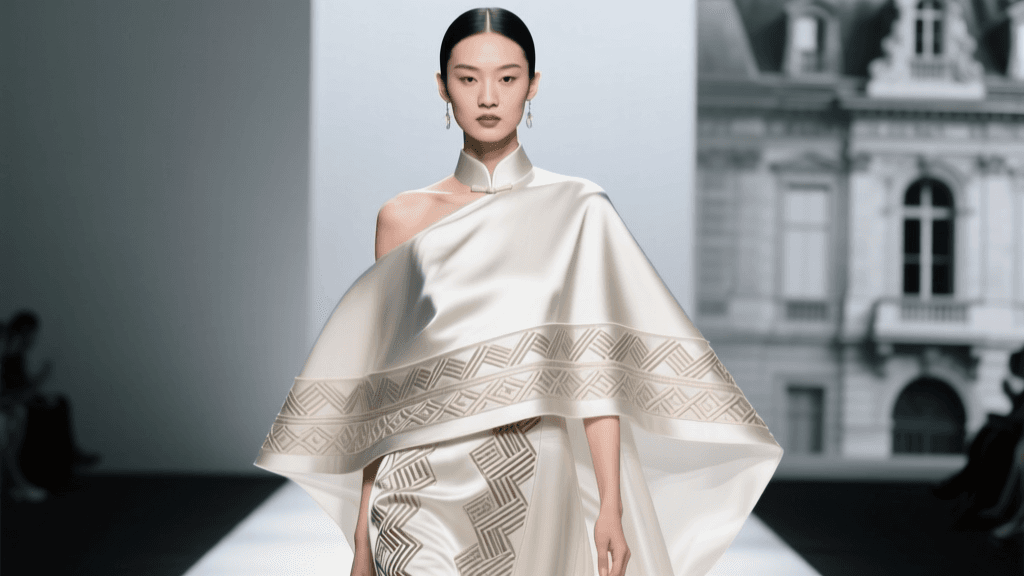
The intersection of heritage and haute couture has never been more vibrant than in the Spring/Summer and Fall/Winter 2026 international design weeks. 'Xin Zhongshi' (新中式), or the New Chinese Style, has transcended regional streetwear to become a dominant force on the runways of Paris and Milan. No longer confined to costume or ceremonial wear, traditional Chinese garments are being deconstructed, reimagined, and integrated into the global luxury market. In 2026, the global luxury sector's integration of Asian heritage textiles has grown by an estimated 18%, driven by a consumer demand for garments that offer both historical depth and sustainable craftsmanship.
This movement is not merely about aesthetic appropriation; it is a rigorous study of ancient tailoring techniques, fabric drape analysis, and textile preservation. Historical context for these silhouettes can be traced through institutions like The Metropolitan Museum of Art's Asian Art Department, which highlights the structural ingenuity of traditional Chinese tailoring that continues to inspire modern couturiers.
Key Garments Redefining the 2026 Runways
The 2026 runway season has seen a distinct pivot away from the heavily embroidered, stiff brocades of the early 2020s, moving toward fluid, dynamic fabrics that honor the body's natural movement. Two garments, in particular, have captured the attention of international fashion editors and buyers.
The Modern Mamianqun (Horse-Face Skirt)
The Mamianqun, characterized by its flat front and back panels with tightly pleated sides, has become the cornerstone of the Xin Zhongshi movement. In 2026, Parisian designers are utilizing 22-momme to 30-momme heavy silk crepe and sustainable peace silk to give the skirt a modern, weighted drape. Standard runway lengths for the 2026 collections hit precisely at the mid-calf (approximately 85 cm from the waist), allowing for ease of movement in urban environments while maintaining the dramatic, sweeping effect of the side pleats.
Designers are pairing these traditional skirts with sharply tailored, oversized wool blazers or minimalist cashmere turtlenecks, creating a striking juxtaposition between ancient craftsmanship and contemporary minimalism. The pleats are now heat-set using advanced, eco-friendly polymer techniques that ensure they survive repeated wear and gentle washing, a significant upgrade from the fragile silks of the past.
Song Dynasty Beizi Outerwear
The Song Dynasty Beizi (褙子), historically a straight-collar, side-slit tunic, has been reimagined as the ultimate 2026 duster coat. Runway iterations feature elongated silhouettes that graze the ankle, crafted from semi-sheer lotus silk and lightweight linen blends. The signature side slits, which originally allowed for ease of movement while riding or working, are now utilized to create dramatic layering effects over wide-leg trousers or slip dresses. The absence of buttons or ties in the traditional Beizi is maintained, with designers relying on the garment's precise shoulder drop and gravity to keep it elegantly in place.
Textile Innovations: Xiangyunsha and Peace Silk
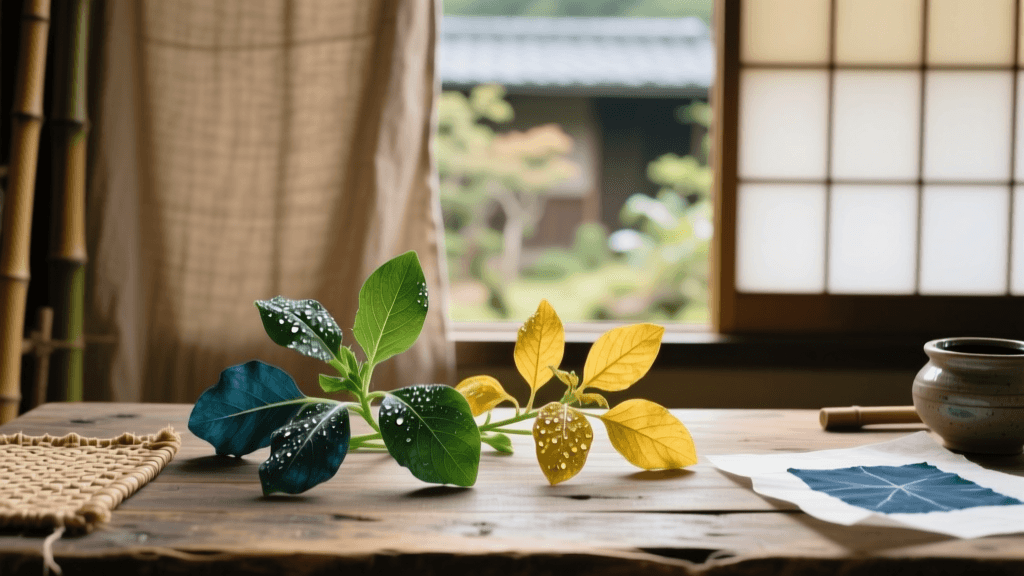
You cannot discuss the 2026 Xin Zhongshi runway without addressing the textile revolution happening behind the seams. Xiangyunsha, also known as gambiered Guangdong silk, has emerged as the most sought-after luxury fabric in Milan and Paris this year. This ancient fabric is dyed using the juice of the Dioscorea cirrhosa tuber and coated with iron-rich river mud, resulting in a distinctive dark, crinkled texture that is naturally antibacterial, water-resistant, and incredibly durable.
In 2026, sustainable fashion mandates have pushed Xiangyunsha to the forefront of international exhibitions. Because the dyeing process relies entirely on natural elements and sun-drying, it perfectly aligns with the zero-chemical mandates of the European Union's new 2026 textile regulations. The cross-cultural exchange that makes these runway adaptations possible is deeply rooted in the historical trade routes documented by the UNESCO Silk Roads Programme, which continues to influence how global designers source and appreciate Asian textiles.
Fabric Drape Analysis: Runway vs. Reality
Understanding how these garments move is critical for both designers and consumers. A major focus of the 2026 design weeks has been the 'drape analysis' of traditional weaves when subjected to modern, fast-paced lifestyles.
- Xiangyunsha Silk: Offers a stiff, structured drape with a subtle 'rustling' sound (often referred to as the 'singing silk'). It holds architectural shapes beautifully but lacks the fluid cling of charmeuse.
- 22-Momme Crepe de Chine: Provides a heavy, liquid drape that pools elegantly at the hemline. Ideal for the modern Mamianqun, as the weight keeps the pleats anchored during windy conditions.
- Lotus Silk: Extremely lightweight with a matte finish and a slightly nubby texture. It drapes with a soft, ethereal quality, making it the preferred choice for the flowing Beizi duster coats.
2026 Exhibition Highlights: Milan and Paris
Beyond the runways, Xin Zhongshi has been the focal point of several major cultural and fashion exhibitions in 2026. These exhibitions bridge the gap between academic research and commercial fashion.
| Garment / Textile Focus | 2026 Runway Material | Everyday Alternative | Estimated 2026 Retail Price (USD) |
|---|---|---|---|
| Mamianqun (Skirt) | 30-momme Xiangyunsha Silk | Silk-cotton blend jacquard | $180 - $450 |
| Beizi (Duster Coat) | Hand-woven Lotus Silk | Linen-rayon blend | $120 - $380 |
| Qixiong Ruqun (Top) | Peace Silk Organza | Recycled polyester chiffon | $85 - $250 |
For those studying the material culture and textile preservation that informs these modern exhibits, the Victoria and Albert Museum's Asia Collections provide invaluable insights into the drape and weave of historical garments that inspire today's avant-garde designers.
Styling, Storage, and Maintenance
Incorporating runway-level Xin Zhongshi into a daily wardrobe requires an understanding of garment care, particularly for heritage textiles like Xiangyunsha and heavy silks. The 2026 consensus among luxury conservationists emphasizes the following maintenance protocols:
Proper Storage Techniques
Never use wire or thin plastic hangers for heavy silk garments like the Mamianqun or structured Beizi coats. The weight of the 30-momme silk will cause the fabric to stretch and warp over time. Instead, use padded cedar hangers with a minimum 4-inch width to support the shoulder seams. For Xiangyunsha, which can develop permanent creases if folded incorrectly, store the garment in a breathable, unbleached cotton garment bag in a climate-controlled environment (ideally 65°F with 50% humidity).
Travel Packing for Pleated Garments
Traveling with a traditional Mamianqun requires a specific packing method to preserve the heat-set pleats. Do not roll the skirt. Instead, lay it flat, fold the side pleats inward along their natural crease lines, and place tissue paper between the layers before folding it in half. Upon arrival at your destination, hang the skirt in the bathroom while running a hot shower; the ambient steam will naturally release any minor transit wrinkles without the need for a direct iron, which can scorch delicate silk weaves.
Everyday Styling Advice
To avoid looking overly theatrical in a corporate or casual setting, balance the volume and ornamentation of the traditional piece. If you are wearing a heavily patterned, jacquard-woven Mamianqun, keep the top half of your outfit strictly minimalist—a crisp, white organic cotton button-down or a fine-gauge merino wool sweater. Conversely, if you are wearing a solid-colored, linen Beizi duster, you can introduce modern, textured layers underneath, such as a ribbed turtleneck and tailored denim, bridging the gap between ancient Asian traditions and 2026 global street style.
Conclusion
The presence of Xin Zhongshi at the 2026 Paris and Milan design weeks is a testament to the timelessness of Asian sartorial traditions. By respecting the historical integrity of garments like the Mamianqun and Beizi, while embracing sustainable, modern textiles like Xiangyunsha and peace silk, contemporary designers are ensuring that these cultural artifacts remain a living, breathing part of the global fashion dialogue. As we move through 2026, the New Chinese Style is no longer just a trend; it is a permanent, celebrated pillar of international couture.