Sustainable Lotus Silk & Banana Fiber Ao Dai Fabrics in 2026
The Evolution of the Ao Dai: Embracing Eco-Conscious Textiles in 2026
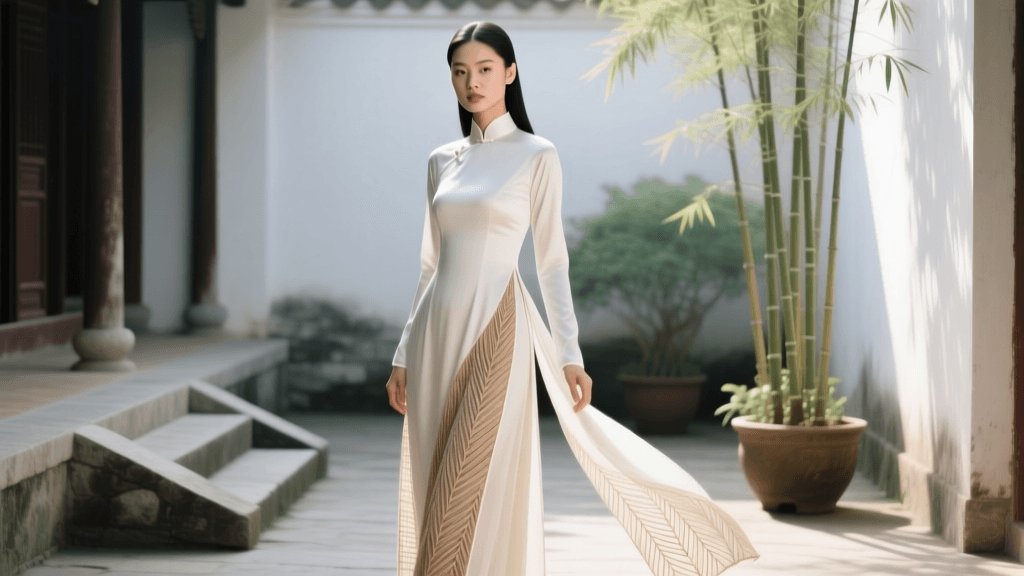
The Vietnamese Ao Dai is globally celebrated for its elegant, flowing silhouette, characterized by a form-fitting tunic worn over flowing trousers. Historically crafted from heavy brocades or traditional mulberry silks, the garment is undergoing a profound transformation as we navigate the 2026 fashion landscape. Today, the intersection of cultural heritage and environmental responsibility has reached a tipping point. Discerning consumers and avant-garde designers alike are turning toward innovative, plant-based textiles that honor the garment's traditional roots while addressing modern ecological concerns.
As climate consciousness dictates luxury and traditional fashion trends in 2026, two remarkable natural fibers have emerged as the premier choices for contemporary Ao Dai construction: lotus silk and banana fiber. These textiles not only offer exceptional breathability suited for Southeast Asia's tropical climate but also represent a triumph of sustainable, low-impact agriculture and artisanal craftsmanship. To understand the historical continuity of these weaving practices, one can look to the preservation efforts highlighted in the Victoria and Albert Museum's textile archives, which document the centuries-old evolution of Asian botanical weaves.
The Allure of Lotus Silk: A Masterclass in Patience
Lotus silk, derived from the stems of the Nelumbo nucifera (sacred lotus) plant, is widely considered one of the rarest and most labor-intensive textiles in the world. Unlike traditional sericulture, which relies on the cultivation of silkworms—a process extensively detailed in the Encyclopedia Britannica's guide to sericulture—lotus silk is entirely plant-based and cruelty-free, making it a highly sought-after vegan alternative for luxury traditional wear.
The extraction process is a marvel of artisanal dedication. In the Mekong Delta and parts of Myanmar, skilled harvesters gather lotus stems during the blooming season. Each stem is snapped, and the delicate micro-fibers within are carefully pulled out, rolled into a continuous thread, and sun-dried. It takes approximately 32,000 lotus stems to produce a single yard of pure lotus silk fabric. In 2026, advancements in community-based cooperative farming in Vietnam's Dong Thap province have streamlined this process slightly, though it remains an exclusive, luxury-tier textile.
The resulting fabric is extraordinary. It possesses a natural, unbleached ecru hue and a texture that sits somewhere between raw silk and fine linen. For the modern Ao Dai, lotus silk provides a structured yet forgiving drape that holds the tunic's mandarin collar and tailored bodice beautifully, while allowing the skin to breathe in high humidity.
Banana Fiber: The Durable, Eco-Conscious Alternative
While lotus silk caters to the ultra-luxury market, banana fiber has emerged in 2026 as the workhorse of sustainable Southeast Asian fashion. Extracted from the pseudo-stems of the banana plant (primarily the Musa textilis and Musa acuminata varieties), this fiber transforms agricultural waste into high-value textile material. After the banana fruit is harvested, the remaining stalks are typically left to rot or are burned. By upcycling these pseudo-stems, the textile industry significantly reduces agricultural carbon footprints.
The extraction involves stripping the outer layers of the pseudo-stem to reveal the fibrous core, which is then mechanically processed, degummed, and spun. Modern mechanical extraction techniques perfected by 2026 have eliminated the need for harsh chemical retting, ensuring the fiber remains entirely non-toxic and biodegradable.
Banana fiber boasts a natural luster that closely mimics silk, but with a tensile strength that rivals hemp. When woven into fabric for the Ao Dai, it is frequently blended with organic cotton or Ahimsa (peace) silk to soften the hand-feel. The resulting textile is ideal for the flowing trousers of the Ao Dai, offering a crisp, linen-like drape that resists wrinkling far better than pure silk, making it a favorite for destination weddings and all-day cultural festivals.
Natural Botanical Dyes: Completing the Sustainable Loop
A sustainable fiber is only as eco-friendly as the dye used to color it. In 2026, the revival of ancient botanical dyeing techniques has become a standard for high-end lotus and banana fiber garments. Artisans are eschewing synthetic azo dyes in favor of locally sourced botanicals that require minimal water and zero heavy metal mordants.
- Indigo (Indigofera tinctoria): Cultivated in the highlands, natural indigo provides deep, rich blues that soften beautifully over time, giving the Ao Dai a lived-in, heirloom quality.
- Mangrove Bark: Sourced from sustainable coastal forestry, mangrove bark yields deep browns and warm terracottas, offering excellent UV resistance and natural antimicrobial properties.
- Turmeric and Jackfruit Wood: Used to achieve vibrant yellows and warm golds, these kitchen and orchard byproducts provide brilliant colorfastness when properly mordanted with alum.
The integration of these natural dyes with plant-based fibers creates a fully circular garment, a concept heavily researched and preserved in historical contexts, such as those found in the Metropolitan Museum of Art's Asian textile collection.
2026 Fabric Comparison Chart: Lotus Silk vs. Banana Fiber vs. Traditional Silk
When commissioning or purchasing an Ao Dai in 2026, understanding the functional and economic differences between these textiles is crucial. Below is a comparative analysis to guide your fabric selection.
| Fabric Type | 2026 Avg. Cost (USD/m) | Drape & Texture | Breathability | Eco-Impact | Best Ao Dai Component |
|---|---|---|---|---|---|
| Lotus Silk | $140 - $180 | Soft, slightly nubby, elegant structure | Exceptional | Very Low (Water-positive crop) | Tailored Tunic (Bodice) |
| Banana Fiber Blend | $45 - $70 | Crisp, linen-like, subtle natural luster | High | Low (Upcycled ag-waste) | Flowing Trousers & Overlays |
| Mulberry Silk | $60 - $95 | Fluid, smooth, high sheen | Moderate | Moderate (High water/energy use) | Formal/Ceremonial Tunics |
| Ahimsa (Peace) Silk | $85 - $120 | Textured, matte finish, softer drape | High | Low-Moderate (Cruelty-free) | Everyday & Office Wear |
Sourcing Authentic Sustainable Textiles in 2026
As the demand for eco-friendly traditional wear has surged, so too has the prevalence of 'greenwashed' textiles. When sourcing lotus silk or banana fiber for your Ao Dai, authenticity is paramount. True lotus silk has a distinct, earthy scent when dampened and a natural irregularity in its weave that synthetic imitations cannot replicate. Banana fiber should feel cool to the touch and exhibit a natural, uneven slubbing.
In 2026, buyers should look for the Vietnam Sustainable Textile Certification (VSTC), a newly standardized regional mark that verifies both the botanical origin of the fiber and the fair-wage compensation of the weaving cooperatives. Purchasing directly from recognized craft villages, such as the Phu Hien weaving village or the Mekong Delta lotus cooperatives, ensures that your investment supports the preservation of indigenous craftsmanship.
Garment Care: Preserving Plant-Based Ao Dai Fabrics
Plant-based luxury fibers require specific care to maintain their structural integrity and natural luster. Unlike synthetic blends, lotus and banana fibers are highly responsive to their environment. Follow these actionable care steps to ensure your sustainable Ao Dai lasts for generations:
- Washing: Always hand-wash in cold water (below 20°C/68°F) using a pH-neutral, enzyme-free detergent. Never soak lotus silk for more than three minutes, as prolonged water exposure can weaken the natural plant gums holding the micro-fibers together.
- Drying: Never wring or twist the fabric. Gently press the water out by rolling the garment in a clean, dry cotton towel. Dry flat in the shade; direct sunlight will rapidly degrade plant fibers and fade natural botanical dyes.
- Ironing: Use a steam iron on the 'linen' or 'cotton' setting, but always iron the garment inside-out or use a cotton press cloth. Banana fiber responds beautifully to steam, which helps relax wrinkles without crushing the natural luster.
- Storage: Store your Ao Dai on padded, wide-shoulder hangers to maintain the tunic's tailored shape. Avoid plastic garment bags, which trap moisture and promote mildew; opt instead for breathable, unbleached cotton canvas covers.
Conclusion
The adoption of lotus silk and banana fiber in 2026 represents much more than a fleeting fashion trend; it is a profound reconnection with the agricultural and artisanal roots of Southeast Asia. By choosing these innovative, sustainable textiles for the traditional Ao Dai, wearers do more than simply adorn themselves in breathtaking garments. They become active participants in a movement that champions ecological stewardship, supports rural artisan economies, and ensures that the magnificent legacy of Asian traditional weaving thrives for centuries to come.