Hanfu Tourism: Best Destinations and Social Media Photo Guide
The Rise of Hanfu Tourism and the Guochao Movement
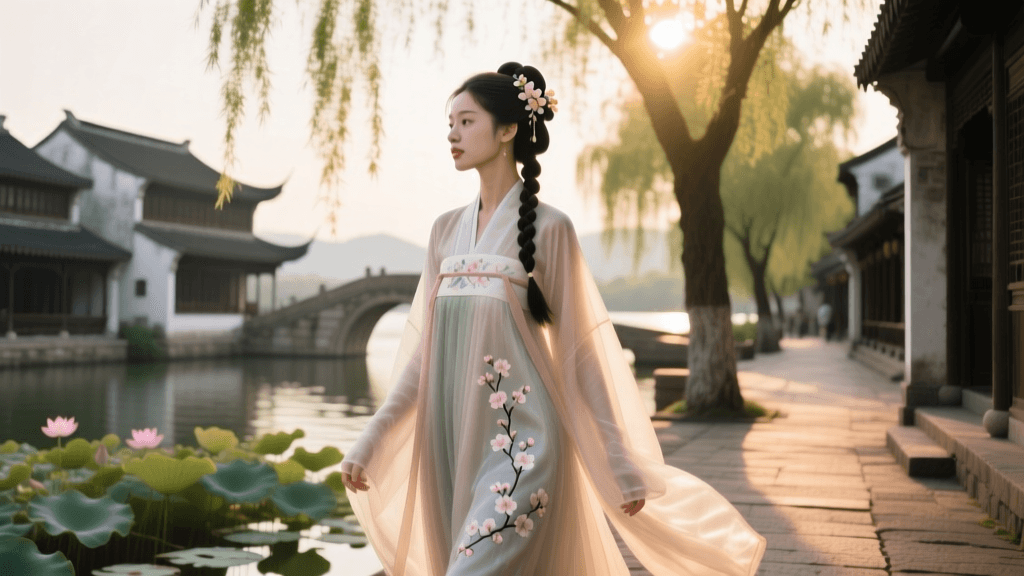
In recent years, the intersection of traditional Chinese clothing and domestic travel has birthed a massive cultural phenomenon known as Hanfu tourism. Driven by the 'Guochao' (national trend) movement, millions of young travelers are no longer just visiting historical sites; they are immersing themselves in the architecture by donning meticulously reconstructed Hanfu. This is not merely a sartorial choice but a deeply visual, community-driven experience designed for the digital age. Platforms like Xiaohongshu (RED), Douyin (the Chinese version of TikTok), and Instagram are flooded with cinematic travel vlogs and curated photo dumps featuring flowing silk sleeves against ancient pavilions.
For travel enthusiasts, content creators, and cultural historians alike, planning a Hanfu-centric trip requires a strategic approach. It involves understanding regional historical contexts, selecting the right garments for specific architectural backdrops, and mastering the visual language of modern Asian social media. According to extensive cultural reporting by BBC Culture, the Hanfu revival is deeply tied to a younger generation's search for cultural identity, transforming city streets and heritage sites into vibrant, living runways.
Top Destinations for Hanfu Social Media Photography
China’s vast history means that different regions are synonymous with different dynasties, each requiring a distinct Hanfu silhouette. Choosing the right destination for your preferred aesthetic is the first step to creating viral content. Below is a comprehensive guide to the top Hanfu tourism hubs, including the best styles to wear and the associated costs for high-quality rentals.
| Destination | Historical Era & Style | Best Season | Avg. Rental Cost (RMB) | Top Photo Spots |
|---|---|---|---|---|
| Xi'an | Tang Dynasty (Qixiong Ruqun, Banbi) | Spring / Autumn | 150 - 350 | Datang Everbright City, City Wall |
| Hangzhou | Song Dynasty (Beizi, Moxiong) | Spring / Summer | 100 - 250 | West Lake, Lingyin Temple, Tea Villages |
| Beijing | Ming Dynasty (Mamianqun, Aoqun) | Autumn / Winter | 200 - 450 | Forbidden City, Temple of Heaven, Hutongs |
| Luoyang | Wei/Jin or Early Tang | Spring / Autumn | 120 - 300 | Longmen Grottoes, Luoyi Ancient City |
Xi'an: The Tang Dynasty Fantasy
Xi'an, the ancient capital of Chang'an, is the undisputed mecca for Tang Dynasty aesthetics. The Tang era was characterized by cosmopolitanism, wealth, and bold fashion. The Qixiong Ruqun (chest-high skirt) with its vibrant colors, sheer shawls, and elaborate floral hairpins is the standard here. For social media creators, the Datang Everbright City at night offers unparalleled neon-lit backdrops that mimic the lantern festivals of antiquity. Slow-motion Douyin videos capturing the twirl of a Tang skirt against glowing pavilions consistently perform well on algorithmic feeds.
Hangzhou: The Elegant Song Dynasty
If your social media brand leans towards minimalism, elegance, and the 'quiet luxury' aesthetic, Hangzhou is your destination. The Song Dynasty favored slender, understated silhouettes like the Beizi (a long, open-front overcoat) worn over narrow skirts. The misty, willow-lined banks of West Lake and the serene bamboo forests of Lingyin Temple provide a soft, diffused natural light that is highly prized by Xiaohongshu photographers. The color palette here should lean towards celadon greens, soft pinks, and muted ivory.
Beijing: The Majestic Ming Dynasty
Beijing’s imposing imperial architecture demands the structural grandeur of the Ming Dynasty. The Mamianqun (horse-face skirt) paired with a woven Ao (jacket) offers a regal, dignified look. The heavy brocades and intricate gold-woven patterns of Ming Hanfu contrast beautifully with the iconic red walls and golden glazed tiles of the Forbidden City. Because Ming clothing is layered and often features plush winter linings, Beijing is an ideal destination for autumn and winter Hanfu tourism, allowing for stunning snow-shot photography.
Styling for the Camera: Fabrics, Colors, and Heritage
Creating striking social media content requires an understanding of how textiles interact with light and movement. The historical authenticity of Chinese silk is a major draw for enthusiasts. As documented by the UNESCO Intangible Cultural Heritage registry, Chinese sericulture and silk craftsmanship involve complex weaving techniques that give traditional garments their distinctive luster and drape. When renting or buying Hanfu for a photoshoot, fabric choice dictates the success of your movement-based shots.
- For Douyin Video Transitions (Wind & Movement): Opt for garments featuring high-quality chiffon, organza, or lightweight silk georgette. These fabrics catch the wind beautifully, allowing for the dramatic 'sleeve toss' and 'skirt twirl' transitions that dominate short-form video platforms. Avoid heavy cottons or stiff linens, which will look static on camera.
- For High-Resolution Xiaohongshu Portraits (Texture & Detail): Choose heavy silk brocades, damask, or garments with intricate metallic embroidery. The Victoria and Albert Museum notes that historical Chinese textiles often utilized complex weave structures to create patterns that catch the light from different angles. When shooting close-up portrait details, these rich textures elevate the perceived production value of your photos.
Color Theory and Architectural Contrast
A common mistake among amateur Hanfu tourists is wearing colors that blend into the background. To make your subject pop, apply basic color theory based on your destination:
- Red Walls (Forbidden City, Temple of Heaven): Avoid red Hanfu. Instead, wear stark white, deep navy blue, or emerald green to create a high-contrast, cinematic image.
- Gray Tiles and White Walls (Jiangnan Water Towns): Pastels, soft lavenders, and pale yellows work beautifully here, complementing the ink-wash painting aesthetic of the region.
- Lush Green Bamboo and Forests: Wear contrasting warm tones like terracotta, mustard yellow, or deep crimson to separate the subject from the dense foliage.
Mastering the Social Media Aesthetic: Posing and Props
The 'Xiaohongshu aesthetic' for Hanfu is distinct from Western fashion photography. It prioritizes storytelling, dynamic movement, and a sense of historical romanticism over rigid, high-fashion posing.
'The most viral Hanfu content rarely features the subject staring directly into the lens. It captures a moment in time—a glance over a fan, the mid-air suspension of a silk ribbon, or the candid adjustment of a hairpin.'
Essential Props for Engagement:
- The Oil-Paper Umbrella: A staple for Jiangnan and Song dynasty shoots. It provides a framing device for the face and adds a layer of melancholy or romance, especially in light rain or misty conditions.
- The Round Silk Fan: Perfect for Tang and Ming dynasty aesthetics. Use it to obscure half the face, creating an air of mystery, or use it to interact with falling leaves or snow.
- Traditional Lanterns: Crucial for night shoots in Xi'an or Luoyang. A warm, glowing lantern acts as a natural fill light for the face, eliminating harsh shadows and creating a captivating focal point in the dark.
Practical Logistics: Rentals, Makeup, and Timing
To execute a flawless Hanfu tourism trip, logistical planning is just as important as the creative vision. The Hanfu rental industry in cities like Xi'an and Luoyang is highly developed, offering 'one-stop-shop' experiences that include the garment, traditional hairstyling, and historical makeup (such as the Huadian floral forehead decals).
Timing is Everything: Major heritage sites in China are notoriously crowded. To capture clean, crowd-free images for your social media feeds, you must arrive at the gates at least 45 minutes before opening time. The 'Golden Hour' immediately following sunrise not only provides the best directional lighting for silk textiles but also ensures you have the architectural space to execute wide-angle video sweeps without photobombers.
Footwear Hacks: Traditional Hanfu skirts often sweep the floor, hiding your shoes. Do not wear the uncomfortable, traditional wooden clogs for a full day of tourism. Wear modern, cushioned sneakers or wedge boots underneath your skirt to navigate cobblestones and palace steps comfortably while maintaining the illusion of historical accuracy.
Conclusion
Hanfu tourism is a profound way to experience Asian traditions, blending historical reverence with modern digital expression. By carefully selecting your destination, understanding the textile heritage of your chosen dynasty, and mastering the visual trends of platforms like Xiaohongshu and Douyin, you can create breathtaking content that honors the past while captivating the present. Whether you are twirling a Tang dynasty skirt in Xi'an or capturing the quiet elegance of a Song dynasty silhouette in Hangzhou, the world of Hanfu offers an endless canvas for the traveling creator.