Japanese Natural Dye Plants: Eco-Friendly Kusaki-Zome Methods 2026
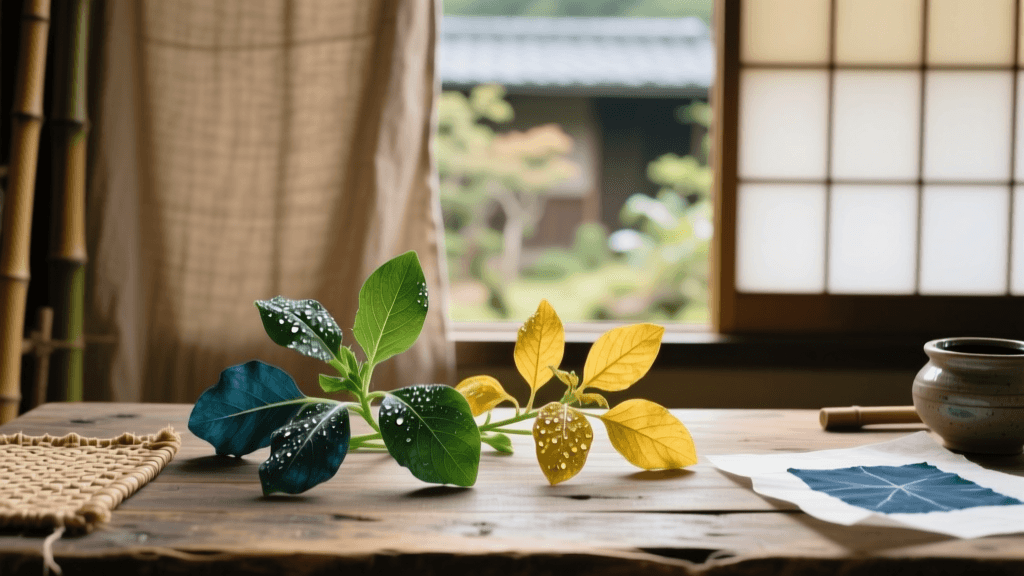
The Renaissance of Kusaki-Zome in 2026
As the global textile industry faces intense regulatory scrutiny over its environmental footprint in 2026, the ancient Japanese art of kusaki-zome (grass and tree dyeing) has transitioned from a niche heritage craft to a leading sustainable practice. With strict 2026 global mandates phasing out toxic synthetic azo dyes and heavy metal mordants, fashion houses and independent artisans are turning to Japan's centuries-old botanical dyeing methods. Kusaki-zome is not merely a historical curiosity; it is a highly viable, eco-friendly framework for modern textile production that harmonizes human creativity with the natural cycles of the earth.
Unlike synthetic dyeing, which relies on petrochemicals and generates massive volumes of toxic wastewater, Japanese natural dyeing utilizes renewable plant matter, agricultural byproducts, and biodegradable mordants. According to the United Nations Environment Programme (UNEP), the shift toward botanical dyes is a critical pillar in the global transition toward circular fashion. In 2026, advancements in bio-mordanting and solar-assisted extraction have made kusaki-zome more water-efficient and colorfast than ever before.
Essential Japanese Dye Plants for Sustainable Textiles
To master eco-friendly kusaki-zome, one must understand the specific botanical properties of traditional Japanese dye plants. The following species are at the forefront of the 2026 sustainable dye renaissance, prized for their low ecological impact and vibrant, living colors.
1. Ai (Japanese Indigo - Persicaria tinctoria)
Unlike tropical indigo varieties, ai is cultivated in temperate climates, most notably in Tokushima Prefecture. The leaves are harvested, dried, and fermented to create sukumo. In 2026, premium Awa-ai sukumo retails for approximately $28 per 100g, reflecting its labor-intensive, chemical-free production. The fermentation process relies on natural microorganisms, and the resulting dye vat is maintained using wood ash lye (aku) and sake, completely eliminating the need for the toxic reducing agents (like sodium dithionite) used in synthetic indigo vats.
2. Kihada (Amur Cork Tree - Phellodendron amurense)
Kihada yields a brilliant, luminous yellow due to its high berberine content. Historically used to dye paper and garments to repel insects, kihada is now celebrated for its antimicrobial properties in modern wellness wear. Sustainable harvesting in 2026 follows strict Food and Agriculture Organization (FAO) guidelines, where only the inner bark of pruned branches or sustainably managed coppice shoots is utilized, ensuring the tree's survival and promoting forest biodiversity.
3. Tamanegi (Onion Skins)
The ultimate zero-waste dyestuff, onion skins are a staple in urban kusaki-zome. Rich in quercetin, they yield warm golds, oranges, and deep browns. Because onion skins are highly substantive, they bond readily to protein fibers (like silk and wool) without a mordant, and require only minimal, eco-friendly mordants for cellulose fibers (like cotton and linen). Utilizing food waste for dyeing perfectly encapsulates the circular economy principles driving 2026 textile design.
4. Kuri (Chestnut Shells and Burrs)
Chestnut shells are an abundant agricultural byproduct in Japan's mountainous regions. High in tannins, they produce beautiful earthy browns and, when modified with an iron after-bath, deep slate greys and blacks. Using kuri shells diverts agricultural waste from landfills and provides a natural, plant-based alternative to synthetic black dyes, which are notoriously difficult to treat in wastewater facilities.
Eco-Friendly Mordanting: Moving Beyond Heavy Metals
A mordant is a substance used to set dyes on fabrics by forming a coordination complex with the dye, which then attaches to the fabric. Historically, some mordants involved heavy metals like chrome or tin, which are highly toxic. In 2026, the kusaki-zome community strictly avoids these, relying instead on sustainable alternatives:
- Myoban (Alum): Potassium aluminum sulfate is a naturally occurring mineral salt. It is safe, non-toxic, and does not bioaccumulate in water systems. It brightens colors and is the most common mordant for yellows and reds.
- Tetsu (Iron): Derived from rusty nails soaked in water and vinegar, or naturally occurring iron-rich mud. It saddens (darkens) colors and is used to achieve deep greens, greys, and blacks.
- Tonyu (Soy Milk): A revolutionary bio-mordant for cellulose fibers. The proteins in soy milk bind to plant fibers, creating a receptive surface for natural dyes, drastically reducing the need for mineral mordants and saving water.
2026 Eco-Impact Comparison of Japanese Dye Plants
The following table outlines the ecological and practical profiles of popular Japanese dye plants as evaluated by modern sustainable textile standards.
| Plant (Japanese) | Primary Color | Eco-Mordant Required | Water Usage | 2026 Eco-Score |
|---|---|---|---|---|
| Ai (Indigo) | Deep Blue | Alkaline Ash Lye (No metal) | Low (Vat is reused for months) | 10/10 |
| Kihada (Cork Tree) | Bright Yellow | Alum or None (for silk) | Medium | 8/10 |
| Tamanegi (Onion) | Gold / Orange | Alum or Soy Milk | Low (Exhausts quickly) | 10/10 |
| Kuri (Chestnut) | Brown / Grey | Iron (for dark shades) | Medium | 9/10 |
| Suo (Sappanwood) | Crimson / Pink | Alum | High (Requires long simmer) | 7/10 |
Step-by-Step: Zero-Waste Tamanegi (Onion Skin) Dyeing
To demonstrate the accessibility of modern kusaki-zome, here is a precise, actionable guide to dyeing organic cotton using upcycled onion skins. This method utilizes soy milk bio-mordanting, a highly favored technique in 2026 for achieving vibrant colors on plant-based fibers without heavy mineral use.
Materials and Measurements
- Fabric: 100g of scoured, undyed organic cotton or linen.
- Dyestuff: 50g of dry yellow onion skins (saved from daily cooking over a few weeks).
- Bio-Mordant: 500ml of unsweetened, unflavored soy milk (high protein content is essential).
- Mineral Mordant: 15g of food-grade alum (potassium aluminum sulfate).
- Equipment: Stainless steel dye pot, digital thermometer, pH strips, wooden stirring spoon.
The Dyeing Process
Step 1: Soy Milk Protein Treatment
Soak the scoured cotton fabric in the undiluted soy milk for 2 hours at room temperature. Gently massage the fabric to ensure the proteins penetrate the cellulose fibers. Wring out the excess milk (do not rinse) and hang the fabric to dry completely. This creates a protein 'bridge' on the cotton, mimicking the dye-receptive properties of silk.
Step 2: Dyestuff Extraction
Place the 50g of onion skins in the stainless steel pot with 2 liters of water. Slowly bring the temperature to 80°C (176°F). Maintain this temperature for 60 minutes. The water will turn a deep, rich amber. Strain the liquid through a fine mesh sieve, composting the spent skins. You now have your primary dye bath.
Step 3: Alum Mordanting
In a separate pot, dissolve 15g of alum in 2 liters of warm water (approx. 50°C). Submerge the soy-treated, dry fabric into the alum bath for 45 minutes. This step locks the protein bridge and prepares the fiber for the dye molecules.
Step 4: The Dye Bath
Transfer the mordanted fabric directly into the strained onion skin dye bath. Heat the bath to 70°C (158°F) and hold it there for 45 minutes, stirring occasionally with a wooden spoon to prevent uneven spotting. Turn off the heat and allow the fabric to steep in the cooling dye bath overnight (12-24 hours) for maximum color saturation.
Step 5: Washing and Curing
Remove the fabric and rinse it in cool water until the runoff is clear. Wash gently with a pH-neutral, eco-friendly detergent. Hang to dry in the shade (direct UV light can fade botanical dyes before they fully oxidize and cure). Allow the fabric to 'cure' for one week before its first heavy wash; this ensures the colorfastness of the quercetin molecules.
Sourcing and Ethical Foraging Guidelines
As interest in kusaki-zome surges, ethical sourcing has become paramount. The Japan National Tourism Organization frequently highlights regional craft cooperatives that support sustainable agriculture and traditional forestry. When purchasing materials like Awa-ai sukumo or Kihada bark in 2026, always look for certifications from local agricultural cooperatives (JA) or verified sustainable forestry labels. Avoid harvesting wild plants without proper knowledge and permission; over-foraging can devastate local ecosystems. Instead, build relationships with local farmers to acquire agricultural byproducts like chestnut shells, onion skins, and pruned fruit tree branches.
Conclusion
The practice of kusaki-zome is a profound dialogue between the artisan and the environment. By embracing Japanese natural dye plants and modern eco-friendly methods, we not only preserve a rich cultural heritage but also actively participate in healing the planet's ecosystems. As we navigate the textile landscape of 2026 and beyond, the living colors of Ai, Kihada, and Tamanegi serve as a vibrant reminder that true beauty in fashion is, and always should be, deeply rooted in nature.