Haori and Hakama: Styling Japanese Garments for Streetwear
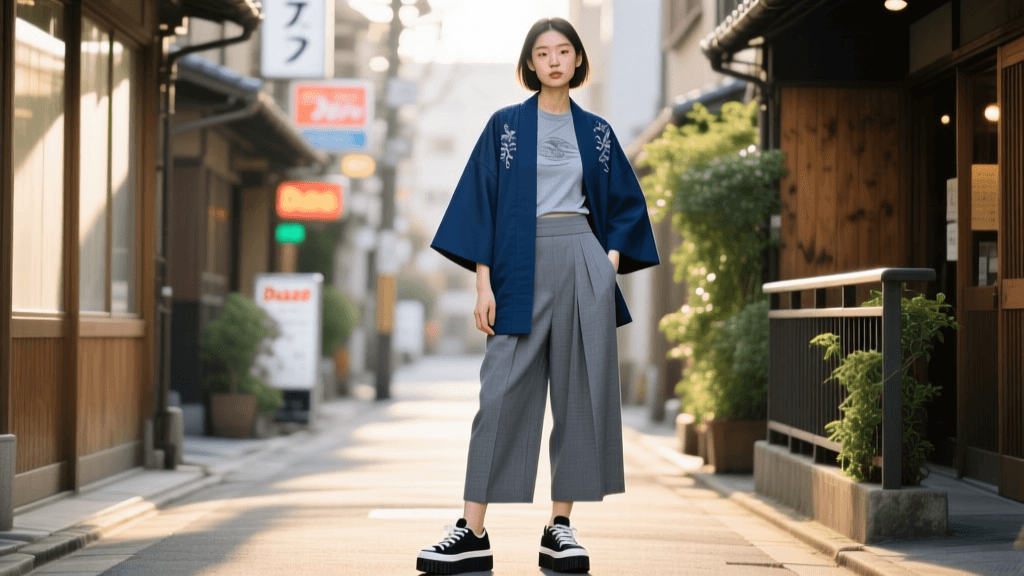
The Renaissance of Traditional Japanese Silhouettes in Streetwear
In the hyper-dynamic fashion ecosystems of Tokyo’s Harajuku, Shibuya, and Daikanyama districts, the boundary between historical heritage and futuristic streetwear is continuously blurred. While global fashion often looks to the West for vintage inspiration, Japan’s youth and avant-garde designers are increasingly turning inward, reviving traditional Japanese garments like the haori (hip-length jacket) and hakama (pleated trousers). According to the Victoria and Albert Museum, the global fascination with Japanese dress has evolved from museum exhibitions to direct catwalk and street-level integration, proving that these centuries-old silhouettes possess a timeless, structural relevance.
For modern streetwear enthusiasts, integrating a haori or hakama into a daily rotation is not about wearing a costume; it is about leveraging masterful draping, unique textile crafts, and oversized proportions that rival contemporary techwear and high-fashion layering. This guide provides actionable advice on sizing, styling, sourcing, and maintaining these garments for the modern urban wardrobe.
Decoding the Haori: The Ultimate Layering Piece
Originally worn by samurai as a protective outer layer and later adopted by Edo-period firemen and merchants, the haori is characterized by its open front, lack of overlapping lapels, and sweeping, boxy sleeves. In modern streetwear, the haori serves as an exceptional substitute for the trench coat, bomber jacket, or oversized cardigan. Its straight-line cutting method (chokusen-dachi) creates a striking, geometric silhouette that drapes beautifully over hoodies, graphic tees, and turtlenecks.
Sizing and Measurements for the Modern Wardrobe
Unlike Western clothing, traditional Japanese garments are not sized by S, M, or L. Instead, they are measured using specific metrics. When hunting for a vintage or modern haori to wear as streetwear, focus on these three critical measurements:
- Yuki (Sleeve Length): Measured from the center back of the neck, across the shoulder, and down to the wrist. For a modern, oversized streetwear drape, look for a Yuki measurement between 75cm and 85cm. This ensures the sleeves extend past the wrist, creating the coveted 'dropped shoulder' effect.
- Mitake (Back Length): Measured from the base of the collar to the bottom hem. A traditional haori hits at the hip (approx. 75cm-80cm). However, for a dramatic, avant-garde streetwear look, seek out extended-length haori measuring 95cm to 110cm, which will fall to the mid-thigh or knee, mimicking a lightweight duster coat.
- Katamiki (Shoulder Width): Measured across the back from shoulder seam to shoulder seam. Because haori sleeves are attached in a T-shape, the shoulder seam often drops down the arm. A wider Katamiki (approx. 60cm+) enhances the boxy, gender-neutral silhouette popular in brands like Yohji Yamamoto and Kapital.
Hakama Trousers: Bridging Samurai Heritage and Techwear
The hakama is a deeply symbolic garment, traditionally featuring seven deep pleats (five in the front, two in the back) that represent the seven virtues of the samurai. Today, the hakama’s voluminous, wide-leg profile and structured koshiita (back board) make it a natural ally to the techwear and darkwear movements. As noted by the Japan National Tourism Organization, the preservation of these traditional crafts is increasingly supported by their adaptation into modern, functional apparel.
Styling Hakama with Contemporary Footwear
The most common mistake when styling hakama for the street is allowing the hem to drag, which ruins the garment's structural integrity and soils the fabric. For urban commuting, the hakama should be tied so that the hem rests exactly at the ankle bone or the top of the foot. This allows the pleats to billow dynamically while walking, without tripping the wearer.
Footwear Pairings:
- Aggressive Trail Runners: Shoes like the Salomon XT-6 or Nike ISPA provide a rugged, technical contrast to the flowing silk or cotton of the hakama, anchoring the outfit in modern techwear.
- Chunky Derbies & Boots: Dr. Martens or Guidi horseback boots complement the dark, avant-garde aesthetic of black or indigo-dyed cotton hakama.
- Minimalist Sneakers: For a cleaner, high-fashion approach, pair tailored linen hakama with pristine white sneakers like the Maison Margiela Replica or Common Projects Achilles.
Comparison Chart: Sourcing Your Garments
Whether you are looking for an authentic, one-of-a-kind vintage piece or a modernized interpretation by a contemporary streetwear brand, your sourcing strategy will dictate your budget and styling options. The The Japan Times has frequently highlighted how domestic youth are revitalizing the secondhand kimono and haori market, making vintage sourcing more accessible than ever.
| Sourcing Method | Estimated Cost (USD) | Pros | Cons | Best Brands / Locations |
|---|---|---|---|---|
| Vintage Thrift (Tokyo) | $20 - $80 | Authentic silk/wool textiles; unique patterns; sustainable. | Limited sizing; requires dry cleaning; fragile fabrics. | Chicago Thrift (Shimokitazawa), New York Joe Exchange (Koenji). |
| Modern Streetwear Brands | $300 - $900 | Durable fabrics (cotton, nylon); pre-washed; oversized fits. | High price point; loses some historical textile authenticity. | Kapital, Sasquatchfabrix, Yohji Yamamoto, Julius. |
| Bespoke / Artisan | $1,000+ | Custom measurements; heritage dyeing (Indigo, Shibori). | Long lead times (months); requires deep industry knowledge. | Kyoto-based artisan studios, specialized Etsy sellers. |
Practical Guide: Where to Shop and What to Spend
If you are visiting Tokyo to curate your streetwear archive, timing and location are everything. The neighborhoods of Shimokitazawa and Koenji are the undisputed epicenters of vintage Japanese clothing. Stores like Flamingo and Chicago often have dedicated floors for kimono and haori. You can frequently find stunning, unworn deadstock haori from the mid-20th century for as little as 3,000 to 8,000 JPY ($20 to $55 USD).
Timing Tip: Visit Tokyo during the seasonal transition months (March and October). During these times, locals conduct massive wardrobe purges, and vintage stores are flooded with fresh inventory. Additionally, look out for the Antique Kimono Markets held at the Yasukuni Shrine or Hanazono Shrine, where you can negotiate directly with vendors and find rare, heavy-weight winter haori lined with silk.
Garment Care: Preserving the Craft
Integrating traditional garments into a gritty streetwear lifestyle requires mindful maintenance. Most vintage haori are crafted from silk (chirimen or tsumugi). Silk is highly susceptible to water spotting and UV fading. Never machine wash a vintage silk haori. Instead, invest in professional dry cleaning and store the garment flat, folded with acid-free tissue paper to prevent permanent creasing along the traditional fold lines.
For daily streetwear abuse, opt for modern reproductions made from polyester blends or heavy cotton-linen canvases. These materials mimic the drape of traditional silk but can withstand rain, subway commutes, and occasional gentle hand-washing. If you purchase a cotton hakama, be aware that the deep pleats will require careful ironing with a pressing cloth after every wash to maintain their sharp, architectural lines.
Conclusion
The integration of the haori and hakama into modern streetwear is more than a fleeting trend; it is a profound dialogue between Japan’s sartorial ancestors and its fashion-forward youth. By understanding the precise measurements, respecting the historical context, and thoughtfully pairing these garments with contemporary footwear, you can elevate your streetwear rotation from standard hype to a masterclass in silhouette and cultural appreciation. Whether sourced from a dusty Koenji thrift bin or a high-end Harajuku boutique, these traditional garments offer an unparalleled canvas for modern self-expression.