Chinese Motifs in Global Couture: Runway Trends & Styling
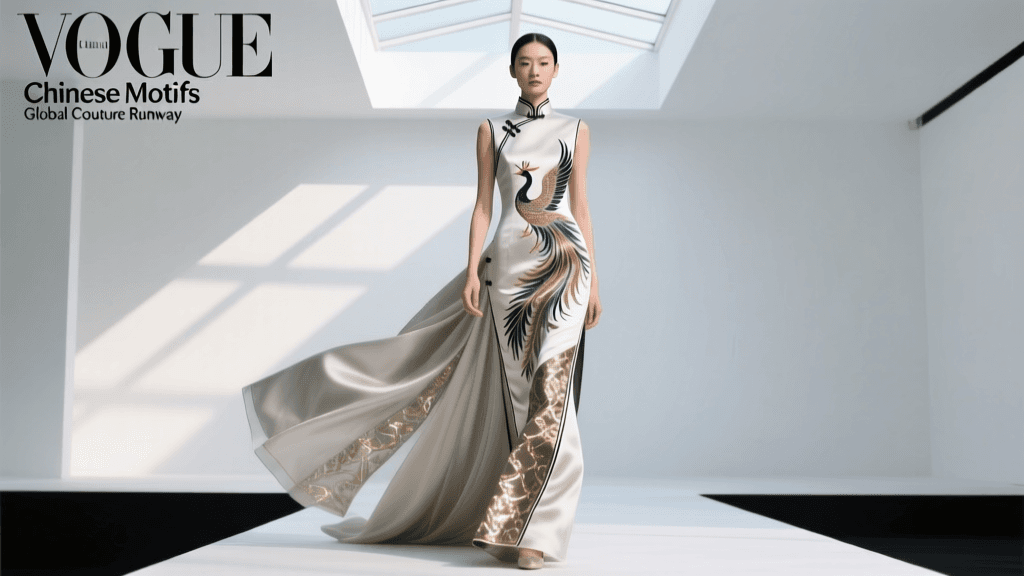
The Evolution of Chinese Elements in Western Haute Couture
The intersection of traditional Chinese garments and international haute couture represents one of the most fascinating cross-cultural dialogues in fashion history. For over a century, the silhouettes, textiles, and motifs of China have captivated Western designers, evolving from exoticized costume interpretations to deeply respectful, technically masterful homages. Understanding this evolution is crucial for modern collectors, stylists, and enthusiasts who wish to navigate the world of Sino-Western runway fashion with an informed, culturally appreciative eye.
The fascination with Chinese aesthetics in Western fashion can be traced back to the early 20th century, but it was Yves Saint Laurent’s seminal 1977 "Les Chinoises" collection that truly cemented Chinese motifs in the Western couture lexicon. Saint Laurent utilized rich brocades, mandarin collars, and lacquered reds, drawing heavy inspiration from Qing dynasty court robes. Decades later, Ralph Lauren’s Fall 2011 collection reimagined the 1930s Shanghai era, blending Art Deco sensibilities with traditional silk cheongsams (qipaos), jade accessories, and coral embellishments. According to The Metropolitan Museum of Art, the historical trade of Chinese silk and textiles fundamentally shaped global fashion, providing the foundational materials that European couture houses have relied upon for centuries.
Today, the narrative has shifted from Western appropriation to Eastern mastery. Guo Pei, China’s most prominent couturier, became a guest member of the Fédération de la Haute Couture et de la Mode in Paris, bringing authentic Chinese imperial embroidery techniques, such as goldwork and Kesi (cut silk tapestry), directly to the highest echelons of the global runway. Her work bridges the gap between ancient Chinese sartorial traditions and modern structural couture.
Decoding the Runway: Authentic Homage vs. Orientalism
When evaluating Chinese-inspired runway pieces, it is essential to distinguish between authentic homage and superficial Orientalism. True couture integration respects the structural integrity and historical context of the garment. For instance, a respectful adaptation of the Mao collar (Zhongshan suit) will maintain the precise, structured band collar and four-pocket utility, while a superficial costume piece might merely slap a dragon motif onto a standard Western blazer.
Authenticity in high fashion is often found in the textiles. Designers who invest in traditional Chinese weaving and dyeing techniques demonstrate a commitment to the culture's sartorial heritage. Two prominent examples include Xiangyunsha and Kesi.
Textile Spotlight: Xiangyunsha and Kesi
- Xiangyunsha (Gambiered Canton Gauze): Originating from Guangdong, this luxurious silk is dyed using the juice of the Dioscorea cirrhosa tuber and coated with iron-rich mud from the Pearl River. The result is a dual-toned fabric—glossy black on one side and matte brown on the other—that is water-resistant, breathable, and possesses a distinct rustling sound. Couture houses utilizing genuine Xiangyunsha are investing in an intangible cultural heritage.
- Kesi (Cut Silk Tapestry): Unlike continuous weft embroidery, Kesi involves weaving silk threads back and forth only where a specific color is needed, creating a "cut" effect that allows for incredibly detailed, painterly designs. This technique is frequently seen in the bodices of high-end bridal couture and gala gowns.
Traditional Chinese Elements vs. Couture Adaptations
To help enthusiasts and collectors identify how traditional elements are translated onto the modern runway, the following table outlines key adaptations seen in international fashion houses.
| Traditional Element | Historical Context | Couture Adaptation | Key Designers |
|---|---|---|---|
| Qipao / Cheongsam | 1920s-30s Shanghai; form-fitting, high collar, side slits. | Deconstructed silhouettes, relaxed drop-shoulders, mixed with Western corsetry. | Ralph Lauren, Prada, Guo Pei |
| Mandarin Collar | Qing dynasty official wear; later the Zhongshan suit. | Sharp, minimalist band collars on wool coats and evening jackets. | Armani, Dior, Tom Ford |
| Su Xiu (Suzhou Embroidery) | Delicate, photorealistic silk thread work from Jiangsu. | Integrated into tulle overlays, bridal veils, and evening gown bodices. | Elie Saab, Guo Pei |
| Horsehair & Bamboo Weaving | Rural utility and summer garments. | Structured bodices, avant-garde headpieces, and corset boning. | Iris van Herpen, Alexander McQueen |
Actionable Guide: Investing in Sino-Western Couture Pieces
For serious collectors and fashion investors, acquiring pieces that represent the fusion of Chinese tradition and Western couture requires strategic navigation of the vintage and contemporary markets. According to auction data from Sotheby's and specialized fashion auction houses, Sino-Western garments hold significant value when their provenance and textile authenticity are verified.
Investment Tiers and Market Pricing
- Vintage Haute Couture ($5,000 - $30,000): Pieces from Yves Saint Laurent’s 1977 "Les Chinoises" collection or Christian Dior’s 1990s Chinese-inspired lines are highly sought after. Look for pieces featuring genuine silk brocade and hand-finished interior seams. Provenance is key; always request original runway show tags or boutique receipts.
- Antique Qing Dynasty Court Robes ($10,000 - $150,000+): While not Western couture, authentic 18th and 19th-century dragon robes (longpao) heavily influence modern couture and are foundational collector items. Verify the presence of authentic metallic gold threads and Kesi weaving.
- Contemporary Chinese Couture ($20,000 - $500,000+): Commissioning or purchasing secondary market pieces from Guo Pei or Laurence Xu offers investment potential. Guo Pei’s iconic "Legend of the Dragon" pieces, featuring tens of thousands of hours of hand-embroidery, are museum-grade investments.
Styling and Tailoring: The 14-Point Measurement System
If you are inspired by the runway to commission a bespoke, couture-level Qipao that blends traditional Chinese tailoring with modern Western comfort, you must understand the rigorous measurement process. Unlike Western dressmaking, which often relies on standardized block patterns, a true couture Qipao requires a 14-point measurement system to ensure the garment molds perfectly to the body while allowing for movement.
When consulting with a master tailor in Shanghai, Hong Kong, or a specialized Western atelier, provide the following precise measurements:
- Bust Circumference: Measured at the fullest point.
- Waist Circumference: Measured at the natural narrowest point.
- Hip Circumference: Measured at the widest part of the hips.
- Shoulder Width: From the edge of one shoulder bone to the other across the back.
- Armhole Depth: Crucial for the high, restrictive armholes typical of 1930s styles.
- Sleeve Length: From the shoulder edge to the desired wrist or elbow point.
- Bicep Circumference: Ensures the sleeve does not pull when the arm is raised.
- Wrist Circumference: For tapered sleeve cuffs.
- Neck Circumference: Essential for the rigid Mandarin collar.
- Collar Height: Typically 3.5 to 5 cm for modern comfort, compared to the 7 cm historical standard.
- Front Waist Length: From the base of the neck to the natural waist.
- Back Waist Length: From the prominent vertebra at the base of the neck to the waist.
- Hip Height: Distance from the waist to the fullest part of the hip.
- Total Dress Length & Slit Height: Determining where the side slits begin (traditionally at the knee or mid-thigh for modern styling).
Pro-Tip for Modern Comfort: While 1930s Shanghai calendar-girl Qipaos were tailored with less than 0.5 inches of ease for a skin-tight fit, modern couture adaptations recommend leaving 1.5 inches of ease at the bust and 1 inch at the waist. This allows for comfortable breathing and sitting while maintaining the sleek, columnar silhouette favored on international runways.
Textile Care for Couture Chinese Garments
Owning a piece of Sino-Western couture requires meticulous care, particularly when dealing with heritage textiles. The Victoria and Albert Museum emphasizes that historical Asian textiles require specialized conservation approaches to prevent structural degradation.
- Cleaning Xiangyunsha: Never machine wash or dry clean this fabric. The iron-rich mud coating can be damaged by harsh chemicals. Hand wash gently in cool water (below 30°C) using a pH-neutral silk detergent. Do not wring; roll in a towel to absorb moisture and dry in the shade.
- Storing Embroidered Silks (Su Xiu): Heavy goldwork and dense Suzhou embroidery can cause the silk base to sag over time. Store these garments flat in acid-free tissue paper rather than hanging them on padded hangers, which can stress the shoulder seams and distort the embroidery tension.
- Protecting Brocades: Keep silk brocades away from direct sunlight, which will rapidly fade the vibrant reds and golds characteristic of Qing-inspired couture pieces. Use cedar blocks instead of mothballs, as the chemicals in mothballs can react with metallic threads and cause tarnishing.
Conclusion
The presence of Chinese fashion in international couture is no longer a passing trend; it is a permanent, evolving pillar of global luxury. By understanding the historical context of motifs, the technical mastery of heritage textiles like Xiangyunsha and Kesi, and the precise tailoring required for a perfect fit, enthusiasts can move beyond passive admiration. Whether you are investing in a vintage YSL jacket, commissioning a bespoke Qipao, or simply styling a modern Mandarin-collar coat, approaching these garments with cultural literacy and technical knowledge ensures that the rich legacy of Chinese sartorial tradition continues to be honored on the world stage.