Matsuri Happi and Yukata: Guide to Japanese Festival Costumes
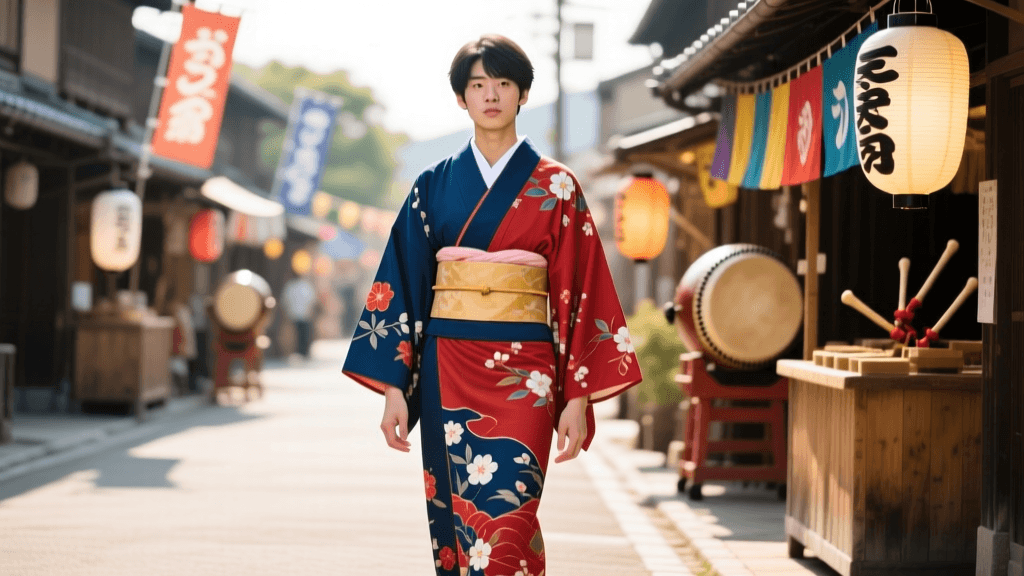
The Heartbeat of Summer: Japanese Matsuri and Performance Wear
Summer in Japan is a season defined by the rhythmic beating of taiko drums, the scent of street food, and the vibrant explosion of traditional festival wear. Known collectively as matsuri, these festivals are not merely celebrations; they are deeply rooted cultural performances where communities come together to honor deities, ancestors, and the changing seasons. At the center of these dynamic events are two iconic garments: the energetic happi coat and the elegant yukata. Understanding the nuances, history, and practical application of these garments is essential for anyone looking to participate authentically in Japanese summer traditions.
According to the Japan National Tourism Organization, over 300,000 traditional festivals take place across Japan annually, each with distinct regional costumes, choreography, and textile traditions. Whether you are preparing to carry a mikoshi (portable shrine) in Tokyo, dance the Awa Odori in Tokushima, or participate in a local Bon Odori circle, selecting the right performance costume requires an understanding of both function and cultural etiquette.
The Happi Coat: Uniform of the Energetic Performer
The happi (法被) is a traditional Japanese straight-sleeved coat, characterized by its bold lapels, open front, and striking back crests. Originally worn during the Edo period (1603–1867) by house servants and hikeshi (firefighters) to display their clan or employer's mon (crest), the happi has evolved into the quintessential uniform for high-energy festival performances.
Anatomy and Sizing of the Happi
Unlike the highly tailored kimono, the happi is designed for a wide range of motion, making it ideal for the vigorous movements required in shrine-carrying and energetic dances. Most modern festival happi are sold as 'free size,' but understanding the measurements is crucial for a proper fit:
- Standard Length: Typically measures 80 cm to 85 cm from the nape of the neck to the hem, falling around the mid-thigh.
- Width (Yuki): The sleeve span usually measures around 106 cm, providing a loose, boxy fit across the shoulders.
- Nagahappi (Long Happi): For taller individuals or specific regional dances, the nagahappi measures 110 cm to 120 cm in length, offering more coverage while maintaining mobility.
When purchasing a happi for performance, look for garments made from a cotton-polyester blend. While 100% cotton is traditional and highly breathable, a 65% polyester / 35% cotton blend resists heavy wrinkling and sweat stains during hours of vigorous dancing, and typically costs between 3,500 and 8,000 JPY ($25 to $55 USD).
Yukata: Elegance in Motion for Bon Odori
While the happi dominates high-octane shrine festivals, the yukata is the undisputed star of Bon Odori (the traditional dances of the Obon festival) and evening fireworks displays. Originally a bathrobe worn by the aristocracy in the Heian period, the yukata transformed into the casual summer cotton kimono of the masses. Today, it serves as a beautiful, flowing canvas for festival dancers.
Sizing and Tailoring for Dance
Wearing a yukata for performance requires specific adjustments to ensure the garment does not restrict movement or unravel during the dance. The Victoria and Albert Museum notes that the structural integrity of the kimono silhouette relies heavily on the ohashori—the adjustable fold of fabric at the waist.
Actionable Measurement Guide:
- Mitake (Garment Length): Measure from the base of your neck (the prominent vertebra) down to your ankle bone. Subtract 10 cm to allow for the ohashori fold. For a dancer who is 160 cm tall, the ideal yukata length is roughly 130 cm.
- Miyatsukuchi (Side Slits): Women's yukata feature open slits under the arms. Ensure these are properly aligned and tied down with the koshihimo (waist ties) to prevent the sleeves from catching on your hands during sweeping dance gestures.
Fabric Choices for Performance
Traditionalists favor ro or sha (woven gauze) and pure cotton for their superior breathability. However, for active Bon Odori performances, a high-quality polyester komon (fine-patterned) yukata is highly recommended. Polyester dries rapidly if you sweat, holds its shape without constant adjusting, and allows for vibrant, colorfast prints that pop under festival lantern light.
Comparison Chart: Happi vs. Yukata for Festival Goers
Choosing between a happi and a yukata depends largely on the specific festival, your role in the performance, and the time of day. Below is a structured comparison to help you decide.
| Feature | Happi Coat | Yukata |
|---|---|---|
| Primary Use | Shrine carrying, energetic dances, daytime parades | Bon Odori dances, evening strolls, fireworks viewing |
| Material | Heavy cotton, canvas, poly-blends | Lightweight cotton, hemp, polyester blends |
| Fastening | Simple front tie belt (himo) | Obi sash (requires specific knotting techniques) |
| Average Cost | $25 - $80 USD | $40 - $150 USD (excluding accessories) |
| Footwear | Tabi and Jika-tabi (split-toe boots) or bare feet | Geta or Zori sandals with bare feet |
| Mobility | Maximum (allows for deep squatting and jumping) | Moderate (restricts stride length, requires gliding steps) |
Regional Performance Costumes: Beyond the Basics
Japan's regional festivals feature highly specialized variations of these base garments. Understanding these regional nuances adds depth to your cultural appreciation.
Awa Odori (Tokushima)
The Awa Odori is one of Japan's largest dance festivals. Male dancers typically wear a short, indigo-dyed happi or a cropped yukata paired with tobi (tight-fitting construction trousers) and straw sandals. Female dancers wear specialized, vibrant yukata with a unique tokusawa (a stiff, decorative obi tied at the back) and balance an amigasa (woven straw hat) on their heads.
Nebuta Matsuri (Aomori)
In northern Japan, the Nebuta Matsuri features haneto dancers who leap wildly alongside massive illuminated floats. The haneto costume is a distinct, short-sleeved yukata-like garment worn over bloomers, paired with a straw hat adorned with flowers, and a sash filled with small bells that chime with every jump. According to Web Japan, these regional costumes are deeply tied to local agricultural and spiritual histories, serving as a bridge between the living and the ancestral spirits.
Practical Guide: Renting vs. Buying Your Festival Wardrobe
If you are visiting Japan specifically for the summer festival season, deciding whether to rent or buy your garments is a practical necessity.
Timing and Purchasing
If you plan to buy, timing is everything. Department stores and specialty kimono shops release their summer collections in early May. By late July, popular sizes and traditional patterns (like morning glories, fireworks, and goldfish) are often sold out. Expect to spend around 10,000 to 15,000 JPY ($65 to $100 USD) for a complete, high-quality yukata set, including the obi, koshihimo ties, and geta sandals.
Renting for Convenience
For tourists, renting is a highly practical option, especially in cultural hubs like Kyoto, Kanazawa, and Tokyo's Asakusa district. Rental shops offer professional dressing services (kitsuke), ensuring your ohashori is perfectly folded and your obi is securely tied for a full day of dancing.
- Cost: 3,000 to 5,500 JPY ($20 to $35 USD) for a standard package.
- Inclusions: Yukata, obi, undergarments (juban), sandals, and a kinchaku (drawstring bag).
- Timing: Book at least two weeks in advance for peak festival weekends, and arrive at the shop by 10:00 AM to secure the best pattern selection.
Footwear and Accessories: Completing the Look
A festival costume is incomplete without the proper accessories, which serve both aesthetic and functional purposes during performances.
- Geta and Zori: Wooden geta sandals are the standard footwear for yukata. For performance, ensure the hanao (thongs) are made of soft, broken-in cotton to prevent blistering during hours of dancing.
- Tabi: Split-toe socks are mandatory if you are wearing a happi with traditional footwear. White cotton tabi are standard, though black is sometimes worn by men in specific regional dances.
- Uchiwa and Sensu: The rigid uchiwa (paddle fan) is not just for cooling; in many Bon Odori routines, it is used as a percussive prop or a visual extension of the dancer's arms.
- Kinchaku: A small cotton drawstring bag used to carry personal items, as yukata and happi lack functional pockets.
"The yukata is not merely a summer garment; it is a canvas of seasonal poetry, reflecting the fleeting beauty of the Japanese summer and the communal joy of the matsuri."
Cultural Etiquette and Respect in Festival Attire
When wearing traditional Japanese garments, adhering to cultural etiquette is a sign of respect. The most critical rule, often referred to as migi-mae, dictates that you must always wrap the left side of the garment over the right side. Wrapping the right side over the left is strictly reserved for dressing the deceased for burial. Making this mistake at a joyous summer festival is considered highly inauspicious and disrespectful.
Additionally, when sitting or resting during a festival, be mindful of your hemline. If wearing a yukata, cross your ankles neatly and use your hands to smooth the front panels over your knees to maintain the garment's structure and modesty. For happi wearers participating in shrine rituals, it is customary to bow deeply to the shrine priests and fellow carriers before donning the coat, acknowledging the sacred nature of the performance.
Conclusion
Whether you are tying the simple cotton belt of a happi to join the roaring crowd of a mikoshi parade, or carefully adjusting the ohashori of your yukata for a graceful Bon Odori dance, these garments are your passport into the heart of Japanese culture. By understanding the measurements, material choices, and cultural significance of these festival costumes, you transition from a mere observer to an active, respectful participant in Japan's most vibrant living traditions.