Neo-Hanbok & Modern Qipao: 2026 Global Fashion Media Trends
The 2026 Editorial Shift: From Costume to Couture
In the landscape of 2026 global fashion media, the representation of Asian traditional garments has undergone a radical and necessary evolution. No longer confined to the realms of thematic costume parties or reductive Orientalist tropes, the Neo-Hanbok and the modern Qipao (Cheongsam) have firmly claimed their space on the pages of high-fashion editorials. Publications such as Vogue, Harper's Bazaar, and Elle are now collaborating directly with heritage-trained designers to present these garments as living, breathing components of the contemporary luxury wardrobe. This shift is not merely aesthetic; it is a structural reimagining of how Eastern silhouettes interact with Western tailoring, driven by a demand for authentic cultural narratives and sustainable luxury.
The 2026 editorial directive is clear: honor the historical architecture of the garment while aggressively pushing its material and structural boundaries. Stylists and creative directors are moving away from literal, head-to-toe traditional ensembles, opting instead for modular styling that integrates heritage pieces into everyday high-fashion contexts. This approach requires a deep understanding of garment construction, fabric behavior, and the cultural significance of specific design elements.
Deconstructing the Neo-Hanbok for the Modern Runway
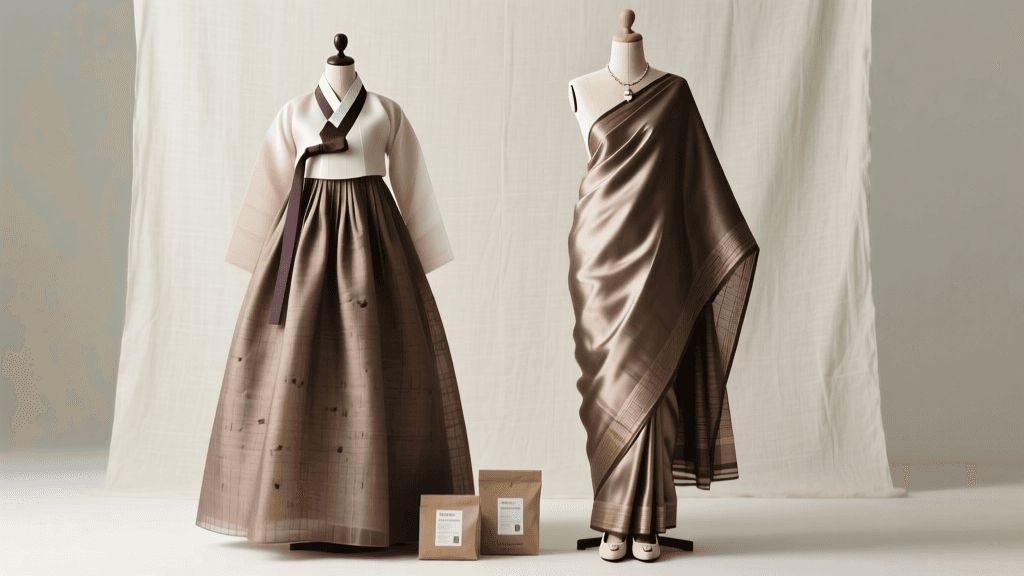
The traditional Hanbok, characterized by its vibrant colors and simple lines without pockets, has been a staple of Korean ceremonial wear for centuries. However, the 2026 editorial focus is squarely on the Neo-Hanbok, a movement pioneered by designers who deconstruct the classic jeogori (jacket) and chima (skirt) to create avant-garde silhouettes. In recent high-fashion spreads, the jeogori is frequently cropped to exactly 18 inches at the natural waist, featuring structured, padded shoulders that echo 1980s power dressing while maintaining the traditional V-neckline and goreum (ribbon ties).
Fabric innovation is at the heart of the 2026 Neo-Hanbok editorial trend. Instead of traditional stiff silks, stylists are utilizing sustainable peace silk, recycled cupro, and lightweight technical organzas. These materials allow the voluminous chima to drape with a liquid fluidity that photographs beautifully in motion. According to foundational textile archives at the Victoria and Albert Museum, the historical Hanbok relied heavily on the natural stiffness of hemp and ramie to hold its bell-like shape; the 2026 modern interpretation subverts this by using weighted hems and internal corsetry to achieve volume without bulk.
Editorial styling in 2026 frequently pairs a cropped, structural Neo-Hanbok jacket with unexpected bottom halves. High-waisted, wide-leg wool trousers or tailored leather midi skirts are now the preferred counterparts to the jeogori, creating a striking juxtaposition between heritage softness and urban edge. This styling technique has been heavily featured in Parisian and Milanese fashion week street style coverage, signaling the garment's transition from ceremonial wear to a staple of the global fashion elite.
The Avant-Garde Qipao: Reimagining the Silhouette
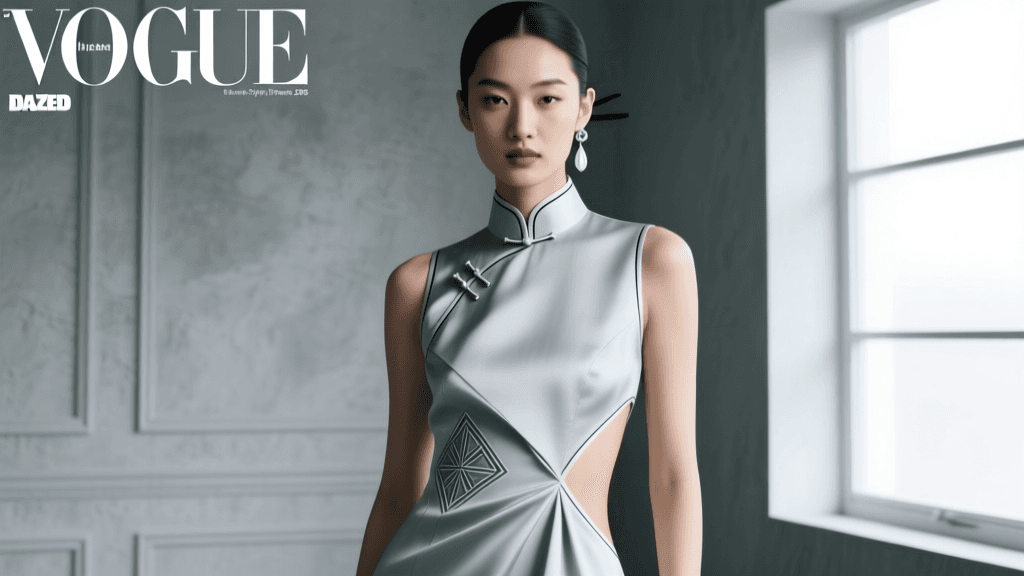
Parallel to the Hanbok's evolution, the modern Qipao (or Cheongsam) has experienced a renaissance in 2026 fashion media. Historically defined by its form-fitting silhouette, high mandarin collar, and asymmetrical pankou (frog fastenings), the Qipao was often narrowly portrayed in Western media through a mid-century, hyper-feminine lens. Today's editorial spreads dismantle this stereotype, presenting the Qipao as a canvas for intellectual, avant-garde fashion statements.
Designers like Samuel Guì Yang and Guo Pei have been instrumental in this shift, and their 2026 collections are heavily referenced by top-tier fashion editors. The modern editorial Qipao features deconstructed collars—often reduced to a precise 1.5-inch height or removed entirely to expose the clavicle—and asymmetric hemlines that reveal layered petticoats or structured leggings. The historical silhouettes documented by the Metropolitan Museum of Art showcase the Qipao's evolution from the loose, A-line garments of the 1920s to the tailored fits of the 1950s; 2026 editorials are now merging these eras, combining the relaxed drop-shoulder of the 1920s with the high-slit drama of the 1950s.
Furthermore, the pankou fastenings are no longer just functional closures; they are being scaled up into oversized, sculptural hardware made from carved jade, recycled brass, or 3D-printed bio-resins. This hardware-focused approach aligns perfectly with the 2026 luxury market's obsession with tactile, artisanal details, as noted in recent industry analyses by the Business of Fashion regarding sustainable material innovation in high-end accessories.
2026 Editorial Styling Matrix: Neo-Hanbok vs. Modern Qipao
To understand how global fashion media is styling these garments, it is essential to break down the specific adaptations and pairings that define the 2026 aesthetic. The following matrix outlines the key differences in editorial treatment between the two garments.
| Garment Element | Traditional Form | 2026 Editorial Adaptation | Recommended Styling Pairing |
|---|---|---|---|
| Jeogori (Hanbok Jacket) | Long, covering hips, wide sleeves, soft shoulders | Cropped to 18 inches, structured padded shoulders, hidden magnetic closures | High-waisted wide-leg wool trousers or tailored leather midi skirts |
| Chima (Hanbok Skirt) | High-waisted, bell-shaped, stiff silk or ramie | Drop-waist, liquid cupro drape, weighted hems, internal corsetry | Fitted turtlenecks, combat boots, or minimalist leather mules |
| Qipao Collar | High, stiff mandarin collar (2-3 inches) | Reduced 1.5-inch height, deconstructed, or entirely collarless | Layered over sheer mesh tops or worn with statement ear cuffs |
| Pankou (Fastenings) | Small, functional fabric knot buttons | Oversized sculptural hardware (jade, brass, bio-resin), asymmetric placement | Minimalist jewelry to allow the hardware to serve as the focal point |
| Qipao Hemline | Ankle or calf-length, modest side slits | Asymmetric, thigh-high slits, modular detachable panels | Structured leggings, sheer tights, or architectural platform footwear |
Actionable Guide: Building a Neo-Traditional Wardrobe
For fashion enthusiasts and collectors looking to incorporate these editorial trends into their personal wardrobes in 2026, the key is to invest in modular, high-quality pieces that can be styled in multiple ways. The era of buying a traditional garment solely for a single cultural event is over; the modern consumer demands versatility and everyday wearability.
Investing in the Neo-Hanbok
Start with the jeogori. A high-quality, contemporary cropped jacket from a recognized Neo-Traditional designer will typically cost between $450 and $850 in 2026. Look for pieces that utilize hidden magnetic closures instead of traditional tying, which makes dressing significantly easier while maintaining the clean lines of the V-neck. When measuring for a custom or made-to-measure piece, ensure the shoulder seam sits exactly at the edge of your natural shoulder to support the structured silhouette, and request a hemline that hits precisely two inches above your navel to allow for high-waisted bottom pairings.
Curating the Modern Qipao
The modern Qipao is an investment in tailoring. Expect to pay between $800 and $1,500 for a designer piece that features the 2026 hallmark of deconstructed elements. When shopping, prioritize garments made from stretch-woven silk blends or sustainable Tencel, which offer the body-skimming fit of the traditional Qipao but with the comfort required for all-day wear. Pay close attention to the slit placement; a 2026 editorial staple is the double-slit Qipao, which features slits on both the left and right seams, allowing for greater mobility and a more dynamic drape when walking.
Fabric Care and Maintenance
The advanced textiles used in 2026 Neo-Traditional garments require specific care to maintain their structural integrity. Peace silk and recycled cupro should never be machine washed. Instead, opt for professional wet cleaning—a more environmentally friendly alternative to traditional perc dry cleaning that preserves the natural luster of the fibers. For garments with sculptural pankou or hardware, always store them flat or on heavily padded hangers to prevent the heavy closures from warping the delicate fabric over time.
The Role of Authentic Casting and Creative Direction
Beyond the garments themselves, the 2026 fashion media landscape has fundamentally changed how these editorials are produced. There is now a strict industry standard mandating the use of authentic cultural consultants and heritage-trained stylists on set. This ensures that the styling choices—such as the direction of the garment's wrap or the symbolic meaning behind specific embroidery motifs—are respected and accurately represented. The global fashion press has recognized that true innovation in Neo-Traditional fashion does not come from erasing the garment's history, but from deeply understanding it and propelling it into the future.
As we move through 2026, the integration of the Neo-Hanbok and the modern Qipao into global fashion media stands as a testament to the power of cultural exchange when guided by respect, expertise, and visionary design. These garments are no longer just artifacts of the past; they are the cutting edge of contemporary luxury fashion.