Xin Zhongshi Wardrobe 2026: Building Your New Chinese Style Capsule
The Evolution of Xin Zhongshi in 2026
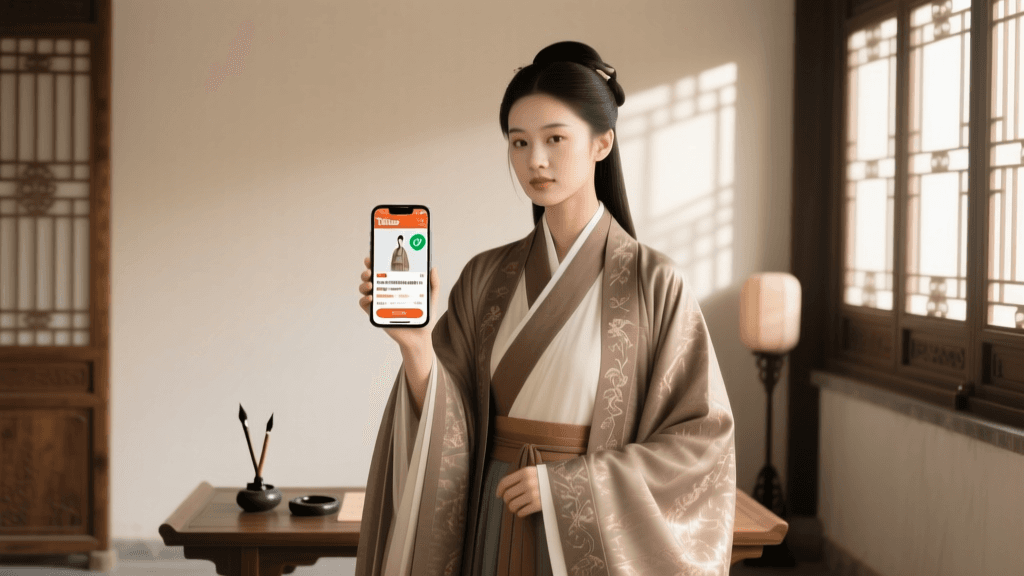
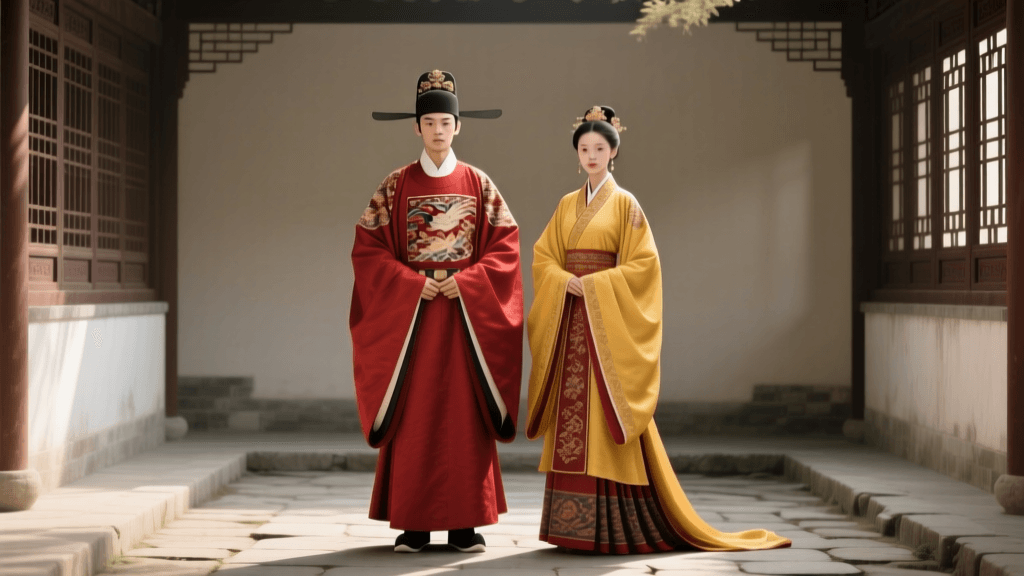
Xin Zhongshi (新中式), or "New Chinese Style," has undergone a remarkable transformation over the past few years. What began as a niche aesthetic blending traditional Hanfu elements with streetwear has matured into a sophisticated, globally recognized fashion movement by 2026. Today, Xin Zhongshi is no longer about wearing a costume; it is about integrating the philosophical elegance, heritage textiles, and structural motifs of Chinese antiquity into the modern, fast-paced wardrobe. For the contemporary professional, this means embracing architectural standing collars, subtle frog button (Pan Kou) closures, and heritage silks that offer both breathability and structural drape.
Building a Xin Zhongshi capsule wardrobe for the office and daily life in 2026 requires a keen understanding of fabric behavior, silhouette balancing, and the historical weight of the garments you choose. This deep dive will guide you through curating a versatile, high-quality collection that honors Asian traditions while meeting the demands of modern living.
Core Heritage Textiles for the Modern Capsule
The foundation of any authentic Xin Zhongshi wardrobe lies in its textiles. In 2026, the focus has shifted heavily toward sustainable, historically significant fabrics that have been adapted for everyday wearability.
Xiangyunsha (Gambiered Canton Gauze)
Often referred to as "soft gold," Xiangyunsha is a highly prized silk fabric originating from Guangdong province. It is dyed using the juice of the薯莨 (Shuliang) yam and coated with iron-rich mud from specific riverbeds, resulting in a unique, dual-toned fabric. One side is a rich, glossy black, while the reverse is a matte, earthy brown. In 2026, contemporary mills have refined the traditional finishing process to make Xiangyunsha softer against the skin while retaining its signature crisp, paper-like drape. It is naturally antibacterial, moisture-wicking, and incredibly durable, making it the ultimate luxury textile for summer and early autumn office wear.
Song Brocade (Song Jin)
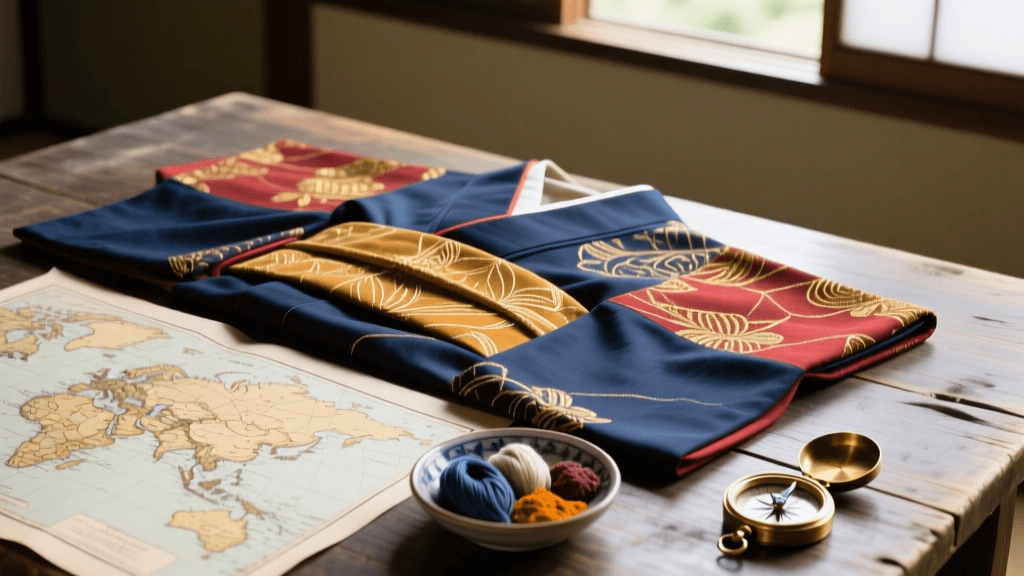
Recognized for its intricate, multi-colored geometric and floral patterns, Song Brocade is a masterpiece of ancient weaving. While traditionally reserved for ceremonial garments or mounting scrolls, modern 2026 textile innovations have introduced lightweight, matte-finish Song Jin blends. These are frequently used as accent panels on blazers, or for structured midi skirts, providing a subtle nod to the sericulture and silk craftsmanship of China without overwhelming a minimalist outfit.
The 2026 Xin Zhongshi Office Capsule: A Breakdown
To build a functional wardrobe, you need pieces that transition seamlessly from a corporate boardroom to an evening gallery opening. Below is a curated table of the five essential Xin Zhongshi garments for 2026, complete with styling notes and current market pricing for authentic, high-quality pieces.
| Garment Type | Heritage Element | Modern 2026 Adaptation | Est. Price (USD) |
|---|---|---|---|
| Mao-Collar Blouse | Standing collar, hidden placket | Cut from heavy silk crepe with a relaxed, dropped-shoulder fit for layering under blazers. | $120 - $180 |
| Xiangyunsha Wide-Leg Trousers | Gambiered silk, paper-like drape | High-waisted, pleated front with a tapered ankle. Features a matte-black finish for corporate settings. | $250 - $400 |
| Modern Mamian (Horse-Face) Skirt | Pleated side panels, flat front/back | Midi-length, constructed from lightweight wool-silk blends with subtle, tonal jacquard patterns. | $180 - $300 |
| Pan Kou Cardigan | Traditional knot buttons | Merino wool blend with oversized, matte-resin Pan Kou closures. Features a cropped, boxy silhouette. | $150 - $220 |
| Silk-Blend Trench Coat | Yuanling (round collar) influence | Water-resistant cotton-silk exterior with a removable Song Brocade inner lining and hidden magnetic closures. | $450 - $650 |
Drape Analysis and Silhouette Balancing
One of the most common mistakes when adopting Xin Zhongshi is ignoring the structural properties of heritage fabrics. Traditional Chinese garments were historically cut flat, relying on the natural drape of the silk and the wearer's posture to create shape, rather than utilizing Western darts and bias cuts.
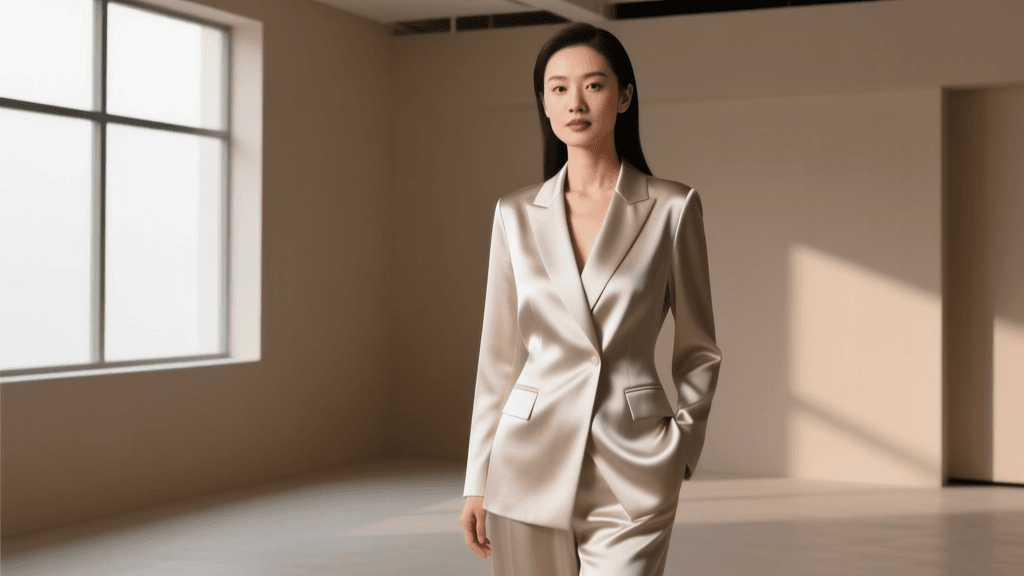
When styling Xiangyunsha trousers or skirts, it is crucial to understand that the fabric possesses a "crisp" drape. It does not cling to the body like jersey or charmeuse. Therefore, in 2026, designers are utilizing architectural seaming and deep box pleats to give the fabric volume and movement. If you are pairing a crisp Xiangyunsha bottom with a top, balance the silhouette with a softer, fluid fabric on top, such as a lightweight mulberry silk blouse or a fine-knit cashmere sweater. This contrast in textures—matte against gloss, crisp against fluid—is the hallmark of advanced Xin Zhongshi styling.
Furthermore, the modern Mamian skirt has been re-engineered for the contemporary stride. While ancient horse-face skirts featured heavy, floor-length pleats that required a specific gliding walk, the 2026 midi versions utilize heat-set pleating techniques and lighter wool-silk yarns. This ensures the pleats remain sharp and do not tangle around the ankles during a brisk commute, a detail highly valued by urban professionals. Institutions like the Victoria and Albert Museum's Asian collections frequently highlight how historical garments were engineered for specific social contexts; modern Xin Zhongshi successfully translates this engineering for the kinetic energy of the 21st-century city.
Footwear and Accessory Pairings
Footwear can make or break a Xin Zhongshi ensemble. The goal is to avoid looking as though you are heading to a historical reenactment. In 2026, the preferred footwear for New Chinese Style leans heavily into minimalist, structured leather goods.
- For the Office: Square-toed leather loafers or minimalist Mary Janes in oxblood or black. The structured geometry of a square toe complements the clean, linear lines of the Mao collar and the flat panels of the Mamian skirt.
- For Evening: Sleek, pointed-toe ankle boots with a sculptural, curved heel. The subtle curve of the heel mimics the elegant arch of traditional Chinese roof eaves and the curved lines of antique hairpins.
When it comes to accessories, less is more. The intricate patterns of Song Brocade and the rich texture of Xiangyunsha require breathing room. Opt for a single piece of high-quality Hetian jade set in matte 18k gold, or a modern enamel bangle that picks up a secondary color from your garment's jacquard weave. Avoid overly ornate, mass-produced "vintage" hair sticks; instead, use modern geometric metal hair cuffs to secure a low, twisted chignon.
Care and Maintenance of Heritage Blends
Investing in heritage textiles requires a commitment to proper garment care. The mud-dyeing process of Xiangyunsha, while incredibly colorfast against water, is sensitive to highly alkaline environments and prolonged UV exposure.
- Washing: Never machine wash Xiangyunsha or Song Brocade. Hand wash using a pH-neutral, silk-specific detergent in cool water (below 30°C / 86°F). Do not wring or twist the fabric; instead, gently press the water out and lay it flat on a clean, dry towel to air dry in the shade.
- Ironing: Always use a low-heat steam iron. Place a cotton pressing cloth between the iron and the silk to prevent "shining" or scorching the delicate fibers. For Xiangyunsha, steam is preferred over direct contact to maintain its unique, slightly textured hand-feel.
- Storage: Store your Xin Zhongshi pieces on wide, padded wooden hangers to support the shoulder seams of structured jackets. For skirts and trousers, fold them along their natural pleat lines and store them in breathable cotton garment bags. Include natural cedar blocks to deter moths, but avoid direct contact between the cedar and the silk to prevent oil transfer.
Conclusion
The Xin Zhongshi movement of 2026 represents a beautiful synthesis of reverence for the past and pragmatism for the future. By carefully selecting heritage textiles like Xiangyunsha and Song Brocade, understanding their unique draping properties, and pairing them with modern, minimalist tailoring, you can build a capsule wardrobe that is deeply rooted in Asian traditions yet entirely appropriate for the modern world. This is not merely a trend; it is a lasting sartorial philosophy that celebrates the quiet luxury and enduring elegance of Chinese craftsmanship.