Buying Authentic Ming Hanfu on Taobao: A 2026 Guide
The Evolution of the Hanfu Market in 2026
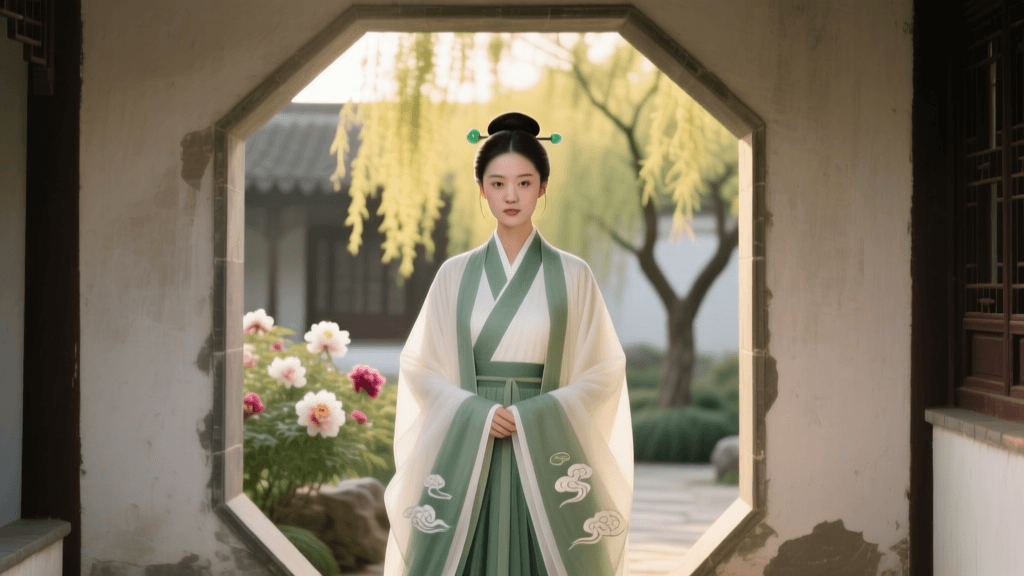
The global Hanfu renaissance has matured significantly over the last few years. As we navigate 2026, the international community of traditional garment enthusiasts has largely moved past the era of cheap, theatrical 'ancient style' costumes. Today, the focus is on historical accuracy, traditional weaving techniques, and museum-quality construction. Among the various dynastic styles, Ming Dynasty Hanfu remains the most sought-after for its elegant silhouettes, luxurious brocades, and seamless integration into modern daily wardrobes.
For international buyers, Taobao remains the undisputed epicenter for sourcing authentic garments directly from Chinese artisans and specialized workshops. However, navigating the platform requires a nuanced understanding of Chinese e-commerce, traditional tailoring metrics, and the modern logistics of cross-border shipping. This comprehensive guide will equip you with the knowledge to confidently purchase authentic Ming Dynasty Hanfu in 2026, avoiding fast-fashion knockoffs and ensuring your investment honors the rich heritage of Asian textile traditions.
The Enduring Appeal of Ming Silhouettes
The Ming Dynasty (1368–1644) is renowned for its structured, dignified, and highly layered clothing system. The most iconic garment to emerge from this era is the Mamianqun (horse-face skirt), characterized by its flat front and back panels flanked by deep, structured pleats. According to extensive historical analyses of the structural evolution of the Mamianqun, this design was not only aesthetically striking but highly functional for equestrian activities and layered winter wear.
In 2026, the Mamianqun has transcended historical reenactment to become a staple of global 'new中式' (New Chinese Style) fashion. Paired with a tailored Ao (a structured, lined jacket with a standing collar or cross-collar), the Ming silhouette offers a modest, regal profile that flatters a wide variety of body types. Furthermore, the modern Hanfu movement has heavily emphasized the revival of intangible cultural heritage techniques, meaning that purchasing from the right Taobao artisans directly supports the survival of traditional loom weaving and natural dyeing practices.
Trusted Taobao Artisans and Shops for 2026
The Taobao marketplace is flooded with vendors, but only a select few are recognized by the Hanfu community for their rigorous adherence to historical accuracy and premium material sourcing. When searching for authentic Ming garments, look for these established workshops:
- Minghuatang (明华堂): Widely considered the gold standard of Ming Hanfu. Minghuatang operates more like a bespoke atelier than a retail shop. Their garments feature meticulously replicated museum patterns, genuine silk brocades, and real gold-wrapped threads. Be prepared for premium pricing (often exceeding $500 USD per piece) and wait times that can stretch up to six months due to made-to-order weaving.
- Shisanyu (十三余): While Shisanyu is famous for its highly commercialized, fantasy-inspired 'Hanfu elements' lines, their dedicated historical reproduction tiers are excellent for mid-range buyers. They frequently collaborate with museums to release licensed, accurate reproductions of extant Ming textiles.
- Zhongling (钟灵记): A fantastic mid-tier option specializing in daily-wear Ming Hanfu. Their Mamianqun skirts are renowned for holding their pleats beautifully after washing, utilizing high-quality woven polyester-silk blends that offer durability without sacrificing the traditional drape.
- Tingyue Ju (听月小筑): Known for exceptional use of Xiangyunsha (gambiered Canton gauze), a premium, naturally dyed silk that is highly breathable and perfect for summer Ming-style Ao jackets.
The Post-2024 Agent Landscape: Shipping and Logistics
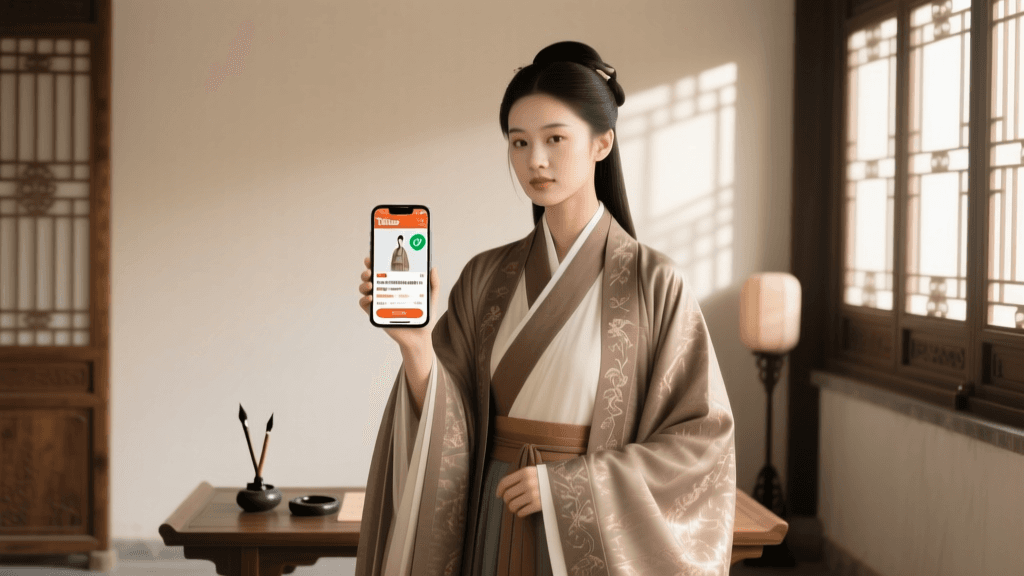
For international buyers, purchasing directly from Taobao requires the use of a shopping agent. The logistics landscape shifted dramatically following the legal shutdowns of major agents like Pandabuy in 2024. In 2026, the most reliable and stable platforms for consolidating Hanfu orders are Superbuy and CSSBuy.
The Agent Workflow for High-Value Textiles
- Sourcing: Paste the Taobao product URL into the agent's search bar. Use image search if you are trying to find a specific artisan's dupe or alternative.
- Quality Control (QC): This is the most critical step for traditional garments. Once the item arrives at the agent's warehouse, request detailed QC photos. For Ming Hanfu, specifically ask the agent to photograph the Zhuanghua (brocade weaving) up close to check for snagged metallic threads or misaligned warp patterns.
- Packaging: Traditional silk and structured collars can be crushed in standard international mailers. Always pay the extra fee for 'Bubble Wrap' or 'Hard Box' packaging to protect the standing collars of your Ao and the sharp pleats of your Mamianqun.
Sizing Guide: Traditional Flat-Cutting vs. Modern Tailoring
One of the most common pitfalls for Western buyers is applying modern sizing logic to traditional Hanfu. Authentic Ming garments utilize a 'flat-cutting' (平面裁剪) method. Unlike Western clothing, which uses darts and curved seams to contour to the body's three-dimensional shape, traditional Hanfu is cut from flat planes of fabric. It relies on generous ease, overlapping panels, and tie-fastenings to drape naturally over the body.
Do not simply select your standard US or EU size. You must measure yourself and compare your metrics to the garment's specific flat-lay measurements provided in the Taobao listing.
| Garment Component | Key Measurement | Traditional Fit Profile | 2026 Buying Tip |
|---|---|---|---|
| Ao (Jacket) | Bust & Sleeve Length | Generous ease, dropped shoulders, no darts | Add 10-15cm to your actual bust measurement for proper draping and layering. |
| Mamianqun (Skirt) | Waist & Length | High-waisted, wrap-around closure | Measure from your natural waist to your desired ankle length. Ensure the waistband is at least 10cm longer than your waist to allow for overlap. |
| Piling (Collar) | Neck Circumference | Snug but comfortable standing collar | Ensure 2-3cm of ease. Ming collars are stiff; a too-tight collar will chafe, while a too-loose one will collapse. |
| Sleeve Width | Wrist/Cuff Opening | Pipa sleeves (narrow at wrist, wide at arm) | Check the cuff measurement to ensure your hand can pass through comfortably, as traditional cuffs lack zippers or buttons. |
Decoding Fabrics: Zhuanghua vs. Digital Prints
The price disparity in Ming Hanfu is almost entirely dictated by the textile production method. Fast-fashion vendors often sell 'Hanfu elements' using Yinhua (印花), which is simply digital printing on cheap polyester. While affordable, it lacks the texture, weight, and historical legitimacy of true traditional garments.
When shopping for authentic pieces, look for the term Zhuanghua (妆花) in the product description. Zhuanghua is a highly complex tapestry weave technique originating from Nanjing, where colored wefts—often including genuine peacock feather threads or gold foil strips—are woven into the fabric only where the pattern requires it. This results in a heavy, richly textured brocade that catches the light dynamically. According to textile historians and cultural preservation advocates, supporting workshops that utilize authentic Zhuanghua looms is vital for keeping this intangible cultural heritage alive in the modern commercial market.
If genuine silk Zhuanghua is outside your budget, look for 'woven jacquard' (提花) polyester. While not a natural fiber, high-quality jacquard mimics the structural weave of brocade, providing the necessary weight and stiffness to make a Mamianqun pleat hold its shape, which flimsy printed polyester cannot achieve.
Care, Storage, and Customs in 2026
Investing in authentic Ming Hanfu requires a commitment to proper garment care. The structured collars and delicate metallic threads of Zhuanghua brocade are highly susceptible to damage from modern washing machines.
- Washing: Never machine wash authentic brocade. Spot clean minor stains with a damp cloth and mild silk detergent. For full cleaning, professional dry cleaning with a specialist who understands traditional Asian textiles is mandatory.
- Storage: Do not hang your Mamianqun on standard wire hangers, as the weight of the pleats will cause the waistband to stretch and the pleats to fall out. Store skirts folded along their natural pleat lines in breathable cotton garment bags with cedar blocks to deter moths.
- Customs and Duties: As of 2026, many international customs agencies have tightened scrutiny on high-value textile imports. When declaring your Taobao agent shipments, accurately describe the items as 'Silk Woven Garments' or 'Polyester Traditional Clothing' and declare the actual value to avoid seizure or heavy penalization fees. Be prepared to pay your local VAT or import duties upon arrival.
Final Thoughts
Sourcing authentic Ming Dynasty Hanfu on Taobao is a rewarding journey that connects you directly with the artisans preserving Asia's sartorial history. By understanding traditional flat-cutting metrics, recognizing genuine weaving techniques, and navigating the modern agent shipping landscape, you can build a historically accurate, breathtaking wardrobe that honors the past while making a striking statement in the present.