Hanbok Guide 2026: Everyday Saenghwal vs Ceremonial Styles
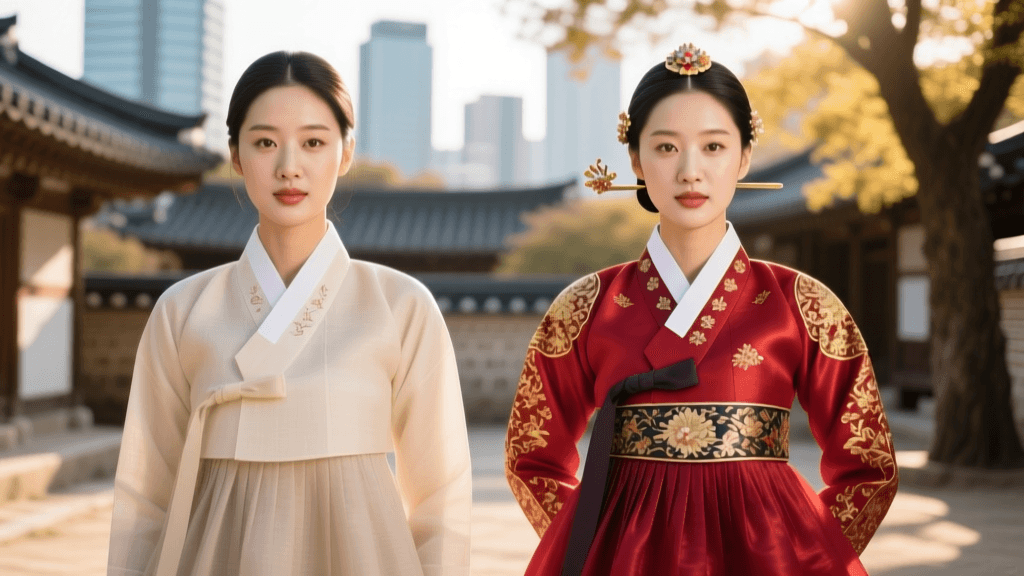
The global fascination with Korean culture has propelled the hanbok into the international fashion spotlight. As we navigate 2026, the distinction between everyday wear and ceremonial garments has never been more defined or more celebrated. The modern wardrobe often features the Saenghwal Hanbok (everyday hanbok), a pragmatic adaptation designed for daily life, while the Myeongjeol Hanbok (ceremonial and festive hanbok) remains a steadfast guardian of historical silhouettes and luxurious textiles. Understanding the nuances between these two categories is essential for anyone looking to integrate Korean traditional dress into their 2026 wardrobe, whether for a casual stroll through Seoul or a formal Chuseok gathering.
The Evolution of Saenghwal Hanbok (Everyday Wear)
The Saenghwal Hanbok movement, which gained significant momentum in the late 2010s, has fully matured by 2026 into a sophisticated sub-genre of sustainable fashion. Everyday hanbok prioritizes mobility, ease of care, and seamless integration with contemporary Western clothing. The traditional, voluminous chima (skirt) is often streamlined, featuring narrower hems, hidden side pockets, and ankle-grazing lengths that prevent tripping on modern pavements or subway grates. The jeogori (jacket) is tailored closer to the body, with shortened sleeves and simplified goreum (ties) that can be fastened with a single knot or replaced by discreet magnetic clasps.
In 2026, fabric innovation is at the forefront of the Saenghwal market. Designers are heavily utilizing machine-washable linen-cotton blends, recycled polyester crepes, and cruelty-free peace silk alternatives. These materials offer the matte, textured aesthetic of traditional myeongju (raw silk) but withstand the rigors of weekly laundering. Color palettes for everyday wear have also shifted toward the 'quiet luxury' trend, favoring muted earth tones, slate greys, deep olives, and soft pastels over the vibrant, high-contrast obangsaek (traditional five-color spectrum) historically reserved for festive occasions.
Ceremonial Hanbok: Preserving Heritage and Protocol
Conversely, ceremonial hanbok—worn during major holidays like Seollal (Lunar New Year) and Chuseok (Korean Thanksgiving), as well as weddings and first birthday celebrations (doljanchi)—strictly adheres to historical proportions and luxurious material standards. The silhouette is intentionally grand. The chima is heavily pleated and voluminous, requiring multiple layers of sokchima (underskirts) to achieve the iconic bell-like drape that signifies dignity and grace.
The textiles used in 2026 ceremonial wear remain opulent. Genuine silk, intricately woven brocades, and garments featuring geumbak (gold-leaf stamping) are standard. The jeogori is cut with a more generous fit, featuring longer, flowing sleeves and wide, elaborately knotted goreum that serve as a focal point of the garment. Layering is also a critical component of ceremonial dress; a magoja (outer jacket) or a durumagi (overcoat) is frequently added, not just for warmth, but to fulfill the traditional aesthetic of layered elegance. For deeper historical context on these ceremonial layers, the National Museum of Korea offers extensive archives on the evolution of court and festival garments.
The Cultural Significance of Color and Pattern
In ceremonial hanbok, color is never arbitrary. The traditional obangsaek (five cardinal colors: blue, red, yellow, white, and black) represents the balance of yin and yang and the five elements. While modern 2026 ceremonial wear often incorporates sophisticated jewel tones and metallic brocades, the underlying symbolism remains vital, particularly in wedding garments where the bride's red skirt and blue jacket symbolize the harmonious union of opposing cosmic forces. Conversely, everyday Saenghwal hanbok largely abandons these strict color codes, embracing global fashion trends like monochromatic dressing and seasonal palettes that align with contemporary outerwear.
Patterns also serve distinct roles. Ceremonial garments frequently feature auspicious motifs such as peonies (wealth and honor), cranes (longevity), and bats (good fortune), often woven directly into the silk brocade or applied via delicate gold-leaf stamping. Everyday garments favor subtle, micro-geometric prints, botanical florals, or remain entirely solid, allowing the structural beauty of the garment's cut to take center stage without overwhelming a casual environment.
Feature Comparison: Everyday vs. Ceremonial Hanbok
| Feature | Saenghwal (Everyday) | Myeongjeol (Ceremonial) |
|---|---|---|
| Primary Fabric | Linen, cotton blends, washable poly-crepe | Pure silk, brocade, geumbak (gold-leaf) |
| Skirt Volume & Length | Narrower hem, ankle-length, built-in pockets | Highly voluminous, floor-sweeping, requires underskirts |
| Jeogori Fit & Sleeves | Tailored, cropped, shorter sleeves | Generous drape, longer flowing sleeves |
| Fastenings & Ties | Simplified knots, hidden hooks, or magnets | Wide, elaborate goreum knots |
| Care & Maintenance | Machine washable (gentle cycle), air dry | Professional dry clean only, shade storage |
| 2026 Avg. Price Range | $120 - $250 USD | $400 - $1,200+ USD |
Styling and Accessorizing for the Modern Era
Styling everyday hanbok in 2026 is all about fusion. It is entirely acceptable—and highly encouraged—to pair a Saenghwal chima with a modern turtleneck, a crisp button-down shirt, or even a tailored blazer in place of the traditional jeogori. Footwear leans toward minimalist white sneakers, leather loafers, or ankle boots. Accessories are kept understated; a simple, modern norigae (traditional pendant) attached to a contemporary crossbody bag bridges the gap between eras. For more inspiration on modern cultural integration, the Korea Tourism Organization frequently highlights contemporary hanbok styling in their cultural guides.
Ceremonial styling, however, demands respect for traditional accessories. The outfit is completed with hwa or hye (traditional embroidered shoes), often crafted from premium leather or silk. Hair is typically styled in a neat braid adorned with a daenggi (ribbon) or, for married women and brides, a jokduri (ceremonial coronet). The norigae worn with ceremonial hanbok is larger, featuring intricate knotting (maedeup), jade, or amber, and is tied directly to the goreum of the jeogori.
Buying Guide and Cost Expectations in 2026
Purchasing a hanbok requires knowing where to look based on your needs. For high-quality Saenghwal Hanbok, online platforms and contemporary Korean fashion boutiques offer the best variety. Brands focusing on sustainable, everyday traditional wear often price their sets between $120 and $250 USD. These are usually sold as separates, allowing buyers to mix and match skirts and jackets to maximize wardrobe versatility.
For ceremonial garments, specialized boutiques in areas like Bukchon Hanok Village in Seoul or established online heritage brands are the preferred destinations. Because of the premium silks, hand-embroidery, and structural underskirts required, a complete ceremonial set in 2026 typically ranges from $400 to over $1,200 USD. Custom tailoring is highly recommended for ceremonial wear to ensure the goreum sits perfectly at the chest and the skirt breaks at the exact right point above the traditional shoes. The Korea Craft & Design Foundation is an excellent resource for discovering certified artisans and heritage brands that maintain these high standards of craftsmanship.
Caring for Your Garments
Maintenance is where the everyday and ceremonial paths diverge most sharply. Saenghwal hanbok is designed for the modern washing machine; using a gentle cycle with cold water and a mild, neutral detergent will preserve the linen and cotton blends. Air drying is recommended to prevent shrinkage and maintain the structural integrity of the seams. Ceremonial silk hanbok, however, must never be washed at home. Professional dry cleaning, specifically by cleaners experienced with traditional Korean garments and gold-leaf preservation, is mandatory. Between wears, ceremonial hanbok should be aired out in the shade and stored in breathable cotton garment bags with natural camphor to deter pests and prevent moisture damage.
Conclusion
The dichotomy between Saenghwal and ceremonial hanbok in 2026 highlights the dynamic nature of Asian traditional garments. By understanding the distinct purposes, fabrics, and styling rules of each, wearers can respectfully honor Korean heritage while seamlessly integrating its beauty into modern life. Whether you are slipping into a breathable linen skirt for a weekend coffee run or donning a voluminous silk ensemble for a family ancestral rite, the hanbok remains a living, breathing testament to cultural endurance and sartorial elegance.