Complete Guide to Japanese Kimono Types & Styling for 2026
The Global Resurgence of Japanese Traditional Garments
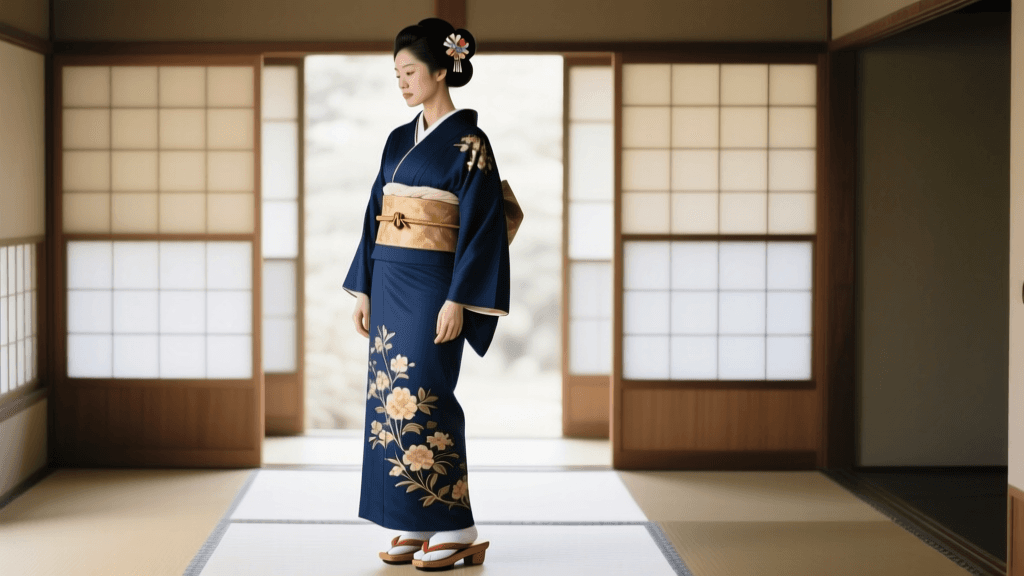
As we navigate through 2026, the global appreciation for Japanese traditional garments has reached unprecedented heights. No longer confined to historical reenactments or localized festivals, the kimono and its lighter counterpart, the yukata, have firmly established themselves in the international wardrobe of heritage fashion enthusiasts. Driven by a growing global commitment to sustainable, slow fashion and a deep respect for artisanal craftsmanship, collectors and stylists worldwide are seeking out authentic Japanese garments. According to the Japan National Tourism Organization, international interest in traditional textile workshops and kimono cultural experiences has surged, reflecting a broader desire to understand the intricate rules, history, and artistry behind these garments.
Whether you are a seasoned collector looking to acquire a vintage Showa-era piece or a newcomer attempting to navigate the strict formality hierarchy for an upcoming tea ceremony, understanding the nuances of Japanese garment types is essential. This comprehensive guide breaks down the anatomy, formality levels, sourcing strategies, and modern care techniques for Japanese kimono and yukata in 2026.
The Hierarchy of Japanese Kimono Formality
The Japanese kimono system is governed by a strict hierarchy of formality, dictated by fabric type, pattern placement, color, and the number of family crests (kamon). As noted by The Metropolitan Museum of Art, the evolution of these garments reflects centuries of social codes and aesthetic shifts. Here is the definitive breakdown of kimono types from most to least formal.
Kurotomesode and Irotomesode (Highest Formality)
The Kurotomesode is a black silk kimono featuring patterns only below the waist and adorned with five family crests. It is the most formal garment for married women, typically worn by the mother of the bride or groom at weddings. The Irotomesode follows the same structural rules but is made from colored silk rather than black, featuring three to five crests. It is worn by married or unmarried female relatives at highly formal celebratory events.
Furisode (Formal Wear for Unmarried Women)
Instantly recognizable by their dramatic, swinging sleeves, Furisode are the most formal kimono for young, unmarried women. The sleeves are categorized by length: kofurisode (approx. 75cm), chufurisode (approx. 90cm), and the highly formal ofurisode (approx. 115cm). In 2026, modern furisode designs frequently incorporate contemporary motifs, metallic threading, and 3D embroidery, making them highly sought after for Coming of Age Day (Seijin no Hi) and formal banquets.
Houmongi and Tsukesage (Semi-Formal Visiting Wear)
Houmongi (visiting wear) is a versatile, semi-formal kimono characterized by a continuous pattern that flows seamlessly across the back seams and sleeves. It is appropriate for both married and unmarried women attending tea ceremonies, weddings (as a guest), and gallery openings. Tsukesage is slightly less formal; its patterns are applied in a way that they do not cross the seams, keeping the designs confined to the lower half of the garment and the upper left sleeve.
Komon and Tsumugi (Casual and Everyday Wear)
Komon features a small, repeating pattern all over the fabric. It is considered casual wear, perfect for dining out, casual parties, or theater visits. Tsumugi refers to kimono made from pongee silk—a textured, slubbed silk that was historically considered commoner's wear. Despite its high cost and exquisite craftsmanship today, tsumugi remains strictly casual due to its historical roots, making it a favorite for everyday street styling and cultural workshops.
Yukata vs. Kimono: A Comprehensive Comparison
While international media often uses the term "kimono" as a catch-all, the yukata is a distinct garment with its own rules, construction, and cultural context. The Victoria and Albert Museum highlights the yukata's origins as a post-bath linen robe, which eventually evolved into the vibrant summer festival wear we see today. Below is a structured comparison to help you differentiate between the two.
| Feature | Traditional Kimono | Yukata |
|---|---|---|
| Primary Fabric | Silk, wool, high-grade synthetic blends | Cotton, hemp, lightweight polyester |
| Collar Style | Thick, stiff collar (requires a han-eri) | Soft, narrow, unlined collar |
| Undergarments | Requires nagajuban (full slip) and hadajuban | Worn directly over basic modern undergarments |
| Obi (Sash) | Fukuro or Nagoya obi (wide, heavily structured) | Hanhaba obi (narrow, soft, easy to tie) |
| Footwear | Zori (formal sandals) with white tabi socks | Geta (wooden clogs), bare feet or casual tabi |
| Occasion | Year-round, dictated by formality and lining | Summer festivals, fireworks, casual lounging |
| Average Cost (2026) | $300 - $3,000+ (depending on formality) | $40 - $150 (off-the-rack retail) |
Sourcing Authentic Garments in 2026
Acquiring authentic Japanese garments outside of Japan has become significantly more streamlined in 2026. The integration of AI-driven virtual fitting tools on major Japanese retail platforms now allows international buyers to input their height, shoulder width, and hip measurements to find garments with the correct mihaba (body width) and sode (sleeve) dimensions. When sourcing, keep the following actionable advice in mind:
- Vintage Markets: For beginners, vintage komon and tsumugi are the best entry points. Platforms like Ichiroya and specialized eBay sellers offer pristine, mid-century silk kimono ranging from $40 to $120. Always check for "smell" (mustiness) and "stains" in the listing photos, as silk degrades if stored improperly.
- Modern Retailers: Brands like Kimono Yamato and Fujiya-Ichinokura offer brand-new, washable synthetic and cotton kimono that mimic the drape of silk. These are excellent for travel and range from $200 to $500.
- Measurements Matter: A standard kimono length is roughly 150cm to 160cm. Unlike Western clothing, kimono are not tailored to the exact height of the wearer. Instead, the excess length is folded at the waist to create the ohashori (the visible tuck under the obi). Ensure the garment's total length is at least 10-15cm taller than your actual height to allow for a proper fold.
Essential Undergarments and Accessories
The silhouette of a kimono is not achieved by the outer garment alone; it is engineered through a complex system of undergarments and ties. To wear a kimono correctly in 2026, you must invest in the following foundational pieces:
- Susuyoki and Hadajuban: The base layer. The susuyoki is a wrap skirt that protects the kimono from body oils and static, while the hadajuban is a thin, breathable undershirt.
- Nagajuban: The main slip, usually made of silk or high-quality synthetic. It features a detachable collar (han-eri) that can be swapped out to match the season or formality of the outer kimono.
- Datejime and Koshihimo: These are the ties used to secure the garments. Koshihimo are thin, stretchy silk or muslin cords used to tie the waist, while datejime are wide, stiff sashes used to flatten the bust and secure the nagajuban.
- Obi-ita and Obi-makura: The obi-ita is a stiff board slipped into the obi to keep it perfectly flat and wrinkle-free, while the obi-makura is a small pillow used to support the elaborate knots (musubi) at the back.
Modern Care, Storage, and Maintenance
Preserving traditional Japanese garments requires specific environmental controls, especially as global climate patterns shift. Silk is highly susceptible to humidity, mold, and light damage. In 2026, the standard for kimono care revolves around preventative storage and specialized cleaning.
Storage: Never store a silk kimono on a plastic hanger or in a plastic garment bag, as this traps moisture and causes yellowing. Garments should be folded along their original seam lines and wrapped in tatoushi—traditional, acid-free Japanese paper that allows the fabric to breathe. For high-value pieces like furisode or kurotomesode, store the wrapped garments in a kiri (Paulownia wood) chest. Paulownia wood naturally regulates humidity and repels insects without the need for chemical mothballs, which can stain silk.
Cleaning: Do not attempt to hand-wash or dry-clean a silk kimono using Western methods. The garment must be disassembled, washed, and resewn—a traditional process known as maru-arai. Fortunately, several specialized mail-in services now operate internationally, offering eco-friendly, waterless cleaning alternatives for minor spot treatments and ozone deodorization, extending the life of vintage textiles without compromising their structural integrity.
By understanding the profound history, strict formality rules, and precise care requirements of these garments, you can confidently integrate Japanese traditional wear into your modern life, honoring the artisans who continue to keep these breathtaking textile traditions alive in 2026 and beyond.