Hanfu for Life Milestones: 2026 Rites & Ceremonies Guide
The Resurgence of Rites: Hanfu in 2026
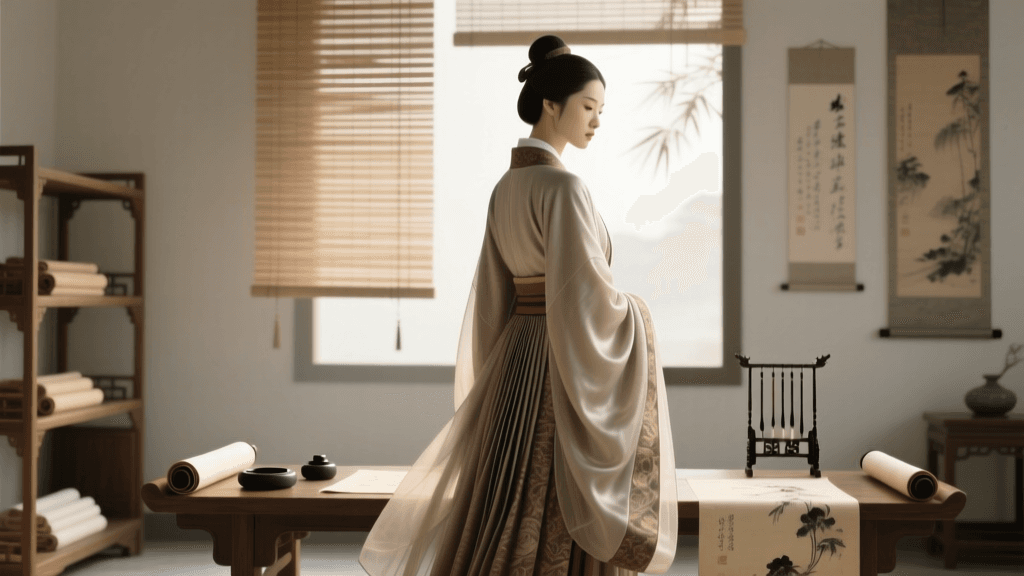
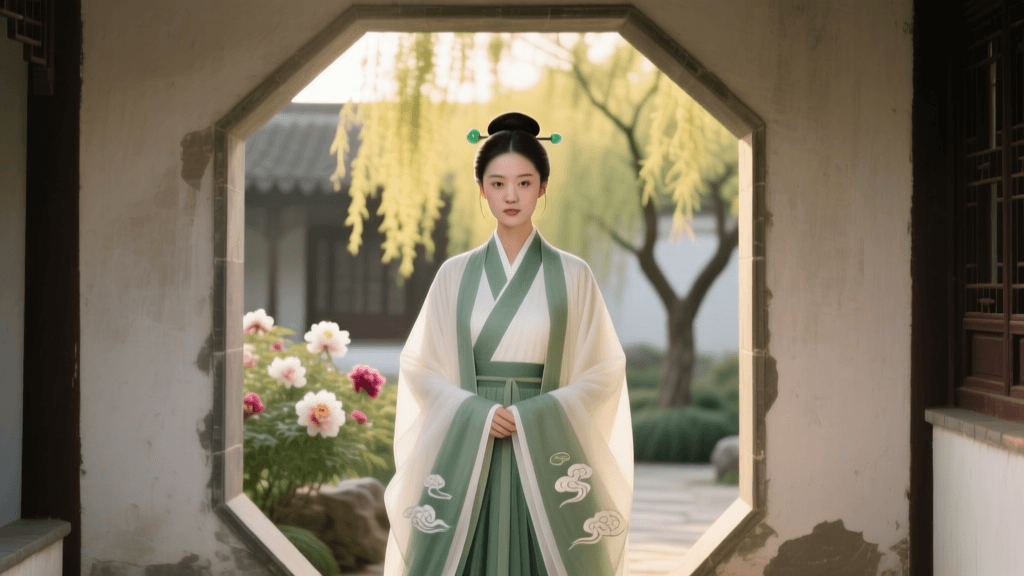
As we navigate through 2026, the Hanfu movement has matured far beyond casual streetwear and festival fashion. Today, traditional Han clothing is deeply integrated into the most significant life milestones, serving as a bridge between ancient Confucian philosophy and modern cultural identity. From coming-of-age ceremonies to weddings and academic graduations, selecting the appropriate Hanfu for these rites requires an understanding of historical protocols, contemporary fabric innovations, and precise tailoring. This comprehensive guide explores how to authentically and beautifully dress for life’s major transitions in 2026.
The Philosophical Foundation of Ceremonial Dress
In traditional Chinese culture, clothing is not merely decorative; it is a visual manifestation of morality, social order, and respect for the cosmos. The emphasis on ritual attire stems from ancient Confucian teachings, where proper dress was considered essential for maintaining harmony and showing reverence during pivotal life events. As noted by historians and cultural institutions, the rites of passage were designed to instill a sense of responsibility and societal duty in the youth, with each garment change symbolizing a new stage of maturity and ethical obligation. For a deeper understanding of these foundational philosophies, Britannica’s extensive archives on Confucianism detail how rites and ceremonies structured ancient societal norms, which continue to inspire modern ceremonial revivals today.
Coming of Age: Guan Li and Ji Li Ceremonies
The transition from childhood to adulthood is marked by the Guan Li (capping ceremony for men) and the Ji Li (hairpin ceremony for women). Traditionally held at age 20 for men and 15 for women, modern practitioners in 2026 often adapt these ceremonies for high school or university graduations.
The Three Additions (San Jia)
Both ceremonies follow the 'Three Additions' protocol, where the honoree changes garments three times, each representing a higher level of societal responsibility:
- First Addition: The honoree dons a simple, unadorned Zhongyi (inner garment) and a basic Ruqun or Shenyi (deep robe). For men, a simple Zhongzi (cloth cap) is added. This represents the innocence of youth and the foundation of filial piety.
- Second Addition: The attire shifts to darker, more formal robes, often a Duanda or a structured Beizi (jacket). Men receive a Pibian (leather cap). This symbolizes the readiness to take on civic duties and martial or scholarly responsibilities.
- Third Addition: The final change involves the most formal attire. Women are adorned with elaborate hairpins and a formal Ming Aoqun (jacket and skirt) or a grand Daxiushan (large-sleeved robe). Men receive the Juebian (formal ceremonial cap) and a grand Shenyi. This marks full entry into adult society, eligible for marriage and ancestral worship.
The Sacred Union: Hun Li (Wedding) Garments
Weddings in 2026 see a massive demand for historically accurate Hun Li attire, with couples moving away from mass-produced costumes toward bespoke, museum-quality garments. The two most popular dynastic styles for weddings are Tang and Ming.
Tang Dynasty Grandeur
Tang wedding Hanfu is characterized by its bold colors, sweeping silhouettes, and cosmopolitan flair. Brides often wear the Qixiong Ruqun (chest-high skirt) paired with a Daxiushan (large-sleeved translucent outer robe) in vibrant crimsons, golds, and deep greens. Grooms wear the Yuanlingpao (round-collar robe) with intricate floral brocade. In 2026, sustainable 'peace silk' (Ahimsa silk) is highly requested for Tang-style Daxiushan to achieve the necessary ethereal drape without compromising modern ethical standards.
Ming Dynasty Formality
The Ming dynasty style remains the gold standard for formal Chinese weddings. The bride’s Fengguan Xiapei (phoenix coronet and cloud cape) is a masterpiece of textile art. In 2026, advancements in 3D body scanning and AI-assisted pattern drafting have reduced the bespoke tailoring lead time for a full Ming bridal set from six months to just eight weeks. The groom typically wears a Feiyufu (flying fish robe) or a Mangpao (python robe) in deep reds or navy blues, featuring metallic thread weaving that catches the light beautifully during evening banquets.
Academic Milestones: Graduation in Shenyi
A major trend solidifying in 2026 is the adoption of the Shenyi (deep garment) for university graduation ceremonies. The Shenyi, which connects the upper and lower garments into one piece, symbolizes the unity of knowledge and moral integrity. Graduates are increasingly commissioning lightweight linen or cotton-linen blend Shenyi in subdued tones like slate grey, indigo, or bamboo green, wearing them beneath their modern academic regalia or as the primary attire for traditional campus farewell rites.
Xin Zhongshi Influences on 2026 Ceremonial Wear
The Xin Zhongshi (New Chinese Style) movement has subtly influenced ceremonial Hanfu in 2026, particularly for engagement dinners and pre-wedding tea ceremonies. While the main rites demand strict historical adherence, Xin Zhongshi allows for modern tailoring—such as hidden zippers, structured shoulders, and wrinkle-resistant silk blends—in garments like the Mamianqun (horse-face skirt). Brides in 2026 often pair a traditionally woven Song brocade Mamianqun with a modern, minimalist silk blouse for the bridal shower, perfectly balancing heritage with contemporary convenience.
2026 Fabric and Seasonal Selection Guide
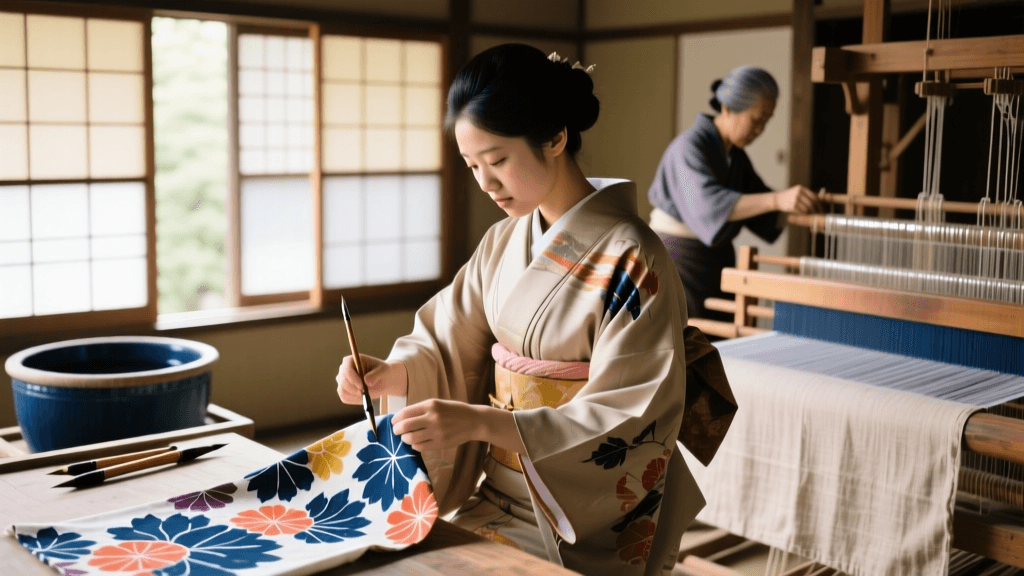
Choosing the correct fabric is vital for both the historical drape and the comfort of the wearer. The silk weaving techniques available today, many of which are documented in The Metropolitan Museum of Art's Silk Road timeline, allow for breathtaking ceremonial textiles. Below is a guide for 2026 milestone planning:
| Milestone / Rite | Season | Recommended Hanfu Style | Ideal 2026 Fabric Choice | Estimated Bespoke Cost (USD) |
|---|---|---|---|---|
| Guan Li / Ji Li (Coming of Age) | Spring / Autumn | Shenyi (Deep Robe) or Beizi | Mid-weight Mulberry Silk Crepe | $450 - $800 |
| Hun Li (Wedding - Ming Style) | Winter / Late Autumn | Aoqun with Fengguan Xiapei | Heavy Xiangyunsha (Gambiered Gauze) & Zhibeijin (Gold Brocade) | $2,500 - $5,000+ |
| Hun Li (Wedding - Tang Style) | Summer | Qixiong Ruqun & Daxiushan | Lightweight Peace Silk Organza & Lu (Gauze) | $1,200 - $2,800 |
| University Graduation | Early Summer | Shenyi or Yuanlingpao | Washed Linen or Cotton-Hemp Blends | $150 - $350 |
Sourcing, Tailoring, and Care in 2026
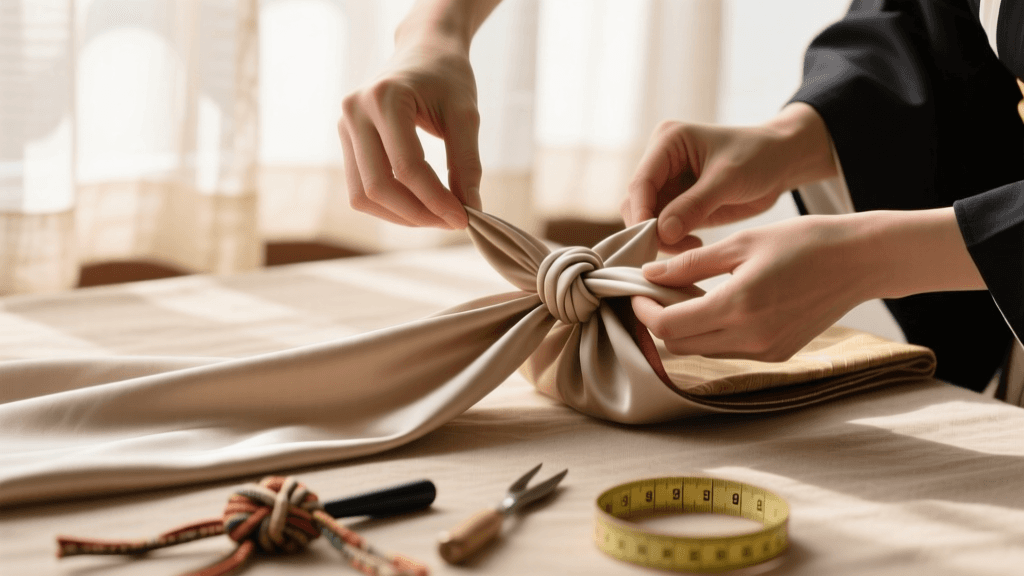
When sourcing ceremonial Hanfu in 2026, authenticity and construction quality are paramount. For weddings and coming-of-age rites, avoid off-the-rack 'costume' shops. Instead, seek out established ateliers in Hangzhou, Suzhou, or specialized international boutiques that offer custom measurements. Pay close attention to the Shengse (raw silk) treatment and the direction of the fabric grain, which dictates how the garment drapes during the complex movements of bowing and kneeling.
Storage and Maintenance
Ceremonial garments, especially those featuring metallic threads or delicate Xiangyunsha, require meticulous care. After the ceremony, garments should be gently aired out and never dry-cleaned with harsh modern chemicals, which can strip the natural sericin from the silk. Store your Hanfu flat in acid-free tissue paper inside camphor wood boxes to prevent moisture buildup and deter pests. For heavily embroidered Ming-style wedding jackets, use padded hangers if hanging is necessary, ensuring the weight of the embroidery does not distort the shoulder seams over time.
Conclusion
Dressing in Hanfu for life’s milestones in 2026 is a profound declaration of cultural continuity. Whether you are stepping into adulthood through the solemn Guan Li, uniting in marriage beneath a phoenix coronet, or celebrating academic triumphs in a flowing Shenyi, the garments you choose carry the weight of history and the promise of the future. By understanding the rites, respecting the textiles, and embracing the meticulous tailoring available today, you ensure that your most important life transitions are honored with unparalleled grace and authenticity. For further exploration of Asian textile heritage and traditional customs, the Smithsonian's National Museum of Asian Art remains an invaluable digital and physical resource for understanding the artistry behind these magnificent garments.