Historical Kimono Trade Routes: 2026 Sourcing Guide
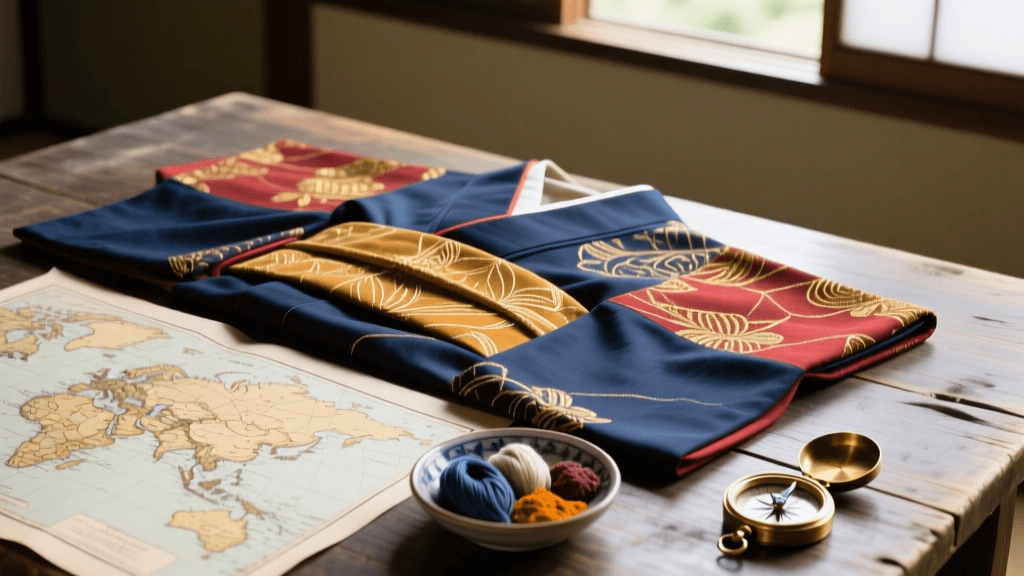
The Global Threads of Japanese Heritage
When we envision the traditional Japanese kimono, it is easy to imagine an isolated, purely domestic craft. However, the true history of Japanese garment making is deeply intertwined with global commerce. The luxurious silks, vibrant dyes, and intricate weaving techniques that define the kimono were heavily influenced by centuries of international trade. As of 2026, the artisanal textile market has experienced a massive renaissance, with collectors, museums, and restoration experts actively seeking out historically accurate materials that mirror these ancient imports. Understanding the historical trade routes is no longer just an academic exercise; it is a practical necessity for anyone involved in high-end kimono restoration, collection, or bespoke commissioning in 2026.
This comprehensive guide explores the overland and maritime trade routes that shaped Japanese textiles and provides actionable, up-to-date sourcing advice for acquiring authentic or historically accurate reproduction materials in today's market.
The Overland Silk Road and the Shosoin Legacy
Long before the kimono took its modern T-shape, the foundational textiles of Japan were imported via the legendary Silk Road. During the Nara and Heian periods, Japanese envoys and merchants traded extensively with Tang Dynasty China and the broader Asian continent. The Imperial Household Agency's Shosoin Repository in Nara houses stunning 8th-century examples of these imports, including Persian-inspired brocades featuring roundel motifs, hunting scenes, and exotic animal patterns woven in heavy, multi-colored silks.
These overland routes brought more than just finished fabrics; they introduced the raw materials and technological blueprints that would eventually birth Japan's domestic weaving industry. Chinese raw silk, metallic threads wrapped in gold leaf, and complex draw-loom technologies were imported and meticulously studied by Japanese artisans. According to the UNESCO Silk Roads Programme, the cultural exchange along these routes fundamentally altered the aesthetic trajectory of East Asian garments, shifting Japanese court attire from simple hempen weaves to lavish, heavily patterned silks that demanded new, sophisticated tailoring techniques.
Maritime Marvels: Nanban and Dutch East India Imports
While the overland routes provided early inspiration, the maritime trade routes of the 16th and 17th centuries revolutionized the sensory experience of Japanese clothing. The arrival of Portuguese and Spanish traders (the Nanban trade) and later the Dutch East India Company (VOC) introduced entirely new fibers and dyes to the Japanese archipelago.
Wool, Cotton, and Exotic Dyes
European traders brought rasha, a thick, fulled woolen cloth that was quickly adopted for winter garments, haori jackets, and even samurai armor underlays. Simultaneously, Indian chintz and cotton calicoes flooded into Japanese ports, providing a breathable, washable alternative to silk for the merchant classes. Perhaps the most transformative import was the cochineal insect from the Americas, which arrived via the Manila galleon trade. Cochineal produced a brilliant, colorfast crimson that Japanese dyers eagerly integrated into their yuzen and shibori techniques, creating the iconic deep reds seen in many Edo-period wedding uchikake.
Identifying Historical Imports in Vintage Kimono
For collectors and archivists operating in 2026, identifying the foreign origins of vintage kimono textiles requires a blend of traditional connoisseurship and modern technology. While domestic silk has a distinct luster and slub, imported historical materials often exhibit unique structural and chemical signatures.
- Weave Structure Analysis: Early imported Chinese brocades (kara-ori) often feature a tighter, more rigid warp-faced structure compared to the softer, weft-dominant domestic Nishijin weaves that evolved later. Look for continuous metallic threads rather than the cut-foil techniques developed domestically in the 17th century.
- Dye Spectrometry: In 2026, high-end collectors frequently utilize portable X-ray fluorescence (XRF) scanners to analyze vintage textiles. Detecting high concentrations of aluminum and specific organic markers can confirm the presence of cochineal or madder root, distinguishing imported or import-derived dyes from native safflower (benibana).
- Motif Tracking: Textiles featuring Southeast Asian batik patterns, European heraldic crests, or Persian floral arabesques woven directly into the silk (rather than dyed later) are strong indicators of maritime trade imports or direct commissions by Japanese merchants via the Dutch at Dejima.
2026 Sourcing Guide for Restorers and Collectors
Sourcing historically accurate materials for kimono restoration or bespoke creation in 2026 requires navigating a specialized network of heritage weavers and international dye houses. The Nishijin Textile Industrial Association in Kyoto has recently partnered with international silk cooperatives to revive the exact thread counts and twist tensions used in historical import replicas.
Sourcing Raw Silk and Metallic Threads
Authentic reproduction of Tang-style brocades requires specific grades of raw silk that are no longer mass-produced in Japan. In 2026, master weavers in Nishijin source heritage-breed raw silk from specialized cooperatives in Zhejiang, China, and specific wild silk varieties from India to replicate the uneven, textured slubs of ancient imports. Expect to pay a premium for these materials; authentic, historically accurate kara-ori reproduction fabric currently averages ¥180,000 to ¥250,000 per meter in the 2026 Kyoto market, reflecting the intense labor and imported raw material costs.
Reviving the Cochineal and Indigo Trade
For dyers seeking to replicate the vibrant crimsons of the Edo period, sourcing authentic cochineal is paramount. While synthetic alternatives exist, 2026's luxury kimono market demands natural authenticity. Specialized dye houses in Kyoto and Kanazawa now import organic, sun-dried cochineal directly from Oaxaca, Mexico, utilizing fair-trade maritime shipping routes that echo the historical galleon trades. Similarly, natural indigo (sukumo) is increasingly supplemented with imported Indian indigo to achieve the deep, multi-layered navy blues characteristic of late Edo merchant garments.
Material Comparison: Historical Imports vs. 2026 Equivalents
The following table outlines the primary historical imports that shaped kimono textiles and where restorers can source their modern, artisanal equivalents in 2026.
| Historical Import Material | Original Origin | Traditional Garment Use | 2026 Artisanal Sourcing Equivalent | Estimated 2026 Cost |
|---|---|---|---|---|
| Heavy Multi-colored Brocade | Persia / Tang China | Court robes, Obi sashes | Nishijin Kara-ori (Custom Loom) | ¥220,000 / meter |
| Rasha (Fulled Wool) | Portugal / Netherlands | Winter Haori, Armor lining | Heritage Wool Blends (Kyoto Weavers) | ¥45,000 / meter |
| Cochineal Dye | Americas (via Manila) | Yuzen dyeing, Uchikake | Oaxacan Organic Cochineal Extract | ¥85,000 / kg |
| Indian Chintz / Cotton | Coromandel Coast | Summer Yukata, Juban | Hand-blocked Aizu Cotton | ¥18,000 / meter |
| Gold-Wrapped Thread | China / Korea | Noh Theater Costumes, Obi | Hand-cut Kyoto Kinran Foil Thread | ¥120,000 / spool |
Preserving the Legacy of Global Threads
The story of the kimono is inherently a story of global connection. The garments preserved in museum archives and private collections are physical maps of the world's historical trade routes, woven with Persian motifs, spun with Chinese silk, and dyed with American insects. As we move through 2026, the commitment to preserving these techniques goes beyond mere nostalgia; it is an active pursuit of sustainable, historically grounded craftsmanship.
For collectors and restorers, investing in these historically accurate, globally sourced materials ensures that the kimono remains a living, breathing testament to international cultural exchange. By supporting the specialized weavers and dyers who maintain these complex supply chains, the modern kimono enthusiast helps preserve a vibrant, interconnected heritage that spans continents and centuries. Whether you are commissioning a bespoke Nishijin obi or restoring an Edo-period wool haori, understanding and utilizing the legacy of the textile trade routes is the ultimate key to authentic Japanese garment preservation.