Kimono Fabric Sound And Texture: Sensory Guide 2026
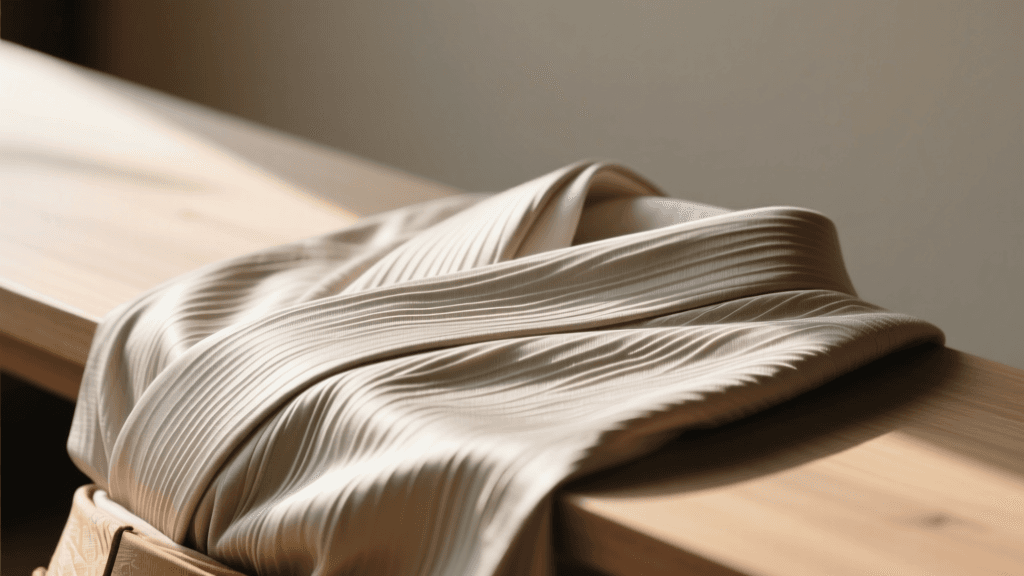
The Acoustic Signature: Understanding Kimono Rustle (Kinu-Zure)
In the realm of traditional Japanese garments, the experience of wearing a kimono extends far beyond its visual splendor. It is a profoundly multisensory encounter, deeply rooted in the acoustic and tactile feedback of the textiles themselves. The phenomenon known as kinu-zure—the distinct, whispering rustle of silk against silk—is a celebrated auditory hallmark of the kimono. In 2026, as the global slow-fashion movement increasingly embraces mindful, sensory-rich dressing, collectors and practitioners are paying closer attention to the acoustic signatures of their garments.
The sound of a kimono is not accidental; it is engineered through the physics of the weave. When the tightly twisted warp and weft threads of high-quality silk rub against one another during movement, they create a high-frequency friction sound. This acoustic profile is heavily influenced by the garment's structural layering. The interplay between the outer kimono, the nagajuban (under-robe), and the koshihimo (tying sashes) creates varying degrees of tension, which in turn modulates the volume and pitch of the rustle. According to textile historians and exhibitions documented by institutions like the Smithsonian Magazine's coverage of global kimono history, the subtle acoustic feedback of silk was historically considered a marker of refined elegance, or iki, signaling a wearer's presence before they even entered a room.
Tactile Landscapes: Chirimen, Rinzu, and Tsumugi
To truly understand the sensory experience of the kimono, one must examine the specific weaving techniques that dictate both texture and sound. The Japanese concept of sawari refers to the premium, almost electric tactile sensation of touching high-grade silk. Different weaves offer drastically different sawari profiles, making the selection of a kimono a highly personal sensory choice.
Chirimen (Crepe Silk): Chirimen is woven using tightly twisted weft threads that alternate in their direction of twist. When the fabric is washed and finished, the threads relax, creating a characteristic pebbled, crinkled surface. This high-friction texture produces the loudest and most iconic kinu-zure rustle. Tactilely, it feels matte, dry, and pleasantly textured against the skin.
Rinzu (Figured Satin): In stark contrast, Rinzu is a damask-weave silk characterized by long, floating threads that create a glossy, smooth surface. The tactile sensation is incredibly fluid, cool, and soft. Because the surface friction is so low, Rinzu kimono produce a very quiet, soft 'swish' rather than a crisp rustle, making them the preferred choice for formal, serene occasions where acoustic subtlety is desired.
Oshima Tsumugi (Pongee): Originating from the Amami Islands, this highly prized fabric is woven from pre-dyed silk threads using a complex mud-dyeing and ikat technique. The resulting fabric is remarkably lightweight yet crisp and structured. The sound it produces is less of a 'rustle' and more of a rhythmic, papery 'crackle.' For a deeper dive into the regional variations and historical significance of these silk types, the Metropolitan Museum of Art's Asian Art Silk Collection offers an extensive visual and historical archive.
2026 Fabric Sensory Comparison Chart
| Fabric Type | Weave Structure | Tactile Sensation (Sawari) | Acoustic Profile (Rustle) | 2026 Avg. Vintage Price (USD) |
|---|---|---|---|---|
| Chirimen | Crepe (twisted weft) | Pebbled, matte, high friction | Loud, crisp 'scritch' | $150 - $350 |
| Rinzu | Figured Satin | Smooth, glossy, fluid | Soft, quiet 'swish' | $200 - $500 |
| Oshima Tsumugi | Pongee (ikat) | Crisp, structured, papery | Distinct, rhythmic 'crackle' | $1,200 - $4,500 |
| Ro / Sha | Leno (summer weave) | Airy, lightweight, textured | Minimal, breezy 'whisper' | $180 - $400 |
The Philosophy of "Sawari" in 2026 Textile Appreciation
In 2026, the appreciation of sawari has evolved into a cornerstone of mindful dressing and textile collecting. As digital fatigue drives consumers toward tangible, analog experiences, the physical touch of a garment has become a primary metric of luxury. Sawari is not merely about softness; it is about the complex interaction between the skin and the fiber. High-quality, hand-reeled silk possesses microscopic irregularities that create a gentle, stimulating friction, which is believed to have a grounding, almost meditative effect on the wearer.
Modern collectors evaluating vintage and contemporary kimono are now prioritizing tactile integrity alongside visual condition. A garment that has been stored improperly may lose its structural 'memory,' resulting in a limp texture and a muted acoustic profile. Conversely, a well-maintained Chirimen kimono retains its three-dimensional pebbled structure, offering a robust tactile and auditory experience that synthetic 2026 alternatives simply cannot replicate.
Environmental Harmony: Preserving Sensory Qualities
The sensory qualities of silk are highly susceptible to environmental factors. Humidity, in particular, plays a massive role in the acoustic properties of a kimono. In high humidity, silk fibers absorb moisture, swell, and become heavier and more pliable, which dampens the kinu-zure rustle. In excessively dry conditions, the silk can become brittle, altering the sawari and risking fiber degradation.
For collectors in 2026, preserving the sensory experience requires advanced, yet traditional, storage methodologies. The gold standard remains the tansu (traditional paulownia wood chest). Paulownia wood naturally regulates internal humidity, expanding in high moisture to seal the drawers and contracting in dry conditions to allow airflow. Today, collectors pair these heritage chests with smart, wireless hygrometers that monitor the microclimate inside the drawers via smartphone apps, ensuring the environment remains at the optimal 50-55% relative humidity. This precise climate control ensures that when the kimono is finally removed for wearing, the silk retains its ideal crispness and acoustic resonance.
Actionable Guide: Building a Sensory Kimono Wardrobe
If you are looking to curate a kimono wardrobe that maximizes the sensory experience of sound and texture, follow these actionable steps tailored for the 2026 market:
- Start with Chirimen for Acoustics: If the iconic silk rustle is your primary goal, invest in a mid-20th-century vintage Chirimen kimono. Look for pieces with a high density of crepe texture. Run your hand across the grain; it should feel distinctly bumpy and offer slight resistance. Expect to pay between $150 and $350 for excellent condition vintage pieces in 2026.
- Invest in a Silk Nagajuban: The sound of kinu-zure requires silk rubbing against silk. Wearing a cotton or synthetic under-robe will muffle the sound and alter the drape. Purchase a 100% silk nagajuban (or at least one with a silk bodice and sleeves) to ensure the inner friction generates the correct acoustic frequency.
- Experience Oshima Tsumugi for Tactile Contrast: To understand the opposite end of the sensory spectrum, acquire an Oshima Tsumugi piece. While expensive (often exceeding $1,500 even on the vintage market), the crisp, papery texture and lightweight warmth offer a completely different, highly addictive sawari experience, particularly suited for autumn and winter wear.
- Master the Art of Tying: The tension of your koshihimo (waist ties) directly impacts the sound of your garment. Tying them with the precise, traditional tension ensures the outer silk is pulled taut against the under-robe, creating the necessary friction for a clear, resonant rustle with every step.
- Air Out for Acoustic Reset: Before wearing, air your kimono on a specialized bamboo hanger in a climate-controlled room for 24 hours. This allows the fibers to acclimate to the ambient room humidity, 'waking up' the crepe structure of Chirimen and restoring its maximum acoustic potential.
Conclusion
The traditional Japanese kimono is a masterclass in sensory design. In an era dominated by fast, disposable fashion, the deliberate, mindful experience of kinu-zure and sawari offers a profound connection to heritage, craftsmanship, and the physical world. By understanding the distinct acoustic and tactile properties of weaves like Chirimen, Rinzu, and Tsumugi, and by employing precise preservation techniques, modern collectors can ensure that the 'sigh of the silk' continues to resonate beautifully in 2026 and beyond.