Best Hanfu Fabrics for 2026: Drape, Texture & Comfort Guide
The Evolution of Hanfu Textiles in 2026
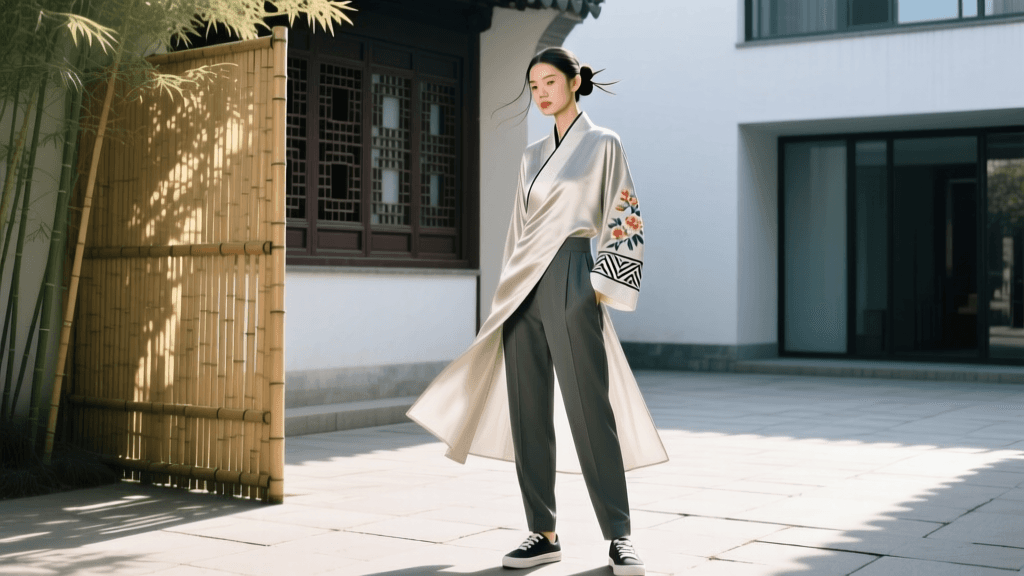
As the Xin Zhongshi (New Chinese Style) movement reaches new heights in 2026, the global appreciation for Hanfu has shifted from mere visual replication to a profound focus on wearability, textile engineering, and sensory comfort. Modern enthusiasts and designers are no longer satisfied with stiff, historically inaccurate synthetic costumes. Instead, the 2026 market demands a meticulous analysis of fabric texture, drape coefficients, and all-day comfort. Whether you are attending a formal tea ceremony, navigating a busy urban commute, or traveling internationally, understanding how different textiles behave on the human body is essential for curating a functional and elegant Hanfu wardrobe.
Historically, silk has been the cornerstone of Chinese garment making. As noted by the Metropolitan Museum of Art, the mastery of silk sericulture allowed for the creation of diverse weave structures that dictated how a garment moved with the body. Today, advanced textile engineering has expanded this repertoire, blending ancient weaving techniques with sustainable, climate-adaptive fibers. In this comprehensive guide, we analyze the drape, texture, and comfort of the most prominent Hanfu fabrics available in 2026.
Understanding Drape and Texture in Traditional Garments
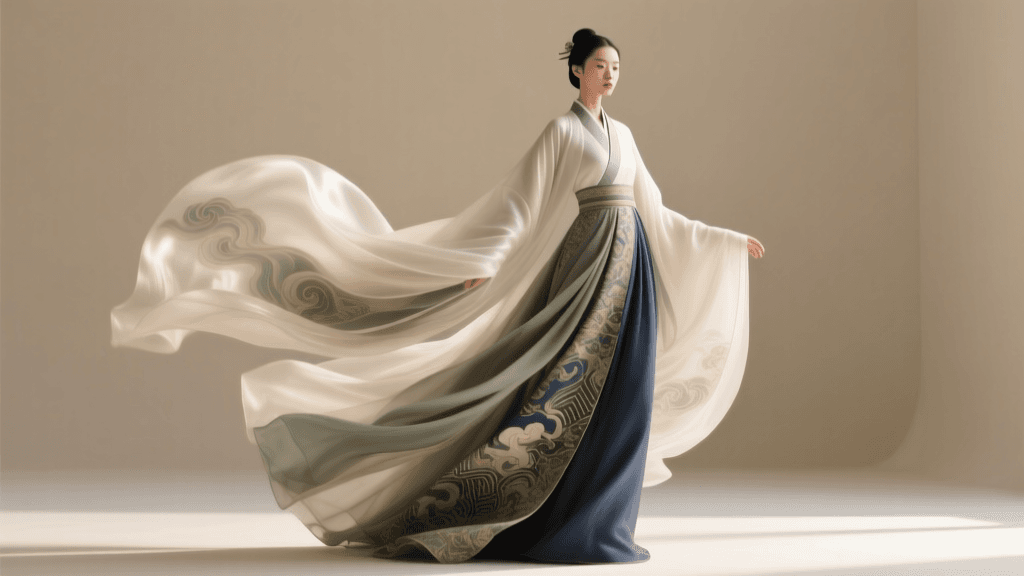
Drape is defined as the ability of a fabric to hang in folds under its own weight. In Hanfu, drape is arguably the most critical aesthetic factor. A garment with a high drape coefficient will flow gracefully, accentuating the sweeping silhouettes of styles like the Mamianqun (horse-face skirt) or the Qixiong Ruqun. Conversely, a low drape coefficient results in a structured, voluminous look, which is necessary for certain outerwear and ceremonial garments.
Texture, or 'handfeel,' refers to the tactile sensation of the fabric against the skin. Because Hanfu often features wide sleeves, overlapping collars, and high waistbands, a harsh or abrasive texture can cause severe discomfort during extended wear. In 2026, textile testing for traditional garments frequently aligns with rigorous methodologies akin to ASTM International textile standards, evaluating parameters such as bending rigidity, surface friction, and moisture-wicking capabilities to ensure modern comfort without sacrificing historical aesthetics.
Top Hanfu Fabrics Analyzed for 2026
1. Xiangyunsha (Gambiered Guangdong Gauze)
Often referred to as 'soft gold' in the textile world, Xiangyunsha is a premium silk fabric dyed with the juice of the gambier plant and coated with iron-rich mud from the Pearl River Delta. In 2026, authentic Xiangyunsha remains a luxury investment, prized for its unique texture and unparalleled summer comfort.
- Texture: It possesses a distinct, slightly leathery, and crisp handfeel. It is cool to the touch and produces a subtle, satisfying rustling sound when the wearer moves.
- Drape: The drape is fluid yet structured. It does not cling to the body, making it exceptionally forgiving and elegant for flowing skirts and wide-sleeved tops.
- Comfort: Highly breathable, moisture-wicking, and naturally antibacterial. It is widely considered the ultimate summer fabric for Hanfu, capable of regulating body temperature in high humidity.
2. Song Brocade (Song Jin)
Song Brocade is a heavyweight, intricately patterned silk weave that originated during the Song Dynasty. It is primarily used for formal outerwear, such as the Beizi (long open-front coat) or ceremonial jackets. The Victoria and Albert Museum highlights the immense complexity of traditional brocade weaving, which utilizes multiple warp and weft threads to create raised, multi-colored patterns.
- Texture: Thick, embossed, and slightly stiff. The surface is rich and textured, with a subtle sheen that catches the light without being overly glossy.
- Drape: Low drape coefficient. Song Brocade holds its shape rigidly, creating sharp, architectural folds and a commanding, regal silhouette.
- Comfort: Due to its weight and density, it is not suitable for base layers or hot weather. However, for autumn and winter formal events, it provides excellent insulation and a luxurious, weighty presence.
3. Cupro and Tencel Blends (The 2026 Xin Zhongshi Standard)
The 2026 Xin Zhongshi movement has heavily embraced sustainable, semi-synthetic cellulosic fibers. Cupro (made from cotton linter) and Tencel (lyocell) blends have become the gold standard for daily-wear Hanfu, offering the luster of silk at a fraction of the cost and with superior durability.
- Texture: Incredibly smooth, silky, and soft against the skin. It mimics the slippery handfeel of charmeuse silk but with a more matte, sophisticated finish.
- Drape: Exceptionally high drape. These blends are heavy and fluid, cascading over the body in deep, continuous folds that look stunning in motion.
- Comfort: Highly breathable, hypoallergenic, and excellent at moisture management. Furthermore, modern 2026 blends are treated for wrinkle resistance, making them ideal for travel and all-day urban wear.
2026 Hanfu Fabric Comparison Chart
To help you make informed purchasing decisions, we have compiled a comparative analysis of the most popular Hanfu fabrics on the market this year.
| Fabric Type | Drape Quality | Texture / Handfeel | Breathability | Best Season | 2026 Avg. Price (USD/Yard) |
|---|---|---|---|---|---|
| Xiangyunsha | Fluid & Structured | Crisp, Cool, Leathery | Excellent | Summer | $120 - $180 |
| Song Brocade | Stiff & Architectural | Thick, Embossed, Rich | Low | Winter / Formal | $85 - $140 |
| Cupro/Tencel Blend | Heavy & Cascading | Smooth, Silky, Soft | High | Spring / Summer | $25 - $45 |
| Raw Silk (Shuanggong) | Moderate & Natural | Nubby, Matte, Textured | Good | Spring / Autumn | $40 - $70 |
| Organza (Silk/Synthetic) | Stiff & Voluminous | Sheer, Crisp, Scratchy | Moderate | Layering / All | $15 - $30 |
Practical Guide: Selecting Fabrics for Climate and Occasion
Summer Commuting and Travel
For high-humidity environments and travel, wrinkle resistance and moisture-wicking are paramount. Avoid pure, unblended mulberry silk, which water-spots easily and requires meticulous ironing. Instead, opt for high-quality Cupro/Tencel blends or lightweight linen-cotton intersections. These fabrics offer the sweeping drape required for a beautiful Mamianqun while surviving being packed in a suitcase. If budget permits, a lightweight Xiangyunsha top is the ultimate luxury travel piece, as its natural properties resist odors and require only a gentle shake to release wrinkles.
Autumn and Winter Layering
Winter Hanfu relies on the interplay of textures. Use a soft, high-drape fabric for your inner layers (such as a Tencel cross-collar top) to ensure comfort against the skin. For the outer layers, utilize low-drape, structured fabrics like Song Brocade, wool-blend tweeds, or heavy raw silk. The stiffness of the outer layer will trap body heat and create a striking visual contrast with the fluid inner garments. In 2026, many contemporary Hanfu brands also offer hidden fleece-lined linings in traditional brocades, merging historical aesthetics with modern thermal technology.
Ceremonial and Photography Use
If the garment is primarily for photography, stage performances, or brief ceremonial use, drape and visual texture take precedence over long-term comfort. Silk organza and stiff taffetas are excellent for creating the dramatic, voluminous silhouettes seen in Tang Dynasty-inspired Daxiushan (large-sleeve robes). While these fabrics can be abrasive against the skin, their ability to catch the wind and hold dramatic poses makes them indispensable for visual arts.
Maintenance and Storage for Drape Retention
The drape and texture of your Hanfu can degrade rapidly if improperly maintained. To preserve the structural integrity and handfeel of your garments in 2026, follow these expert care guidelines:
- Steaming over Ironing: Never use a flat iron directly on Xiangyunsha or brocades, as the heat and pressure will crush the fibers and ruin the natural drape. Always use a handheld garment steamer to gently relax the fibers and remove wrinkles.
- Rolling for Storage: Heavy, high-drape fabrics like Tencel blends and soft silks should be rolled rather than folded. Folding creates permanent crease lines that disrupt the fluid fall of the fabric. Store rolled garments in breathable cotton bags.
- Washing Protocols: Xiangyunsha must never be machine washed or subjected to harsh alkaline detergents, which strip the gambier dye and iron-mud coating. Hand wash in cool water with a pH-neutral silk wash, and dry flat in the shade. For Cupro blends, a gentle machine cycle in a mesh bag is acceptable, but they must be removed immediately to prevent hard creasing.
Conclusion
The Hanfu landscape in 2026 is a beautiful synthesis of ancient heritage and modern textile science. By understanding the specific drape coefficients, textural nuances, and comfort profiles of fabrics like Xiangyunsha, Song Brocade, and innovative cellulosic blends, you can curate a wardrobe that is not only historically resonant but also a joy to wear in daily life. Whether you are investing in a luxury heritage piece or building a versatile, travel-ready Xin Zhongshi collection, prioritizing fabric analysis will ensure your garments move beautifully and feel exceptional for years to come.