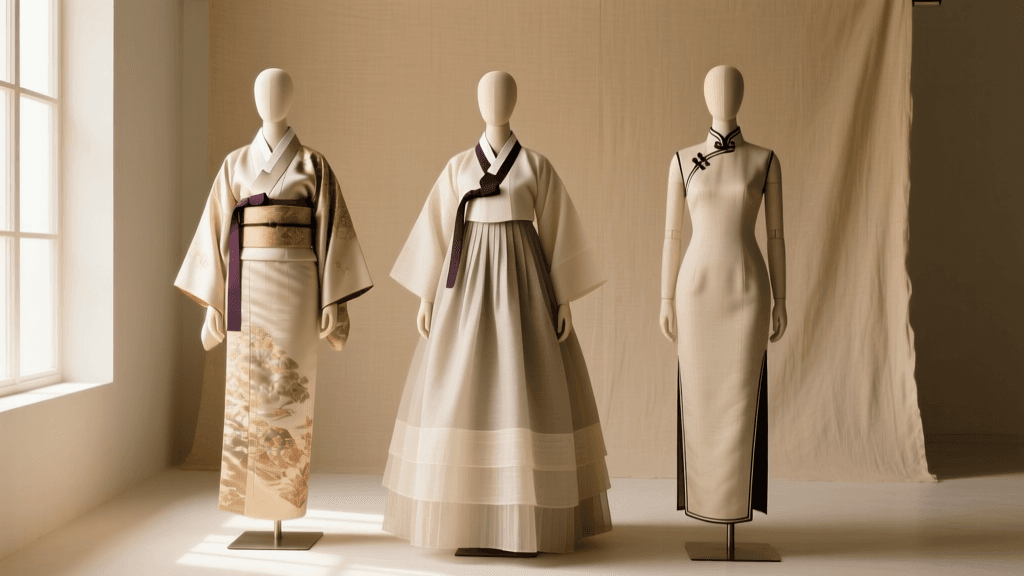
Top Japanese Fashion Blogs Preserving Kimono Culture in 2026
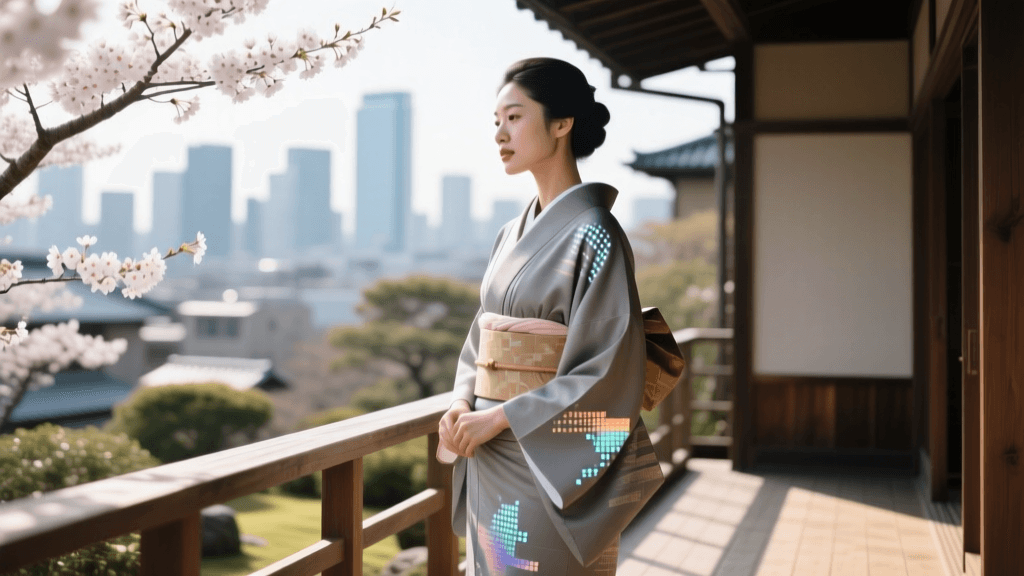
The Digital Renaissance of Japanese Garment Journalism
In 2026, the landscape of Japanese fashion journalism has undergone a profound transformation, particularly in the realm of traditional garments. While legacy print publications once held a monopoly on kimono styling, textile analysis, and seasonal trend forecasting, the digital era has democratized access to this rich cultural heritage. Today, a vibrant ecosystem of online magazines, independent editorial blogs, and digital-first cultural journals is leading the charge in preserving and evolving traditional Japanese fashion. From the intricate weaving techniques of Nishijin-ori to the sustainable upcycling of vintage Showa-era silks, modern digital journalism is bridging the gap between centuries-old craftsmanship and contemporary global aesthetics.
The shift toward digital platforms has allowed writers, textile historians, and stylists to reach a global audience instantaneously. As we navigate the eighth year of the Reiwa era, the conversation surrounding traditional garments like the kimono, hakama, haori, and yukata is no longer confined to localized guild newsletters or expensive quarterly print catalogs. Instead, it thrives in dynamic web magazines, multimedia-rich blog posts, and deeply researched digital editorials that cater to both seasoned collectors and newcomers eager to understand the profound symbolism woven into every thread.
Leading Online Magazines and Editorial Platforms
To truly understand how traditional Japanese fashion is being documented and celebrated in 2026, one must look at the pioneering online magazines and blogs that set the editorial standard. These platforms combine rigorous cultural journalism with stunning visual storytelling.
Kyoto Journal: The Authority on Textile Arts
While not exclusively a fashion magazine, the Kyoto Journal remains an indispensable digital resource for anyone interested in the intersection of traditional arts, craftsmanship, and garment culture. Their online columns frequently feature deep-dive interviews with master artisans, including Yuzen dyers, Shibori specialists, and obi weavers. In 2026, their editorial focus has heavily emphasized the preservation of intangible cultural properties, documenting the grueling apprenticeships required to master traditional loom operations. For readers seeking to understand the historical and spiritual context behind the garments they wear, Kyoto Journal provides unparalleled, meticulously researched long-form journalism.
The Japan Times: Culture and Style Desk
For socio-cultural analysis of traditional fashion, the digital culture desk at The Japan Times offers vital insights into how traditional garments are adapting to modern societal shifts. Their fashion journalists frequently cover the 'kimono revival' movement among younger demographics, exploring how Gen Z and Millennial wearers are breaking rigid kitsuke (dressing) rules. Recent 2026 features have highlighted the rise of gender-fluid styling in traditional wear, documenting how the hakama and haori are being reimagined outside of binary gender norms, and how modern tea ceremony practitioners are adapting their wardrobes for climate-conscious living.
Vogue Japan: High Fashion Meets Heritage
When it comes to the intersection of haute couture and traditional Japanese textiles, the digital pages of Vogue Japan are essential reading. Their online craftsmanship series frequently spotlights how luxury fashion houses collaborate with traditional Japanese textile guilds. In 2026, their editorial blogs have extensively covered the integration of smart textiles with traditional weaving, as well as the high-fashion styling of vintage michiyuki (traditional coats) and obijime (decorative cords). Vogue Japan’s digital presence proves that traditional garments are not merely museum artifacts, but living, breathing elements of the global luxury fashion conversation.
Independent Substack Curators and Niche Blogs
Beyond the major publications, 2026 has seen an explosion of independent fashion journalists utilizing newsletter platforms to cover hyper-niche subcultures within traditional Japanese fashion. Blogs dedicated exclusively to 'boro' (patchwork textiles) and 'sashiko' (functional embroidery) have gained massive followings. These independent writers often provide actionable guides on sourcing authentic vintage textiles, identifying regional dyeing styles like Kaga-Yuzen versus Kyo-Yuzen, and navigating the complex secondhand kimono markets in Tokyo and Kyoto.
Core Themes Shaping 2026 Traditional Fashion Coverage
The editorial focus of Japanese fashion blogs this year reflects broader global conversations regarding sustainability, climate adaptation, and cultural reclamation.
Sustainable Upcycling and 'Reform' Culture
A dominant theme across digital magazines in 2026 is the 'reform' movement—the art of deconstructing damaged or unwearable vintage kimono and reconstructing them into modern apparel, accessories, or home goods. Fashion journalists are heavily promoting this circular approach to silk and hemp textiles. Editorial guides now regularly feature tutorials on how to repurpose the luxurious, densely woven sections of a maru obi into modern evening clutches, or how to tailor the sleeves of a formal tomesode into contemporary outerwear, ensuring that no scrap of hand-dyed silk goes to waste.
Climate-Adaptive Summer Garments
With summers in Japan growing increasingly intense, fashion journalism has pivoted to extensively cover climate-adaptive traditional wear. Online magazines are dedicating entire summer issues to the science and styling of 'ro' and 'sha'—traditional leno-weave silks that feature microscopic gaps for maximum breathability. Furthermore, journalists are championing the use of modern Ojiya-chijimi (crepe linen) for yukata, praising its moisture-wicking properties and crisp texture. Detailed reviews of cooling undergarments (hadajuban) designed specifically to be worn beneath traditional layers are now a staple of summer fashion blogs.
Digital Archiving and AI Pattern Recognition
In a fascinating blend of technology and tradition, 2026's fashion journalism frequently covers the use of AI and digital archiving to preserve endangered textile patterns. Independent bloggers and institutional magazines alike are reporting on initiatives where thousands of Edo-period kosode patterns are being digitized. Fashion writers are exploring how contemporary designers use these open-source digital archives to recreate lost dyeing techniques, ensuring that the visual language of traditional Japanese garments survives in the digital ether.
Comparison Chart: Legacy Print vs. 2026 Digital Journalism
To understand the value that modern blogs and online magazines bring to the traditional garment community, it is helpful to compare them with the legacy print magazines of the past.
| Feature | Legacy Print Magazines (Pre-2020) | Digital Blogs & Online Magazines (2026) |
|---|---|---|
| Update Frequency | Quarterly or Bi-annually | Daily to Weekly (Real-time trend reporting) |
| Multimedia Integration | Static photography, limited layouts | Embedded video tutorials, 3D textile scans, audio interviews |
| Community Engagement | One-way communication, letters to the editor | Interactive comment sections, direct Q&A with artisans, social sharing |
| Global Accessibility | Restricted to domestic Japanese distribution | Instant global access with integrated browser translation |
| Focus on Sustainability | Minimal; focused on new seasonal purchases | Heavy emphasis on vintage sourcing, upcycling, and textile care |
Actionable Guide: Navigating Japanese Fashion Media
For international enthusiasts, collectors, and designers looking to tap into this wealth of knowledge, navigating Japanese online magazines requires a few strategic approaches in 2026:
- Leverage Visual Translation Tools: While major publications like The Japan Times offer English editions, niche blogs are often exclusively in Japanese. Utilize advanced browser extensions that offer hover-over translation for complex textile terminology, ensuring you accurately understand terms like 'tsuzure-ori' (tapestry weave) or 'kanoko-shibori' (fawn-spot tie-dye).
- Follow Curated Hashtags: Digital fashion journalists heavily utilize social platforms to tease their long-form editorial content. Following tags such as #着物コーデ (Kimono Coordination), #和装 (Japanese Dress), and #アンティーク着物 (Antique Kimono) will lead you directly to the most influential independent bloggers and digital stylists.
- Subscribe to Artisan Newsletters: Many digital magazines now offer premium Substack-style newsletters that provide direct market reports from the Kyoto antique fairs and the Tokyo Kimono Show. Subscribing to these ensures you receive pricing data and trend forecasts directly to your inbox.
Conclusion
The year 2026 marks a golden age for Japanese fashion journalism. By transitioning from the glossy, restrictive pages of legacy print to the dynamic, accessible, and deeply interactive realm of digital blogs and online magazines, writers and cultural historians are ensuring that traditional garments remain relevant. Whether they are dissecting the structural integrity of a hand-woven obi, championing the sustainable upcycling of vintage silks, or exploring the gender-fluid future of the hakama, these digital platforms are the vital connective tissue between Japan's sartorial past and its innovative future. For anyone passionate about Asian traditions, immersing oneself in these online editorials is no longer just an option—it is an essential practice in cultural appreciation and preservation.