Kimono vs Hanbok vs Cheongsam: 2026 Formal Styling Guide
The Renaissance of Asian Formal Wear in 2026
As global fashion continues to embrace cultural heritage, the year 2026 has seen an unprecedented resurgence in the wearing of traditional Asian garments for formal events, weddings, and high-profile galas. The kimono of Japan, the hanbok of Korea, and the cheongsam (or qipao) of China are no longer relegated to historical reenactments or strictly localized ceremonies. Today, they are celebrated on international red carpets and integrated into modern wardrobes with a deep respect for their origins and a keen eye for contemporary tailoring.
For enthusiasts, collectors, and those attending formal events, understanding the structural, cultural, and stylistic differences between these three iconic garments is essential. This comprehensive guide compares the kimono, hanbok, and cheongsam, exploring their silhouettes, 2026 fabric innovations, and modern styling protocols.
The Kimono: Structured Elegance and Layered Heritage
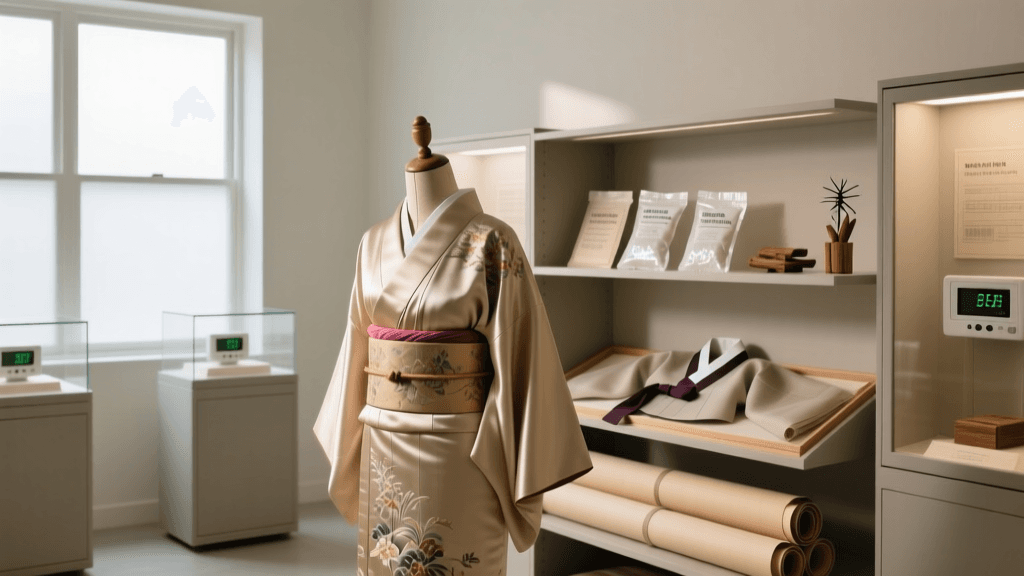
The Japanese kimono is renowned for its T-shaped, straight-lined construction. Unlike Western garments that are cut to follow the curves of the body, the kimono is a masterclass in wrapping, folding, and layering. The garment's formality is dictated not just by the fabric, but by the number of layers, the sleeve length (furisode for unmarried women, tomesode for married women), and the intricacy of the obi (sash).
2026 Styling and Fabric Trends
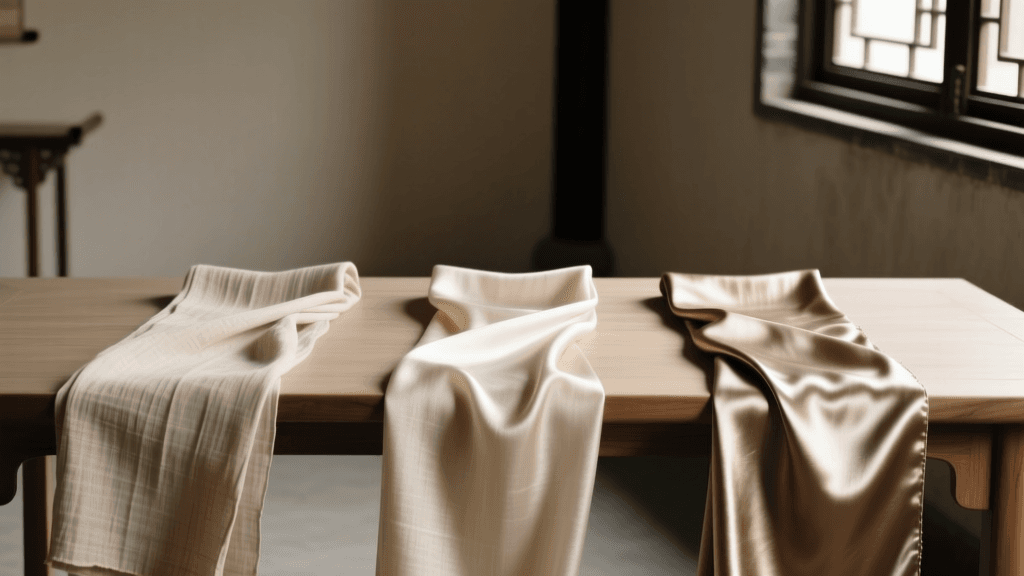
In 2026, sustainability is the driving force behind kimono fashion. Artisans in Kyoto and Tokyo are increasingly utilizing peace silk (ahimsa silk) and advanced lab-grown spider silk blends that offer the lustrous drape of traditional habutae without the environmental toll. For formal winter events, the layered uchikake (outer robe) is being styled with modern, minimalist metallic obijime (cords) to create a striking contrast between ancient silhouettes and futuristic accents.
- Silhouette: Cylindrical, column-like, concealing the body's natural shape.
- Key Components: Kimono body, nagajuban (under-robe), obi, obiage, obijime, tabi, and zori.
- Formality Scale: Highly codified; from casual yukata to the ultra-formal kurotomesode.
The Hanbok: Voluminous Grace and Vibrant Harmony
The Korean hanbok is characterized by its vibrant colors, simple lines, and dramatic, voluminous silhouette. Traditionally consisting of a jeogori (jacket) and a chima (full, wrapping skirt) for women, or baji (baggy trousers) for men, the hanbok is designed to allow for fluid movement while creating a bell-like shape that commands attention.
2026 Styling and Fabric Trends
Contemporary hanbok designers in 2026 are redefining formal wear by adjusting the proportions of the traditional silhouette. While the traditional hanbok remains the gold standard for weddings and Chuseok celebrations, modern formal iterations feature slightly elongated jeogori and structured chima that utilize lightweight, sustainable organza and recycled polyester blends. These fabrics hold the iconic bell shape while reducing the garment's overall weight, making it far more comfortable for all-day formal events. According to cultural heritage advocates, the integration of subtle, monochromatic embroidery has replaced the loud, contrasting color blocks of the past decade, appealing to a minimalist luxury market.
- Silhouette: Bell-shaped, voluminous, emphasizing the upper chest and flowing dramatically to the floor.
- Key Components: Jeogori, chima (women) / baji (men), dongjeong (white collar), goreum (tied sash).
- Formality Scale: Differentiated by fabric quality (silk vs. cotton) and the complexity of the embroidery.
The Cheongsam (Qipao): Tailored Precision and Feminine Form
Originating from the Manchu people and later evolving in 1920s Shanghai, the cheongsam (qipao) is the epitome of tailored precision. Unlike the concealing kimono or the voluminous hanbok, the cheongsam is form-fitting, designed to celebrate the natural contours of the body. It is instantly recognizable by its mandarin collar, asymmetrical opening, and intricate frog button closures (pankou).
2026 Styling and Fabric Trends
The cheongsam in 2026 has evolved beyond the rigid, heavily boned structures of the late 20th century. Modern bespoke tailors in Shanghai, Hong Kong, and Singapore are employing 3D body scanning to create qipaos that offer a flawless, custom fit while utilizing stretch-silk blends and breathable bamboo-silk textiles. For high-formality events like galas and evening weddings, the floor-length cheongsam with dramatic side slits and hand-painted Suzhou embroidery remains the pinnacle of luxury. Furthermore, the A-line qipao has gained massive traction in 2026 as a formal option that provides the elegance of the mandarin collar with a more forgiving, flowing skirt.
- Silhouette: Form-fitting, columnar with high slits, emphasizing the waist and hips.
- Key Components: Mandarin collar, pankou (frog buttons), side slits, asymmetrical front flap.
- Formality Scale: Dictated by length, fabric (brocade and silk for formal), and the density of embroidery.
Comparative Analysis: Silhouette, Structure, and Event Suitability
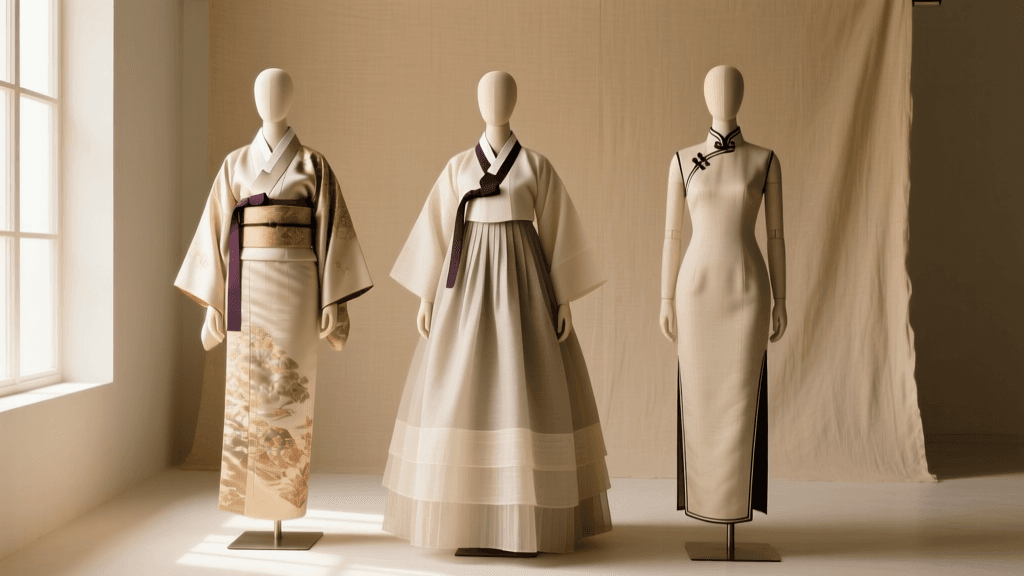
Choosing between these three garments for a 2026 formal event depends heavily on the desired aesthetic, the nature of the event, and personal comfort regarding structure and movement. Below is a detailed comparison chart to guide your selection.
| Feature | Kimono (Japan) | Hanbok (Korea) | Cheongsam / Qipao (China) |
|---|---|---|---|
| Primary Silhouette | Straight, cylindrical, layered | Bell-shaped, voluminous skirt | Form-fitting, tailored, slit skirt |
| Movement & Comfort | Restrictive; requires small steps | Highly fluid; allows wide movement | Moderate; depends on slit height and fit |
| 2026 Formal Fabric | Peace silk, Nishijin-ori brocade | Sustainable organza, raw silk | Stretch-silk, hand-painted crepe |
| Best Suited For | Tea ceremonies, traditional weddings | Cultural galas, festive weddings | Red carpets, evening banquets, cocktail |
| Avg. Bespoke Cost (2026) | $2,500 - $8,000+ | $800 - $2,500 | $1,200 - $3,500 |
Sourcing, Tailoring, and Wearing Protocol in 2026
Acquiring a high-quality garment in 2026 requires navigating a mix of heritage ateliers and modern digital tailoring services. For the kimono, authentic formal wear is still predominantly sourced from multi-generational shops in Kyoto's Nishijin district or Tokyo's Ginza. Due to the complexity of the kitsuke (dressing) process, hiring a professional dresser for formal events remains standard practice, adding roughly $150 to $300 to your event budget.
For the hanbok, Seoul's Bukchon Hanok Village remains the epicenter of bespoke creation, though many international buyers now utilize virtual consultation services offered by top Korean designers. The hanbok is notably the easiest of the three to don independently, making it a favorite for international attendees who may not have access to a professional dresser.
The cheongsam demands the highest level of tailoring precision. A true bespoke qipao requires multiple fittings to ensure the puckering around the frog buttons is non-existent and the collar sits flush against the neck. In 2026, premier tailors in Shanghai and Hong Kong offer hybrid digital-physical fitting processes, allowing global clients to achieve a flawless fit via advanced biometric scanning apps before the final physical garment is cut.
"The beauty of Asian traditional garments in 2026 lies in their dual identity. They are fiercely protective of their historical construction methods, yet entirely adaptable to the sustainable and technological advancements of modern textile science." — Global Heritage Fashion Report, 2026
Final Thoughts on Cultural Appreciation
Whether you are drawn to the architectural layering of the kimono, the sweeping grace of the hanbok, or the sculpted elegance of the cheongsam, wearing these garments in 2026 is an act of cultural appreciation and sartorial excellence. By understanding the distinct histories, structures, and modern evolutions of these garments, you ensure that your formal wear is not only visually stunning but deeply respectful of the rich Asian traditions from which they originate.