Hanfu Fabric Drape & Comfort Analysis: Top 2026 Picks
The Evolution of Hanfu Textiles in 2026
The landscape of traditional Chinese clothing has undergone a seismic shift over the past few years, culminating in the vibrant 2026 market where Hanfu is no longer reserved for ceremonial photoshoots or historical reenactments. Driven by the Xin Zhongshi (new Chinese style) movement, modern consumers demand garments that honor ancient weaving traditions while providing the comfort, durability, and ease of care required for daily urban life. At the intersection of historical accuracy and modern textile engineering lies the crucial science of fabric drape and skin-feel comfort. Whether you are styling a flowing Tang dynasty Ruqun or a structured Ming dynasty Mamianqun (horse-face skirt), the textile you choose dictates the silhouette, movement, and thermoregulation of the garment.
In this comprehensive 2026 analysis, we break down the physics of fabric drape, evaluate the top performing traditional and modern-blend textiles, and provide actionable data to help you select the perfect Hanfu fabrics for your wardrobe. According to ongoing textile research highlighted by the China National Silk Museum, the integration of bio-engineered fibers with traditional weave structures has revolutionized how historical garments perform in contemporary climates.
The Physics of Flow: Understanding Drape in Hanfu Silhouettes
Fabric drape is defined as the ability of a textile to bend and fold under its own weight, creating a three-dimensional shape. In Hanfu design, drape is not merely an aesthetic choice; it is a structural necessity. The Cusick drape meter, a standard tool in textile science, measures the drape coefficient of a fabric. A high drape coefficient indicates a stiff fabric that holds its shape, while a low coefficient indicates a fluid fabric that clings and flows.
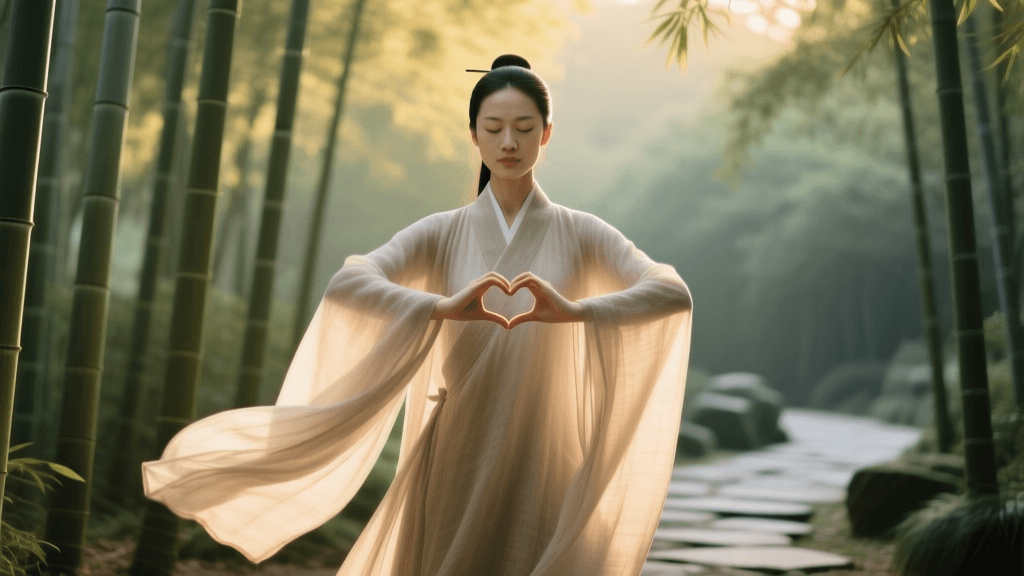
For a Ming dynasty Mamianqun, the fabric must possess a unique paradox: it needs high bending stiffness to maintain the sharp, knife-like pleats at the waist, yet low shear stiffness to allow the skirt to swing fluidly with the wearer's stride. Conversely, a Song dynasty Beizi (a long, open-front cloak) requires a low drape coefficient to create the elongated, ethereal vertical lines characteristic of the era. Understanding these mechanical properties is essential for the 2026 Hanfu enthusiast looking to achieve historically accurate silhouettes without sacrificing modern comfort.
2026 Fabric Profile Analysis: Ramie, Silk, and Modern Blends
Ramie (Zhu Ma) and Xia Bu: The Structured Breeze
Ramie, historically known as 'Xia Bu' or summer cloth, has been a staple of Chinese textile production for millennia. In 2026, advancements in enzymatic bio-washing have largely eliminated the notorious 'itch' and stiffness associated with raw ramie, making it a premier choice for summer Hanfu. Ramie fibers possess a natural luster and exceptional tensile strength. From a drape perspective, ramie offers a crisp, structured silhouette. It does not cling to the body, creating an airy microclimate between the fabric and the skin that is invaluable in high-humidity environments.
While pure ramie wrinkles easily, the 2026 market has seen a surge in ramie-cotton and ramie-Tencel blends. These hybrids retain the crisp drape necessary for structured Ao (jackets) and cross-collared Ru (tops) while significantly improving wrinkle recovery and softening the initial skin-feel.
Mulberry Silk (Sang Can Si): The Gold Standard of Fluidity
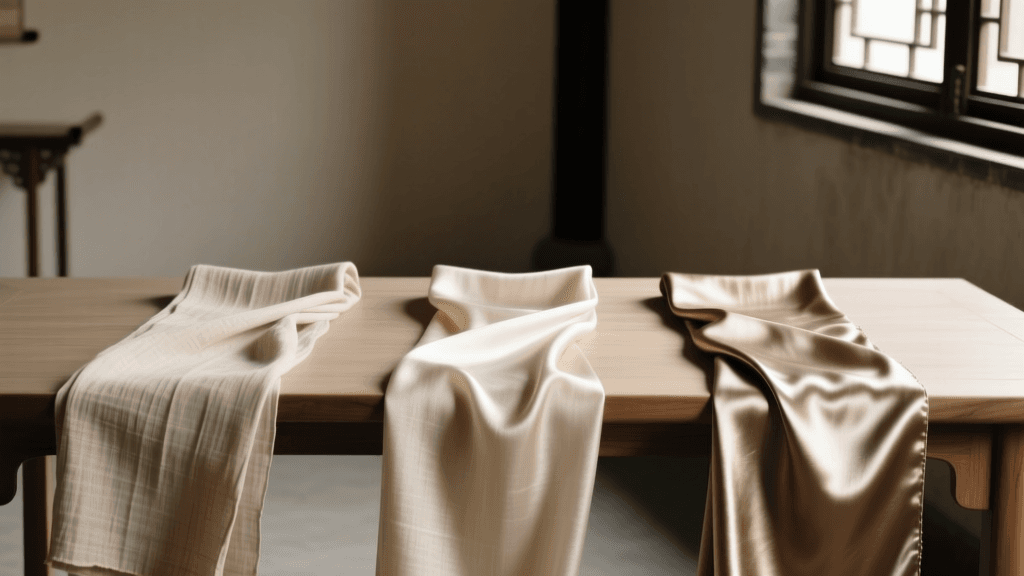
Nothing replicates the historical luxury and fluid drape of pure mulberry silk. For garments requiring a liquid silhouette, such as the wide-sleeved Dashan or the flowing skirts of the Wei-Jin period, silk remains unmatched. However, not all silk weaves behave identically. Silk charmeuse offers a high-gloss finish and a heavy, clinging drape, while silk habotai provides a lighter, more ethereal flow.
In 2026, the trend has shifted toward 16 to 19 momme silk-cotton or silk-linen jacquards. As noted in studies published in the Textile Research Journal, blending protein fibers (silk) with cellulose fibers (cotton/linen) alters the fabric's shear stiffness, providing the visual opulence of silk with the structural memory required to hold traditional pleats and embroidery without sagging over the course of a day.
Cupro and Tencel Blends: The Modern Xin Zhongshi Workhorses
For daily wear, the 2026 Xin Zhongshi market is dominated by Cupro (Bemberg) and Tencel (lyocell) blends. Derived from regenerated cellulose, these semi-synthetic fibers mimic the drape and luster of silk at a fraction of the cost and with vastly superior durability. Cupro is renowned for its low drape coefficient and exceptional moisture-wicking capabilities. It falls beautifully into deep folds, making it the undisputed champion for modern interpretations of the Mamianqun and pleated Qixiong Ruqun skirts. It is also machine-washable on gentle cycles, a massive advantage for urban commuters.
2026 Hanfu Summer Fabric Performance Matrix
To help you navigate the current market, we have compiled a performance matrix based on 2026 textile testing data, average retail pricing, and historical garment applications.
| Fabric Type | Drape Profile | GSM Range (Summer) | Best Garment Application | 2026 Avg Cost (USD/m) |
|---|---|---|---|---|
| Pure Ramie (Bio-washed) | Crisp, Structured | 110 - 140 | Structured Ao, Cross-collar Ru | $18 - $25 |
| Mulberry Silk (16mm) | Fluid, Clinging | 65 - 80 | Beizi, Dashan, Inner layers | $45 - $60 |
| Silk-Cotton Jacquard | Moderate, Memory | 120 - 150 | Mamianqun, Embroidered Tops | $35 - $50 |
| 100% Cupro (Bemberg) | Heavy Fluid, Deep Folds | 130 - 160 | Pleated Skirts, Wide-leg Pants | $15 - $22 |
| Tencel-Linen Blend | Soft Structured, Matte | 140 - 170 | Daily Song-style Sets, Outerwear | $20 - $28 |
Comfort Analysis: Skin Feel and Thermoregulation
Comfort in traditional garments extends far beyond softness; it encompasses thermoregulation, moisture management, and friction against the skin. In the sweltering heat of an Asian summer, the wrong fabric can make a multi-layered Hanfu unbearable.
- Thermal Conductivity: Ramie and linen possess the highest thermal conductivity among natural fibers, actively drawing heat away from the body. This makes a ramie Ru top feel noticeably cool to the touch upon wearing.
- Moisture Absorption and Release: Silk can absorb up to 30% of its weight in moisture without feeling damp, thanks to its hydrophilic amino acid structure. However, it releases moisture slowly. Cupro, conversely, absorbs and releases moisture rapidly, preventing the clammy feeling associated with synthetic polyesters.
- Friction and Skin Affinity: Mulberry silk is composed of fibroin, which is highly biocompatible with human skin, reducing friction and preventing irritation. For those with sensitive skin, a silk inner layer (Zhongyi) beneath a textured ramie or brocade outer garment is the ultimate 2026 comfort hack.
Actionable Buying Advice for the 2026 Market
When shopping for Hanfu fabrics or ready-to-wear pieces on platforms like Taobao, AliExpress, or specialized boutique sites in 2026, marketing terms can be misleading. Here is how to decode the specifications to ensure you get the drape and comfort you need.
Decoding Fabric Specifications
Always look for the GSM (grams per square meter) or Momme (for silk) weight. For a summer Mamianqun that holds its pleats but does not cause heat exhaustion, aim for a fabric weight between 130 and 160 GSM. If buying silk, 12 momme is too sheer and fragile for daily skirts; opt for 16 to 19 momme. Furthermore, check the warp and weft density. A high thread count in a plain weave will result in a stiffer drape, while a satin weave with floating threads will yield a softer, more fluid drape.
The At-Home Cantilever Test
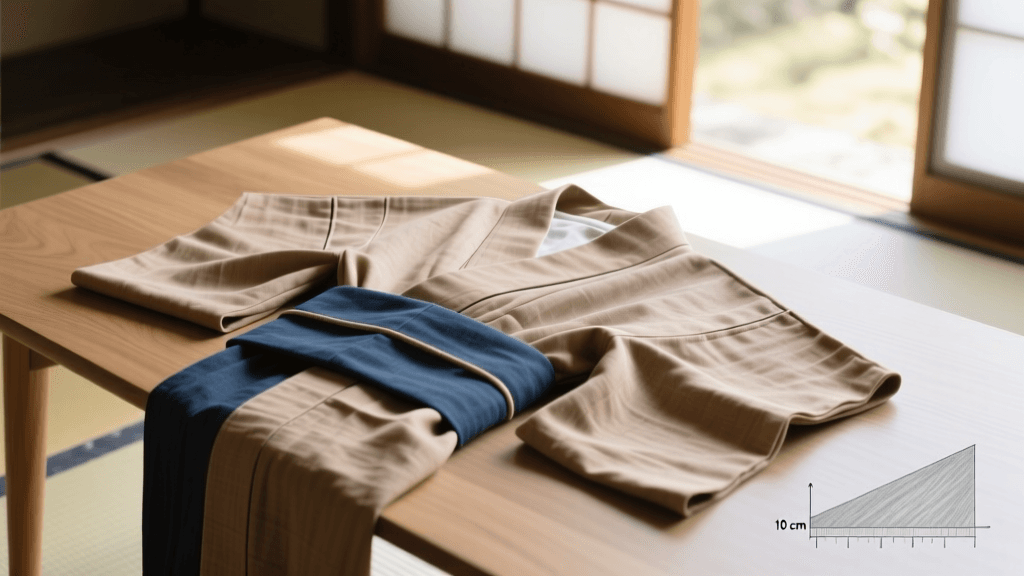
If you are sourcing your own fabrics to commission a custom Hanfu, perform a simple cantilever test. Slide a swatch of the fabric off the edge of a flat table. Measure how far it extends before it bends downward at a 45-degree angle. A longer overhang indicates high stiffness (ideal for pleats and structured collars), while a short overhang indicates high fluidity (ideal for flowing sleeves and draped skirts).
Maintenance and Storage for Optimal Drape Preservation
The drape of a Hanfu can be permanently ruined by improper storage and care. High-drape fabrics like Cupro and silk should never be hung on thin wire hangers, as the weight of the wet fabric during drying will distort the shoulder seams and alter the garment's natural fall. Use wide, padded hangers. For pleated garments like the Mamianqun, the 2026 standard of care involves hanging the skirt by the waistband using clip hangers and utilizing a handheld steamer rather than a flat iron. Steaming relaxes the fibers, allowing gravity to naturally pull the pleats back into their original, crisp alignment without crushing the fabric's three-dimensional weave structure.
Conclusion
The 2026 Hanfu market represents a golden age of textile innovation, where the ancient aesthetics of the Silk Road meet the precision of modern material science. By understanding the mechanical properties of drape and the biological factors of skin comfort, enthusiasts can curate a traditional wardrobe that is not only visually breathtaking but profoundly comfortable for everyday life. Whether you choose the crisp, cooling structure of bio-washed ramie, the luxurious flow of mulberry silk, or the practical elegance of modern Cupro blends, your fabric choice is the foundation of your Hanfu journey.