Top Hanfu Styles for Qigong and Meditation in 2026
The Intersection of Traditional Garments and Mindfulness
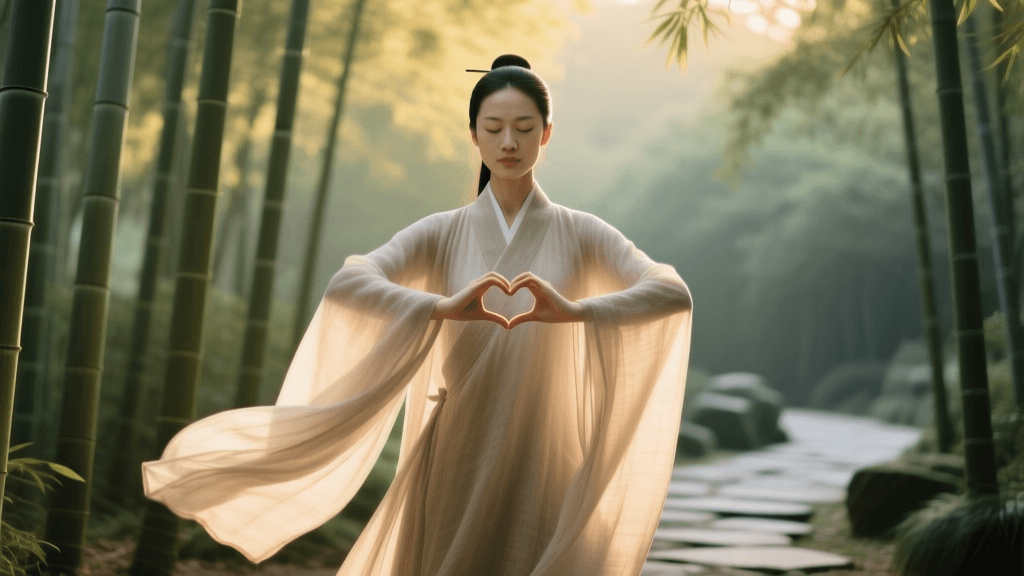
In the evolving landscape of holistic wellness, the garments we wear during mindfulness practices are no longer an afterthought. As we move through 2026, the integration of traditional Chinese clothing—specifically Hanfu—with internal arts like Qigong and meditation has transitioned from a niche cultural appreciation to a mainstream wellness strategy. The concept of 'enclothed cognition' suggests that the clothes we wear profoundly influence our psychological state and physical performance. When applied to the ancient arts of breathwork and energy cultivation, the flowing, unrestrictive silhouettes of Hanfu offer a distinct advantage over modern synthetic activewear.
According to the National Qigong Association, the practice of Qigong relies heavily on the unimpeded flow of Qi (vital energy) through the body's meridian system. Restrictive waistbands, tight synthetic fabrics, and rigid seams can create physical and energetic blockages. Hanfu, characterized by its flat-cutting techniques, wide sleeves, and sash-tied closures, naturally accommodates the deep diaphragmatic breathing and expansive movements required for advanced meditation and Qigong forms.
Why Fabric Choice Matters in Qigong and Meditation
The material resting against your skin dictates your body's thermoregulation and sensory grounding. In 2026, the wellness community has largely rejected petroleum-based activewear in favor of natural, plant-based, and protein-based fibers that align with the ecological principles of traditional Chinese medicine (TCM). The World Health Organization continually highlights the importance of holistic, nature-aligned practices in global wellness, and choosing natural fibers is a direct extension of this philosophy.
Below is a comprehensive comparison of the top natural fabrics used in Hanfu for wellness practices, updated with 2026 market averages and performance metrics.
| Fabric Type | Breathability | Qi Flow & Drape | Best Season | 2026 Avg. Price (Full Set) |
|---|---|---|---|---|
| Ramie (Xia Bu) | Exceptional | Crisp, structured flow | Summer / Humid | $110 - $160 |
| Mulberry Silk | Moderate | Fluid, grounding weight | Spring / Autumn | $180 - $350 |
| Organic Linen | High | Relaxed, natural drape | All Seasons | $90 - $140 |
| Bamboo-Cotton Blend | High | Soft, yielding stretch | Spring / Summer | $75 - $120 |
Ramie (Xia Bu): The Summer Cooling Agent
Historically known as 'China grass,' ramie is a bast fiber that excels in hot, humid environments. For practitioners engaging in moving Qigong forms like Ba Duan Jin (Eight Brocades) during the summer months, ramie Hanfu prevents the trapping of heat and sweat. Its slightly stiff texture also provides a subtle sensory feedback loop, helping practitioners maintain proper postural alignment without the fabric clinging to the skin.
Mulberry Silk: The Grounding Conductor
Silk is highly revered in TCM for its ability to balance the body's microclimate. For seated meditation (Jing Zuo), a heavyweight silk Daopao (Daoist robe) provides a gentle, grounding pressure that calms the nervous system. Silk's natural temperature-regulating properties ensure that as your core temperature fluctuates during deep meditative states, the garment adapts, preventing the chills that often break concentration.
Organic Linen: The Everyday Breathable Staple
Linen remains the most accessible and versatile choice for daily practitioners. Its high moisture-wicking capabilities and durability make it ideal for rigorous martial Qigong or Tai Chi routines. In 2026, enzyme-washed linen Hanfu sets have become particularly popular, offering the breathability of raw linen with a pre-softened hand-feel that requires no break-in period.
Ideal Hanfu Silhouettes for Unrestricted Movement
Not all Hanfu styles are created equal when it comes to physical cultivation. While grand, multi-layered court garments are beautiful, they are impractical for wellness routines. Here are the top three silhouettes recommended by wellness instructors this year.
1. Jiaoling Ruqun (Cross-Collar Top and Skirt)
The Jiaoling Ruqun is a staple for female and male practitioners alike (with male variants often referred to as Jiaoling Yisan). The cross-collar design naturally aligns with the body's central meridian, encouraging a straight spine and open chest. The high-waisted skirt allows for deep stances (Ma Bu) without any restriction around the femoral arteries or the lower abdomen, which is crucial for Dantian breathing.
2. Daopao (The Daoist Robe)
The Daopao is a wide-sleeved, full-length robe that wraps around the body and is secured with an internal tie and an external sash. It is the gold standard for seated meditation and slow-moving Qigong. The expansive sleeves allow for the graceful, sweeping arm movements seen in forms like 'Cloud Hands,' while the lack of side seams in traditional cuts ensures that the garment moves as a single, continuous wave with the body.
3. Duan Da (Short Martial Attire)
For practitioners engaging in more vigorous, martial-oriented Qigong or those practicing in outdoor environments with dense brush, the Duan Da is essential. Featuring a cross-collar top paired with loose, tapered trousers, the Duan Da offers maximum mobility. Modern 2026 iterations often include subtle gussets under the arms and at the crotch, blending historical accuracy with ergonomic enhancements for deep lunges and kicks.
2026 Wellness Retreat Trends: Hanfu Integration
This year has seen a massive surge in immersive wellness retreats across Asia and the West that mandate or strongly encourage traditional attire to deepen the mind-body connection. Retreats situated in the Wudang Mountains and Emei province are now offering 'Sartorial Cultivation' workshops. These programs teach participants how the physical act of tying a Hanfu sash can serve as a transitional ritual, signaling to the brain that it is time to shift from mundane stress to a state of focused mindfulness.
Furthermore, the Cleveland Clinic notes that the meditative aspects of Qigong significantly reduce stress and anxiety. When paired with the deliberate, mindful act of dressing in traditional garments, the psychological benefits are compounded. The ritualistic folding, wrapping, and tying of Hanfu forces the practitioner to slow down, acting as a preliminary moving meditation before the formal practice even begins.
Practical Guide: Dressing for Your Morning Qigong Routine
To fully harness the benefits of Hanfu in your wellness practice, consider adopting this structured morning routine designed for the modern practitioner.
- 5:30 AM - 5:40 AM: The Mindful Dressing Ritual. Begin in a quiet space. Lay out your organic linen Duan Da or Ruqun the night before. As you put on the inner garment, focus on your breath. Tie the external sash with intentional tension—firm enough to support the lower back, but loose enough to allow the belly to expand fully during diaphragmatic breathing.
- 5:40 AM - 5:45 AM: Meridian Tapping and Fabric Adjustment. Use the wide sleeves of your garment to gently brush against your arms and legs, a traditional technique to awaken the superficial meridians. Ensure no fabric is bunched behind the knees or under the arms.
- 5:45 AM - 6:15 AM: Active Qigong Practice. Engage in your chosen forms. Pay attention to how the fabric trails your movements. In traditional arts, the fabric should 'follow' the body, settling a fraction of a second after your limbs stop, indicating that your internal energy has extended beyond your physical form.
- 6:15 AM - 6:30 AM: Seated Meditation and Cool Down. Transition into seated meditation. If you are wearing a Daopao, cross your legs and allow the wide hem to pool around you, creating a physical boundary or 'nest' that grounds your energy to the earth.
Conclusion
As we navigate the wellness landscape of 2026, the integration of Hanfu into Qigong and meditation is much more than an aesthetic choice; it is a return to the holistic roots of Asian traditions. By selecting the appropriate natural fabrics and unrestrictive silhouettes, practitioners can remove physical barriers to energy flow, deepen their mindfulness, and honor the cultural heritage from which these healing arts originate. Whether you are practicing the Eight Brocades at sunrise or engaging in deep seated meditation, the right traditional garment serves as a silent, supportive partner in your journey toward total well-being.