Kimono Travel Essentials 2026: What to Pack & Where to Wear
The Renaissance of Personal Kimono Travel in 2026
As global travel continues to evolve in 2026, the allure of Japan’s traditional garments remains a cornerstone of the cultural tourism experience. While renting a kimono in cities like Kyoto and Tokyo is still a popular activity, a growing movement of travelers and cultural enthusiasts are choosing to bring their own garments. Whether you have invested in a vintage silk komon from a Tokyo flea market, inherited a family yukata, or purchased a modern, travel-friendly two-piece kimono, taking your own garment on the road offers unparalleled benefits. It guarantees a perfect fit, ensures hygiene, and allows for deeply personal expression.
However, traveling with traditional Japanese clothing requires meticulous planning. The delicate silks, intricate weaving techniques, and numerous small accessories demand a strategic approach to packing. According to the Japan National Tourism Organization, understanding the nuances of traditional dress not only enhances your travel photos but also fosters a deeper respect for the host culture. This comprehensive 2026 guide will walk you through exactly what to pack, how to protect your garments in transit, and the most breathtaking locations to wear them.
The Ultimate Kimono Travel Packing Checklist
A kimono is not a single piece of clothing; it is an intricate system of layers, ties, and accessories. Forgetting a single item can make it impossible to dress properly. Below is the essential checklist for the modern traveler assembling their kimono kit for a trip to Japan.
| Item | Japanese Name | Purpose | 2026 Packing Tip |
|---|---|---|---|
| Main Garment | Kimono / Yukata | The primary outer robe. | Pack cotton or polyester blends for easy care; reserve silk for special dinners. |
| Sash | Obi | The wide belt that secures the kimono. | Bring a pre-tied tsuke-obi or a versatile hanhaba-obi to save luggage space. |
| Tie Cords | Koshihimo | Pack at least 3-4. Modern silicone-grip koshihimo prevent slipping during long walks. | |
| Wide Belt | Datejime | Secures the koshihimo and smooths the torso. | Elastic datejime with Velcro closures are ideal for travel and self-dressing. |
| Obi Board | Obi-ita | Keeps the front of the obi flat and wrinkle-free. | Bring a flexible, mesh obi-ita that can be rolled up in your suitcase. |
| Split-Toe Socks | Tabi | Traditional footwear worn with sandals. | Pack stretch-jersey tabi for comfort. Bring white for formal, black/patterned for casual. |
| Sandals | Zori / Geta | Traditional footwear. | Wear them on the plane to save space, or pack lightweight EVA-foam geta for summer. |
| Undergarment | Hadajuban / Susoyoke | Protects the kimono from sweat and oils. | Use modern cooling tech (like Airism) in summer or thermal wear in winter. |
| Decorative Cord | Obijime | Secures the obi knot and adds a pop of color. | Use a small jewelry roll to keep these from tangling in your luggage. |
Mastering the Art of Wrinkle-Free Packing
The greatest enemy of a silk kimono in transit is friction and moisture, which lead to deep, stubborn creases. In 2026, travelers have access to a blend of traditional Japanese folding methods and modern luggage technology to keep their garments pristine.
The Hon-Datami Folding Method
Never fold a kimono like Western clothing. You must use the hon-datami (standard folding) technique. This method aligns the seams perfectly, ensuring that the garment folds into a neat, flat rectangle. When folded correctly, the weight of the garment is distributed evenly, preventing hard creases from forming on the delicate silk panels. If you are unsure how to perform the hon-datami, numerous video tutorials are available online, or you can ask the vendor to fold it for you at the time of purchase.
Using Tatoushi and Acid-Free Tissue
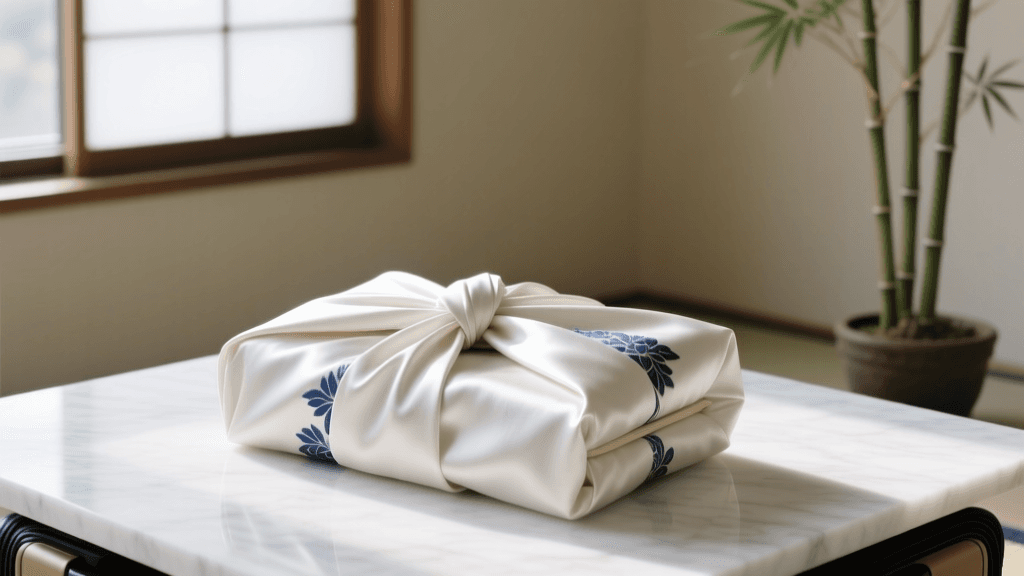
Traditionally, kimonos are stored in tatoushi—specialized, breathable paper envelopes made from high-quality washi paper. For travel, wrapping your folded kimono in a cotton furoshiki or placing it inside a silk organza bag provides a protective barrier against dust and friction. If you are packing highly valuable vintage silks, place sheets of acid-free tissue paper between the folds to absorb any ambient moisture and prevent the silk fibers from cracking.
Modern Travel Hacks for 2026
- Hard-Shell Garment Cubes: Invest in a rigid, flat packing cube designed specifically for suits or kimonos. Placing this at the very top of your suitcase prevents other items from crushing the garment.
- Portable Handheld Steamers: A dual-voltage, USB-C rechargeable travel steamer is a non-negotiable item for the 2026 kimono traveler. A quick steam in your hotel room will release any minor transit wrinkles without the risk of scorching associated with traditional hotel irons.
- Magnetic Obi Clips: To reduce the bulk of extra koshihimo and datejime, modern magnetic clips can secure the front overlap of the kimono discreetly, saving time and luggage space.
Top Destinations to Wear Your Kimono in 2026
Choosing where to wear your kimono is just as important as how you pack it. While iconic spots are beautiful, overtourism can make navigating crowded streets in restrictive garments stressful. Here are the best strategic locations for a serene and photogenic experience.
Kyoto: Beyond the Crowds of Higashiyama
Higashiyama and the Fushimi Inari Shrine are iconic, but they are heavily congested. For a more tranquil experience, head to Daigo-ji Temple in the southeastern part of Kyoto. The sprawling grounds, ancient pagodas, and weeping cherry trees (in spring) or vibrant maples (in autumn) provide a stunning, uncrowded backdrop. Alternatively, the Shugakuin Imperial Villa area offers quiet, tree-lined streets perfect for a leisurely stroll in full traditional attire. The Kyoto City Tourism Association highly recommends exploring these peripheral neighborhoods to support local businesses and reduce the strain on central infrastructure.
Kanazawa: The Little Kyoto of the Snow Country
If you are traveling in the winter or early spring, Kanazawa is an exceptional choice. The Higashi Chaya District is remarkably well-preserved, featuring wooden teahouses and cobblestone streets. Kanazawa is also famous for its gold-leaf craftsmanship; wearing a rich, dark silk kimono while enjoying matcha and gold-leaf ice cream at a local cafe is a quintessential 2026 Kanazawa experience. Furthermore, the city is much more compact and walkable than Kyoto, making it easier to navigate in zori sandals.
Kamakura: Coastal Elegance
Just an hour south of Tokyo, Kamakura offers a unique blend of ocean breezes, bamboo groves, and ancient temples. The Hokoku-ji Temple, famous for its moss garden and bamboo forest, is a spectacular setting for a lightweight cotton kimono or yukata in the warmer months. According to Japan Guide, Kamakura's relaxed atmosphere makes it an ideal destination for first-time kimono wearers who might feel self-conscious in the hyper-traditional, high-stakes environment of Kyoto's Gion district.
Weather Adaptations: Dressing for Japan’s Seasons
Japan’s climate is highly seasonal, and traditional dress is inherently tied to the weather. Adapting your kimono packing list to the season is crucial for comfort and cultural accuracy.
Spring (March to May)
Spring is synonymous with cherry blossoms and mild, breezy weather. Pack a komon (casual silk kimono) with subtle floral motifs. Because spring evenings can be chilly, a haori (a traditional hip-length jacket) is essential. The haori adds a layer of warmth and an extra dimension of style without requiring complex tying techniques.
Summer (June to August)
Japan’s summers are notoriously hot and humid. Silk is out; cotton and linen are in. Pack a yukata or a jinbei (a two-piece casual cotton set). Underneath, wear a modern contact-cooling hadajuban (undergarment) made from advanced moisture-wicking fabrics. These modern innovations are widely available in Japanese department stores and are a lifesaver for summer festivals.
Autumn (September to November)
Autumn calls for richer textiles and deeper colors. Pack an awase (lined silk kimono) featuring autumnal motifs like maple leaves, chrysanthemums, or geometric patterns inspired by the harvest. A michiyuki (a square-necked overcoat) is perfect for late November when the temperatures begin to drop sharply.
Winter (December to February)
Winter requires serious layering. Wear thermal innerwear (such as Uniqlo’s Heattech line) beneath your nagajuban (under-kimono). A velvet or wool haori provides excellent insulation. For your feet, wear thick, fleece-lined tabi and consider bringing a plush shawl that can be discreetly draped over your shoulders when outdoors.
Essential Etiquette and Cultural Respect
Wearing a kimono as a foreigner is generally met with warmth and appreciation by the Japanese public, provided it is done respectfully. The most critical rule of kimono dressing is the left-over-right overlap. The left panel of the kimono must always cross over the right panel. Crossing right-over-left is strictly reserved for dressing the deceased for burial. Memorize this rule before you pack.
Additionally, when walking, practice the art of tsumasaki (keeping the hem neat). Hold the front overlap of your kimono slightly lifted with your right hand when climbing stairs or walking up inclines to prevent the hem from dragging on the ground and getting soiled. When sitting, smooth the back of your obi and sit shallowly on chairs to avoid crushing the knot. Finally, always remove your zori or geta sandals before stepping onto tatami mats in temples, ryokans, and traditional restaurants, entering only in your tabi socks.
Conclusion
Bringing your own kimono on your 2026 Asian travels transforms a standard vacation into a deeply immersive cultural journey. By carefully selecting your accessories, mastering the art of wrinkle-free packing, and choosing the right destinations and seasonal adaptations, you honor the rich heritage of Japanese textiles. Pack thoughtfully, dress respectfully, and step into the timeless elegance of traditional Asian fashion.