2026 Japanese Wafuku Guide: Kimono, Hakama and Tabi
The Renaissance of Wafuku in 2026
Japanese traditional clothing, collectively known as Wafuku, represents one of the most intricate and spiritually grounded fashion systems in the world. In 2026, the global appreciation for Wafuku has moved beyond mere costume or ceremonial wear, evolving into a sophisticated lifestyle choice that blends heritage preservation with contemporary Zen minimalism. From the bustling streets of Kyoto to international fashion capitals, the kimono, hakama, and traditional footwear are being reimagined for modern life stages, sustainable trade, and sensory travel experiences. This comprehensive guide explores the architecture, weaving methods, and styling of Japanese fashion in the current era.
The Architecture of the Kimono
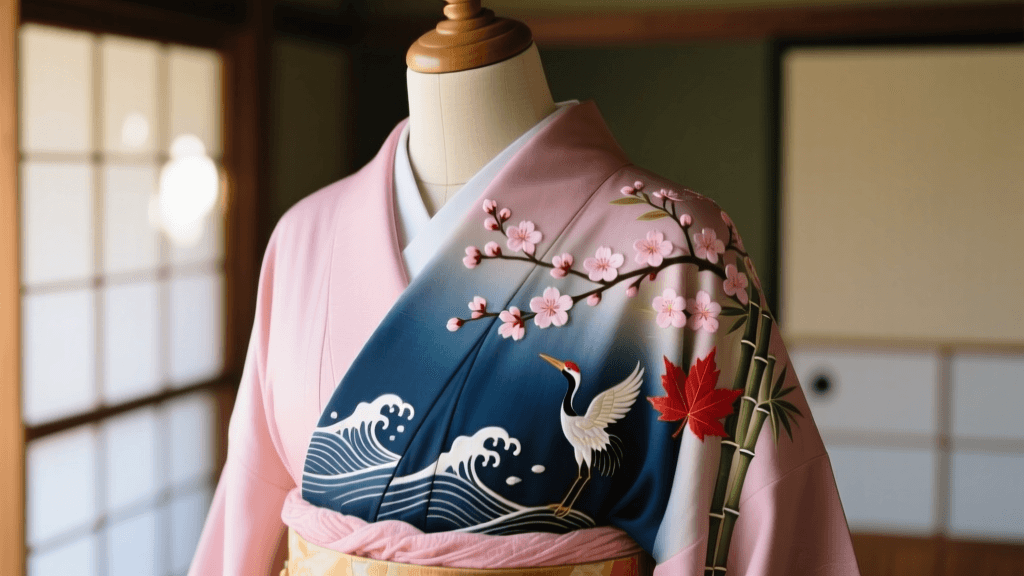
The kimono is fundamentally a T-shaped, straight-lined garment that relies on wrapping, folding, and tying rather than tailoring to the body's contours. This geometric approach to fashion is deeply rooted in Zen spirituality, emphasizing the harmony between the fabric and the wearer's movements. In 2026, the most sought-after kimonos are crafted from Tango chirimen, a highly textured silk crepe from the Kyoto region that offers a tactile, sensory experience unmatched by synthetic alternatives.
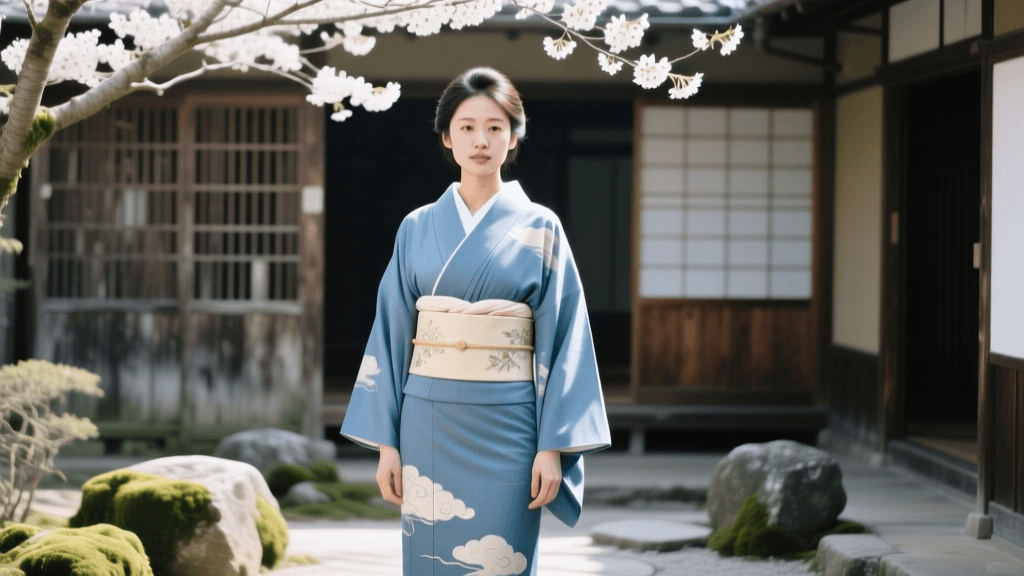
Styling a kimono requires an understanding of the obi (sash) and the strict left-over-right wrapping rule—a custom that remains unchanged, as right-over-left is reserved exclusively for dressing the deceased. According to the Victoria and Albert Museum's extensive research on the kimono, the garment's flat construction allows it to be easily disassembled, cleaned, and re-sewn, making it an inherently sustainable and circular fashion item long before modern eco-movements took root.
Hakama: Virtues and Modern Silhouettes
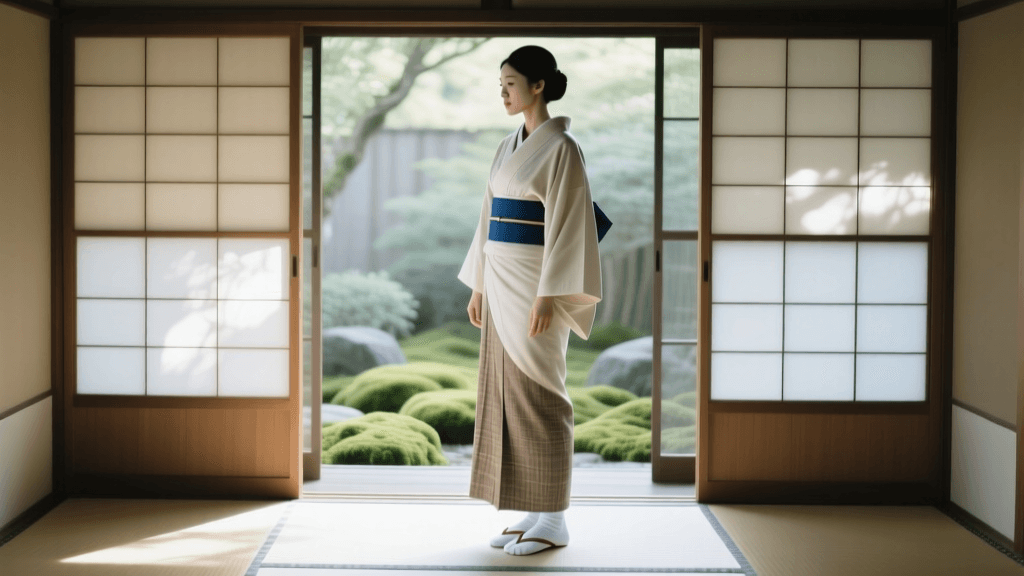
Originally worn by samurai and court nobles, the hakama is a pleated, wide-legged trouser worn over a kimono. The traditional formal hakama features exactly seven pleats, representing the seven virtues of the samurai: courage, justice, benevolence, respect, honesty, honor, and loyalty. In 2026, the hakama has transcended its historical gender boundaries and martial arts associations. It is now a staple in Japanese academic graduations, corporate ceremonies, and even high-end international streetwear.
Modern styling often pairs a simplified, unlined cotton hakama with a crisp, modern haori (jacket) for a look that balances traditional authority with contemporary mobility. For women, the andon-bakama (a lantern-shaped, unpleated variation) offers a softer, more fluid silhouette that is highly favored for travel and tea ceremony education.
Weaving Methods: Zen Spirituality in Textiles
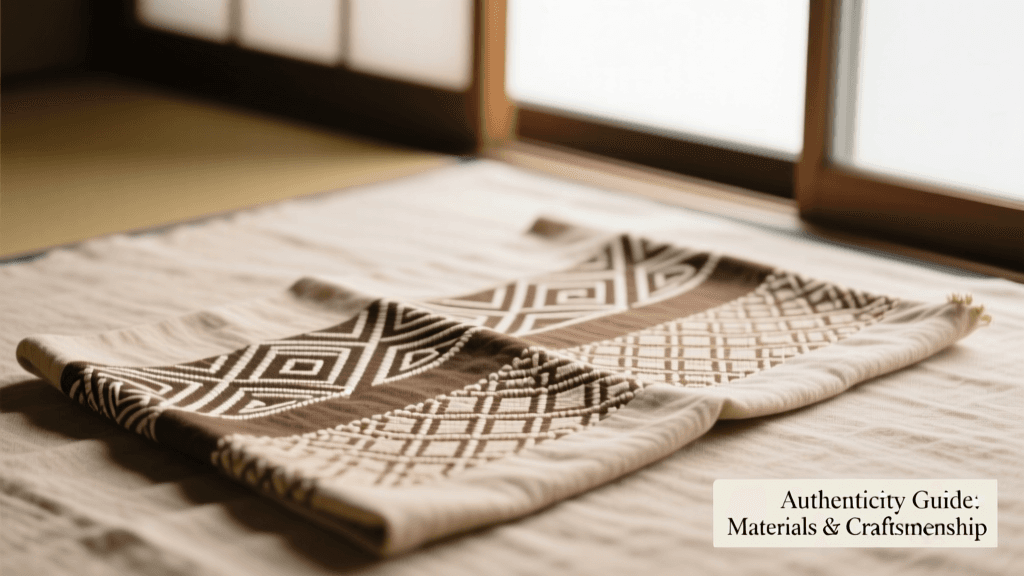
The creation of Wafuku textiles is a meditative practice. Master weavers approach the loom with a mindset of mushin (no-mind), allowing the rhythm of the shuttle to dictate the flow of the silk. Two weaving methods dominate the premium market in 2026:
- Nishijin-ori: A luxurious brocade weaving technique from Kyoto characterized by complex, multi-colored patterns woven directly into the fabric. It is heavily utilized for formal obi and high-end haori.
- Yuki-tsumugi: A highly prized silk-weaving technique that uses silk floss spun by hand without twisting. The resulting fabric is incredibly lightweight, warm, and possesses a subtle, matte texture that improves with age and wear.
The cultural importance of these methods cannot be overstated. As recognized by UNESCO's Intangible Cultural Heritage registry, Yuki-tsumugi requires thousands of hours of meticulous handwork, ensuring that each garment is a unique artifact of human patience and dedication.
Footwear: The Sensory Experience of Tabi and Zori
No Wafuku ensemble is complete without traditional footwear, which fundamentally alters the wearer's posture and gait. The tabi is a split-toe sock designed to separate the big toe from the rest, promoting better balance and stimulating acupressure points on the foot. In 2026, contemporary international designers continue to draw heavy inspiration from the tabi silhouette, though traditional Kyoto craftsmen remain the gold standard for authentic, breathable cotton and silk versions.
Footwear choices are dictated by formality and the season:
- Zori: Flat, thonged sandals made of woven straw, vinyl, or brocade. Formal zori are covered in silk or gold leaf and are mandatory for weddings and tea ceremonies.
- Geta: Wooden clogs elevated by one or two 'teeth'. They produce a distinctive clicking sound (karan-koron) that is deeply nostalgic and essential for wearing a yukata during summer festivals.
- Waraji: Straw rope sandals, historically worn by monks and travelers. Today, they are primarily used in historical reenactments and extreme endurance temple pilgrimages.
Comprehensive Garment Comparison (2026)
To help you navigate the diverse world of Japanese fashion, the table below outlines the primary garments, their best use cases, and current market expectations.
| Garment | Primary Fabric | Best Occasion | 2026 Avg Price (USD) | Styling Note |
|---|---|---|---|---|
| Furisode | Silk Crepe | Coming of Age, Weddings | $2,500 - $8,000 | Features long, swinging sleeves; highly formal. |
| Hakama | Silk / Poly Blend | Graduations, Martial Arts | $150 - $600 | 7 pleats; worn over a base kimono. |
| Yukata | Cotton | Summer Festivals, Ryokan | $40 - $150 | Unlined; paired with a casual, thin obi. |
| Jinbei | Cotton / Linen | Lounging, Fireworks | $30 - $80 | Two-piece; highly breathable and gender-neutral. |
| Haori | Silk / Wool | Outerwear, Formal layering | $200 - $1,200 | Open front; does not require an obi to close. |
Preservation, Education, and Trade
The survival of Wafuku relies on a delicate ecosystem of artisan education and international trade. As the population of master dyers and weavers ages, 2026 has seen a massive push toward digital archiving and apprenticeship subsidies. The Japanese government actively supports these initiatives to ensure techniques are not lost to time. According to the Ministry of Economy, Trade and Industry (METI), the designation of 'Traditional Craft Products' provides crucial financial and promotional backing to regional weaving hubs, allowing them to export authentic Wafuku to a growing global audience of collectors and fashion enthusiasts.
Education has also modernized. Online platforms and virtual reality loom simulations now allow international students to study the fundamentals of Nishijin-ori and natural indigo dyeing before traveling to Japan for hands-on apprenticeships.
Styling for International Travel
Wearing Wafuku outside of Japan requires practical adjustments, particularly regarding climate and transit. When traveling internationally in 2026, it is highly recommended to pack your kimono using a traditional tatou (specialized breathable paper) to prevent moisture buildup and silk degradation. For long-haul flights, a wool or polyester-blend komon (everyday kimono) is preferable to delicate silk, as it resists wrinkling and handles the dry cabin air much better.
Furthermore, adapting the layers is crucial. In warmer Western climates, travelers are increasingly omitting the nagajuban (under-kimono) in favor of a modern, moisture-wicking koshimaki (half-slip) and a lightweight cotton collar. By respecting the foundational rules of Wafuku while intelligently adapting to modern environmental and logistical challenges, wearers can honor Asian traditions while participating fully in contemporary global life.