Hanfu for Family Ceremonies: Birth, Weddings & Rites in 2026
The Renaissance of Hanfu in Family Milestones
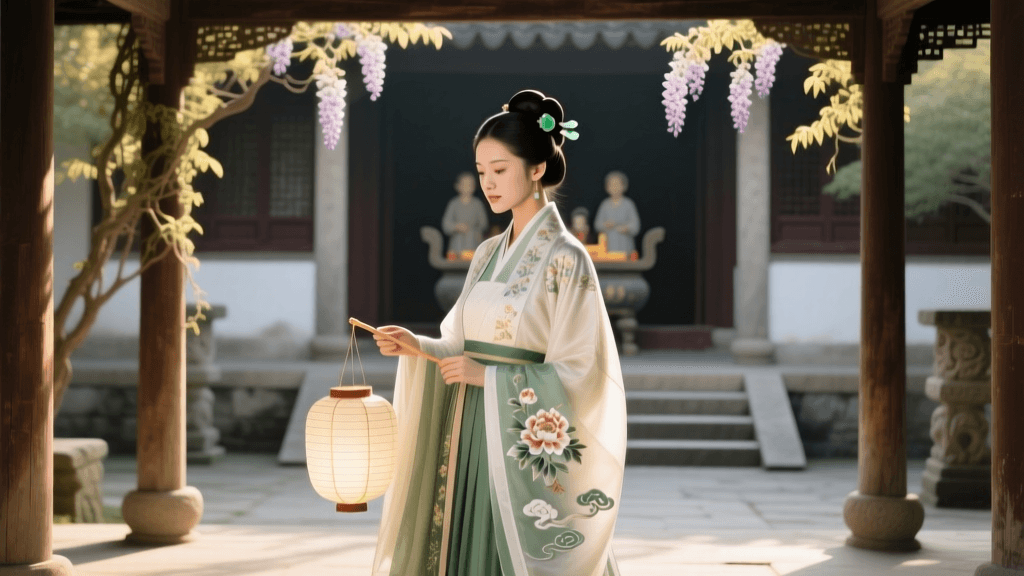
As we navigate through 2026, the Hanfu movement has transcended street fashion and casual wear, firmly rooting itself in the most sacred milestones of Chinese family life. Today, traditional garments are not merely aesthetic choices; they are vital conduits for cultural continuity. From the joyous celebrations of a child's first birthday to the solemnity of ancestral rites, selecting the correct Hanfu requires an understanding of historical silhouettes, color symbolism, and modern textile advancements. This comprehensive guide explores the essential Hanfu styles for birth, weddings, and ancestral ceremonies in 2026, ensuring your family honors tradition with authenticity and grace.
Birth and Coming of Age Ceremonies
Zhu Zhou: The First Birthday Celebration
The Zhu Zhou (first birthday) is a pivotal moment in Chinese family life, symbolizing survival, health, and future prosperity. In 2026, parents are increasingly turning to historically accurate infant Hanfu rather than modernized costumes. The centerpiece of this wardrobe is the Hutou Xie (tiger-head shoes) and the Dudou (belly cover), often embroidered with the five poisonous creatures to ward off evil spirits. For the outer layer, a padded Ao (jacket) in vibrant crimson or auspicious yellow is standard. Modern 2026 iterations utilize organic, GOTS-certified cotton and hypoallergenic silk linings, ensuring the infant's comfort while maintaining historical accuracy in the cross-collar, right-over-left (You Ren) closure.
Guan Li and Ji Li: The Coming of Age Rites
Reaching the age of twenty marks the transition into adulthood, celebrated through the Guan Li (capping ceremony for men) and Ji Li (hair-pinning ceremony for women). According to historical frameworks preserved by institutions like the China National Silk Museum, these ceremonies require three distinct changes of clothing, each representing a deeper level of societal responsibility.
- First Attire: A simple, dark-colored Shenyi (deep robe) representing the purity and potential of youth.
- Second Attire: A more formal, patterned robe with a leather belt, symbolizing the assumption of civic and military duties.
- Third Attire: The grand ceremonial garment, often a dark blue or black formal robe with intricate woven borders, paired with the formal cap (Guan) or hairpin (Zan), signifying full adult status and the right to participate in ancestral sacrifices.
In 2026, bespoke tailoring for these rites has surged, with artisans in Hangzhou offering custom-fitted Shenyi that accommodate modern body types while strictly adhering to traditional proportional rules, such as the sleeve length extending past the fingertips when arms are relaxed.
Traditional Chinese Weddings (Hui Li)
The traditional Chinese wedding, or Hui Li, is perhaps the most visually spectacular application of Hanfu. While many couples in the early 2020s opted for generalized 'ancient style' garments, the 2026 wedding market demands strict dynastic accuracy. The choice of dynasty often dictates the color palette, silhouette, and level of formality.
Comparing Dynastic Wedding Styles
Choosing the right era for your wedding Hanfu is a deeply personal decision, often influenced by family heritage or aesthetic preference. Below is a comparison of the three most popular dynastic styles for weddings in 2026:
| Dynasty | Primary Garment | Color Palette | Key Accessories | Best For |
|---|---|---|---|---|
| Ming | Fengguan Xiapei (Phoenix Crown and Cloud Scarf) | Crimson, Dark Blue, Gold | Elaborate gold filigree crown, jade pendants | Grand, formal indoor banquets |
| Tang | Zhaiyi (Ceremonial Robe with Pheasant Motifs) | Deep Green, Crimson, Gold | Gold hair combs, floral forehead appliqués | Luxurious, vibrant spring/summer weddings |
| Song | Daxiuyi (Large Sleeved Robe) | Pearl White, Soft Pink, Celadon | Pearl headpieces, delicate silver hairpins | Minimalist, elegant outdoor or garden rites |
The Ming Dynasty Standard: Fengguan Xiapei
The Ming Dynasty style remains the gold standard for traditional Chinese weddings in 2026. The bride's Fengguan (phoenix crown) is a masterpiece of intangible cultural heritage, often featuring kingfisher feather inlay (Tian-tsui) or modern ethical silk alternatives that mimic the iridescent blue. The groom typically wears a dark blue or black Yuanlingpao (round-collar robe) with a mandarin square (Buzi) denoting rank, paired with a black official hat with wings. The 2026 market has seen a rise in lightweight, breathable silk-blend Xiapei (cloud scarves) that prevent the bride from overheating during lengthy tea ceremonies.
Ancestral Rites and Remembrance (Ji Si)
Ancestral worship, particularly during the Qingming Festival and the Hungry Ghost Festival, requires a starkly different sartorial approach. The Ji Si (sacrificial rites) demand solemnity, respect, and a connection to the earth. Bright colors, especially red, are strictly prohibited, as they are associated with joy and celebration, which is deemed disrespectful to the deceased.
Colors, Fabrics, and Silhouettes
For ancestral rites in 2026, the preferred colors are deep indigo, charcoal, muted slate, and unbleached hemp white. The Shenyi (deep robe) is the most appropriate garment, as its one-piece construction symbolizes the unity of heaven and earth, and the unbroken lineage of the family. According to historical records documented in the Metropolitan Museum of Art's Asian Art collection, the deep robe's continuous seam was a marker of moral integrity and respect for cosmic order.
Modern practitioners often opt for raw silk, heavy linen, or organic hemp. These fabrics not only provide the necessary structural drape for solemn bowing and kneeling but also align with the 2026 consumer shift toward sustainable, biodegradable textiles. When participating in tomb-sweeping, a shorter Duan Da (working-class tunic and trousers) in muted earth tones is acceptable and practical for navigating uneven terrain, provided it is worn with a respectful, unadorned sash.
The Etiquette of Mourning Attire
In the event of a direct family bereavement, the traditional mourning Hanfu, known as Sangfu, is governed by the Five Degrees of Mourning. While full traditional mourning garments (made of raw, unhemmed hemp) are rarely worn in their entirety in modern urban settings, the underlying principles remain. In 2026, families often adapt this by wearing unbleached, rough-spun linen robes or simply affixing traditional hemp mourning bands to dark, conservative Hanfu. The emphasis is on the absence of ornamentation—no embroidery, no jade, and no metallic hairpins.
Sourcing and Caring for Ceremonial Hanfu in 2026
Navigating the Modern Market
The Hanfu industry in 2026 is highly regulated and specialized. For family ceremonies, off-the-rack garments are often insufficient due to the precise layering and fitting required. We recommend commissioning pieces from established ateliers in Hangzhou (for silk and embroidery) or Caoxian (for structured, heavy ceremonial robes). When ordering, ensure the tailor understands the specific Li (propriety) rules of the garment, such as the exact width of the sleeve cuffs and the correct overlap of the lapels.
Preservation and Eco-Friendly Care
Ceremonial Hanfu is an investment meant to be passed down as a family heirloom. The 2026 standard for garment care involves eco-friendly, pH-neutral detergents derived from traditional soapberry (Wuhuanzi). Silk garments, particularly those with metallic thread embroidery, should never be machine washed. Instead, they should be spot-cleaned and stored in acid-free, unbleached cotton garment bags with natural camphor wood blocks to deter insects. As highlighted by heritage preservation guidelines on the UNESCO Intangible Cultural Heritage portal, the transmission of traditional crafts includes the knowledge of how to maintain and preserve the physical artifacts of those crafts for future generations.
Conclusion
Dressing in Hanfu for family ceremonies in 2026 is a profound act of cultural reclamation. Whether you are wrapping an infant in auspicious tiger motifs, exchanging vows in a sweeping Ming Dynasty phoenix crown, or bowing in solemn indigo before your ancestors, the garments you choose weave your personal family narrative into the vast tapestry of Asian tradition. By prioritizing historical accuracy, sustainable materials, and respectful etiquette, you ensure that these sacred rites are honored with the dignity they deserve.