Preserving Meisen Silk Kimonos and Myeongju Hanboks in 2026
The Evolution of Asian Garment Preservation in 2026
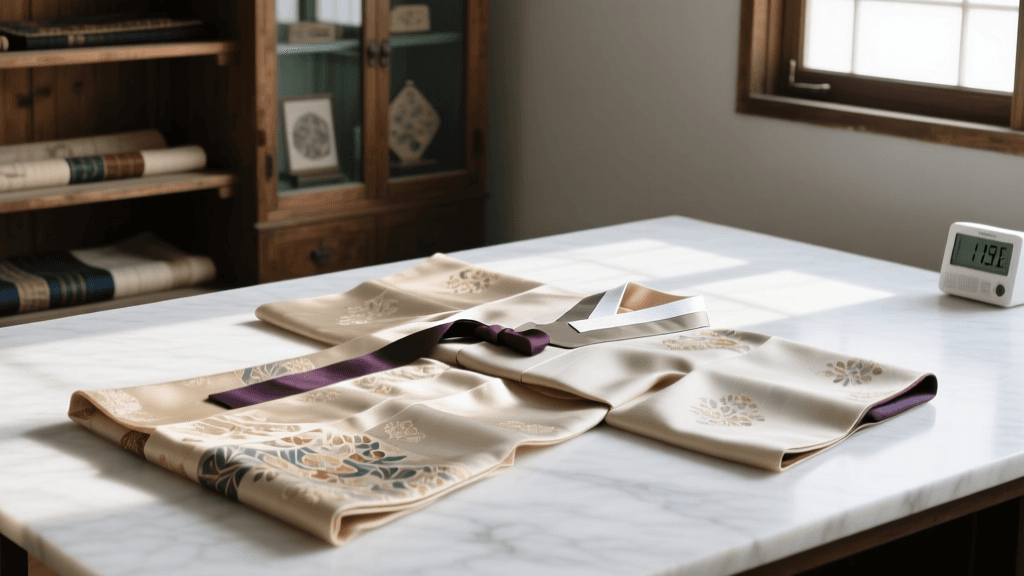
As we navigate the global vintage collector's market in 2026, the allure of traditional Asian garments continues to grow. Among the most highly sought-after pieces are Japanese Meisen silk kimonos and Korean Myeongju silk hanboks. However, acquiring these historical textiles is only the first step; preserving them requires a rigorous, scientifically backed approach. Silk is a delicate protein fiber that is highly susceptible to environmental degradation, light damage, and improper storage. According to the Victoria and Albert Museum's conservation guidelines, preventive care is the most critical factor in extending the lifespan of historical textiles. This comprehensive guide outlines the modern, 2026-standard protocols for storing, folding, and preserving these exquisite Asian garments.
Understanding Your Fabrics: Meisen vs. Myeongju
Before implementing a preservation strategy, it is vital to understand the specific structural vulnerabilities of your garments.
Meisen Silk (Japan)
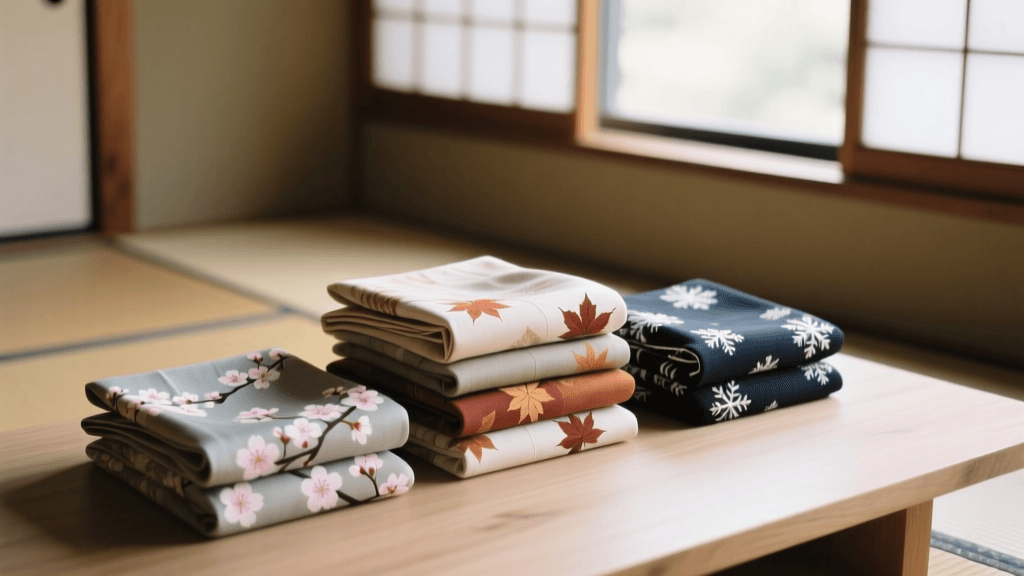
Meisen is a solution-dyed or ikat-woven silk fabric that peaked in popularity during the Taisho and early Showa periods. Because the threads are pre-dyed before weaving, Meisen features vibrant, slightly blurred geometric or floral patterns. The primary vulnerability of vintage Meisen is 'crease rot.' If stored folded in the exact same position for decades, the silk fibers will eventually shatter along the fold lines due to sustained mechanical stress.
Myeongju Silk (Korea)
Myeongju is a traditional Korean plain-weave silk, historically used for high-status hanboks, particularly the jeogori (jacket) and chima (skirt). It is prized for its subtle sheen and crisp drape. However, Myeongju is highly sensitive to water spotting and alkaline substances. Furthermore, the elaborate goreum (chest ties) on a hanbok are often subject to friction and dye transfer, requiring specialized padding during long-term storage.
The 2026 Archival Storage Ecosystem
The materials you use to house your garments can either protect them or accelerate their destruction. In 2026, archival suppliers have refined their product lines to offer more accessible, museum-grade materials for home collectors. The golden rule for silk preservation is to never use buffered (alkaline) acid-free tissue. Buffered tissue contains calcium carbonate, which is excellent for plant-based fibers like cotton and linen, but will chemically degrade protein fibers like silk and wool over time. You must exclusively use unbuffered acid-free tissue.
Archival Material Comparison Chart
| Material | Primary Use Case | Protein Fiber Safe? | 2026 Est. Cost |
|---|---|---|---|
| Unbuffered Acid-Free Tissue | Wrapping silk, stuffing sleeves and bodices | Yes (Neutral pH) | $28 / 100 sheets |
| Buffered Acid-Free Tissue | Cotton, linen, and hemp garments only | No (Alkaline reserve damages silk) | $24 / 100 sheets |
| Tyvek Soft-Structure Envelopes | Dust covers, flat storage for obi and sashes | Yes (Inert polyethylene) | $18 / pack of 10 |
| Archival Coroplast Boxes | Long-term dark storage, stacking | Yes (Chemically stable) | $75 / large box |
| Unbleached Muslin Cloth | Breathable garment bags for short-term transit | Yes (Wash before use to remove sizing) | $12 / yard |
Climate Control and Smart Monitoring
Silk requires a stable microclimate to prevent the fibers from becoming brittle or succumbing to mold. The ideal environment for preserving Meisen and Myeongju is a temperature of 65°F (18°C) with a relative humidity (RH) strictly maintained between 45% and 50%. Fluctuations in humidity are actually more damaging than a slightly imperfect static level, as the fibers repeatedly swell and contract, weakening the weave.
In 2026, smart home integration makes monitoring these parameters effortless. Wi-Fi-enabled thermo-hygrometers, such as the latest Temp Stick or Govee smart sensors, can be placed directly inside archival Coroplast boxes or dedicated textile closets. These devices send instant push notifications to your smartphone if the RH drops below 40% (risk of silk shattering) or spikes above 60% (high risk of mold and dye bleed). Keep your garments away from exterior walls, attics, and basements, which are prone to thermal bridging and dampness.
Step-by-Step Folding and Stuffing Techniques
Improper folding is the leading cause of structural failure in vintage Asian garments. To prevent sharp creases that lead to fiber breakage, collectors must employ traditional folding methods combined with modern archival stuffing techniques.
The Tatami-Shiki Method for Kimonos
The tatami-shiki (standard folding) method ensures that the kimono's seams bear the stress of the fold, rather than the delicate center panels of the silk.
- Step 1: Lay the kimono face down on a clean, acid-free work surface.
- Step 2: Fold the left and right edges inward along the back seams.
- Step 3: Fold the sleeves back so they align with the body of the garment.
- Step 4: Fold the bottom hem up to the collar.
- Crucial 2026 Preservation Step: Before making the final folds, roll 'sausages' of unbuffered acid-free tissue and place them inside every fold line. This creates a soft, rounded curve rather than a sharp crease, drastically reducing mechanical stress on the Meisen silk.
Hanbok Bodice and Skirt Care
For the hanbok jeogori, avoid folding the goreum (ties) tightly against the bodice, as the dyes can transfer over time. Wrap the ties individually in unbuffered tissue and lay them flat alongside the jacket. The chima (skirt) should ideally be rolled around an acid-free archival tube rather than folded, especially if it features heavy embroidery or metallic thread work that can snag and break.
Pest Management Without Chemicals
Protein fibers are a primary food source for clothes moths and carpet beetles. However, traditional mothballs containing naphthalene or paradichlorobenzene are strictly forbidden in modern conservation. These chemicals off-gas toxic fumes that not only pose severe health risks to humans but also react with the metallic salts historically used to weight silk, accelerating the 'shattering' effect.
Instead, rely on integrated pest management (IPM). Place pheromone-baited sticky traps in the corners of your storage room to monitor for male moth activity. For passive deterrence, use untreated cedar blocks or lavender sachets, ensuring they are wrapped in muslin so the essential oils do not directly touch the Myeongju or Meisen silk, which could cause oil stains.
When to Seek Professional Restoration
While home preservation is highly effective for stable garments, certain conditions require the intervention of a professional textile conservator. If you notice 'silk shattering'—where the fabric tears along the grain with the slightest touch—this is often the result of historical metallic salt weighting used in the early 20th century to make silk feel heavier. According to the Metropolitan Museum of Art's Textile Conservation Department, treating weighted silk requires specialized consolidants and supportive backing that are beyond the scope of home care.
Additionally, if you discover active mold, severe dye bleed, or structural tearing along the shoulder seams of a hanbok, do not attempt to wash or iron the garment. Water and heat can permanently set stains and collapse the remaining fiber structure. Seek out a conservator accredited by your national heritage organization to stabilize the piece using reversible, museum-grade adhesives and custom-dyed support patches.
Conclusion
Preserving vintage Meisen kimonos and Myeongju hanboks in 2026 is a rewarding endeavor that bridges the gap between historical appreciation and modern science. By investing in unbuffered archival materials, leveraging smart climate sensors, and respecting the structural geometry of traditional Asian folding methods, you ensure that these magnificent silk garments survive for future generations to study and admire.