Hanfu On Global Runways: 2026 Paris Fashion Week
The 2026 Haute Couture Shift: Hanfu Takes Center Stage
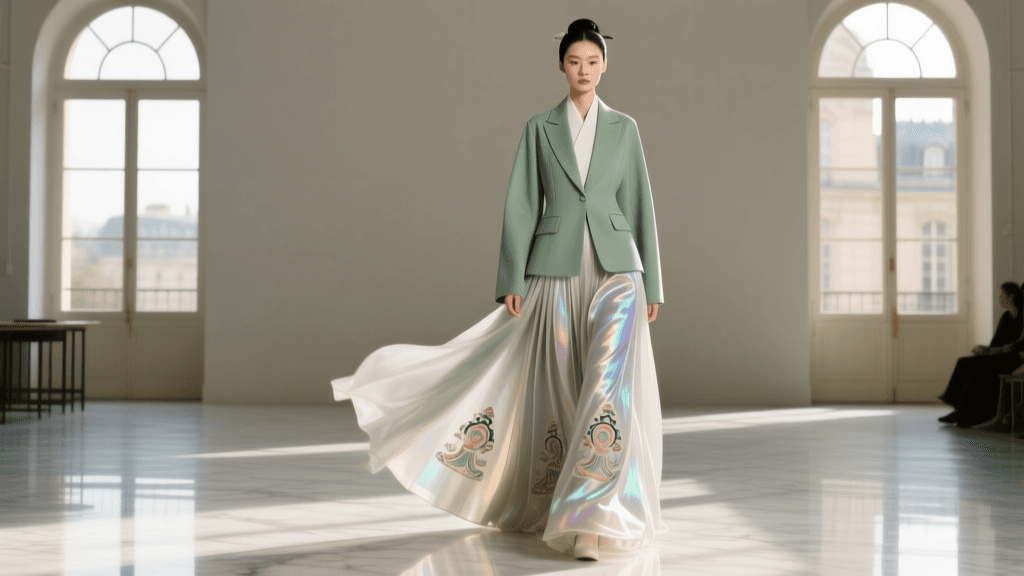
The global fashion landscape has undergone a monumental transformation in 2026, with traditional Chinese garments moving from niche cultural appreciation to the very forefront of international haute couture. At the latest Paris and Milan Fashion Weeks, the integration of Hanfu elements into Ready-to-Wear and Haute Couture collections has signaled a definitive shift. Designers are no longer merely borrowing superficial motifs; they are deeply analyzing the structural integrity, historical silhouettes, and philosophical underpinnings of traditional Chinese dress. According to Vogue's ongoing coverage of Chinese fashion designers, this year's runway presentations have showcased an unprecedented level of historical accuracy blended with avant-garde tailoring, marking a new era for Asian traditions on the global stage.
This evolution is driven by a new generation of designers who grew up immersed in the Hanfu revival movement and have since graduated from top international fashion institutes. They possess both the technical mastery of Western pattern-making and a profound respect for Eastern sartorial heritage. The result is a breathtaking fusion where centuries-old silhouettes meet cutting-edge sustainable textiles, creating garments that are as historically resonant as they are commercially viable for the modern luxury consumer.
The Mamianqun Evolution: Pleats, Proportions, and Power
Undoubtedly, the star of the 2026 runway season has been the Mamianqun, commonly known as the horse-face skirt. Originating in the Song Dynasty and reaching its zenith in the Ming Dynasty, this wrap-around skirt is characterized by its flat front and back panels flanked by intricate, deep pleats. Historically, the Mamianqun was a marvel of functional design, allowing for ease of movement while maintaining a regal, structured appearance.
On the 2026 runways, the Mamianqun has been reimagined with meticulous attention to proportion and fabric weight. Designers are utilizing up to six meters of heavy silk crepe and sustainable cupro to ensure the pleats hold their razor-sharp edges even during dynamic movement. The traditional waistband, often a contrasting color or fabric, has been widened and reinforced with internal corsetry, allowing the skirt to sit firmly on the natural waist without the need for external belts.
Fabric Innovations and Sustainable Dyeing
A major talking point this season is the textile innovation applied to these historical garments. The Metropolitan Museum of Art's Chinese textile archives highlight the historical significance of natural dyeing and complex weaving techniques, and 2026 designers are reviving these with a modern eco-conscious twist. We are seeing the widespread use of Xiangyunsha (gambiered silk), a heritage fabric dyed with plant juices and river mud, which provides a rich, dark, water-resistant finish that is entirely biodegradable. Furthermore, metallic threads are being replaced by recycled copper and silver yarns, woven into Song brocade patterns to catch the runway lights without relying on synthetic microplastics.
Song Dynasty Beizi: Minimalism Meets Modern Layering
While the Mamianqun provides structural drama, the Song Dynasty Beizi offers a masterclass in minimalist layering. The Beizi is a long, open-front jacket with straight collars and side slits that extend up to the underarm. In 2026, this garment has become the ultimate layering piece for transitional weather collections, replacing the traditional Western trench coat or oversized blazer.
Runway stylists have been pairing the Beizi with unexpected contemporary pieces. Imagine a floor-length, sheer organza Beizi worn over a structured, tailored tuxedo suit, or a heavy, embroidered wool Beizi layered over a simple, bias-cut silk slip dress. The straight, unstructured shoulder of the Beizi provides a striking contrast to the sharp tailoring of Western garments, creating a silhouette that is both relaxed and immensely powerful. The side slits, which historically allowed for ease of movement while riding or working, now serve to reveal flashes of contrasting trousers or skirts beneath, adding a kinetic element to the wearer's stride.
Runway Styling: Blending East and West
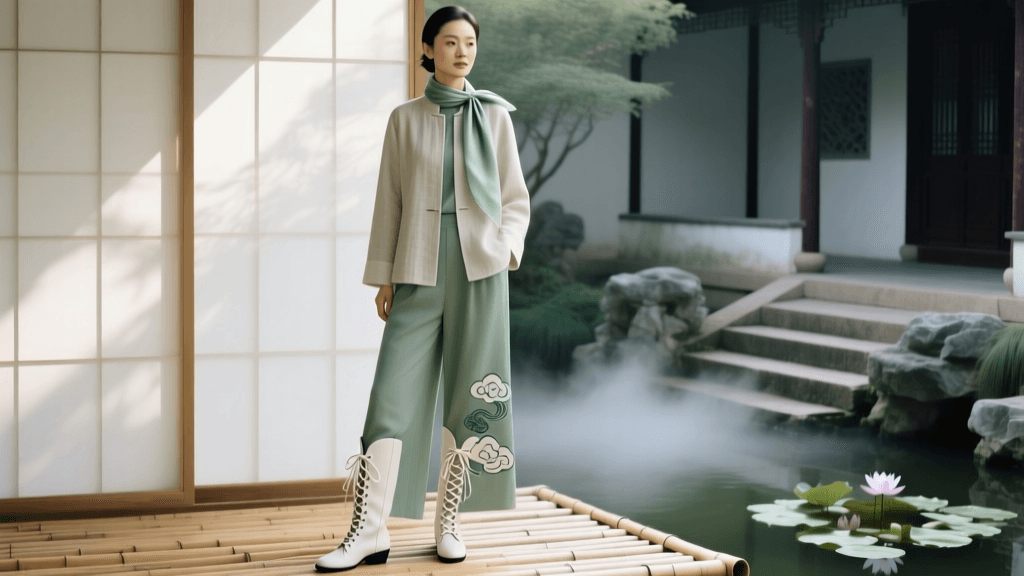
The styling of Hanfu on the 2026 runways demonstrates a sophisticated understanding of how to integrate traditional garments into a modern wardrobe without resorting to costume. The key principle embraced by top stylists this year is 'anchoring.' Because Hanfu pieces often feature complex draping, voluminous sleeves, and intricate embroidery, they are anchored with stark, minimalist contemporary accessories.
- Footwear: Instead of traditional cloth shoes, models are strutting in architectural leather loafers, square-toed ankle boots, and minimalist leather sneakers. This grounds the ethereal nature of the silk garments and makes them highly wearable for urban environments.
- Accessories: The traditional jade pendants and silk sashes are being reinterpreted. Designers are using oversized, polished metal clasps inspired by traditional Chinese joinery, and thick, braided leather cords that mimic the look of silk waist ties but offer the durability and edge of modern leather goods.
- Hair and Makeup: The elaborate historical updos have been replaced by sleek, razor-sharp bobs and tightly pulled-back buns, emphasizing the neckline and the intricate collar structures of the Beizi and Ruqun tops.
Comparative Analysis: Traditional vs. 2026 Runway Adaptations
To truly understand the depth of this trend, it is essential to compare the historical specifications of these garments with their 2026 high-fashion counterparts. The following table outlines the key adaptations seen across major fashion capitals this year.
| Garment Element | Traditional Specification | 2026 Runway Adaptation | Styling Note |
|---|---|---|---|
| Mamianqun Pleats | 12 to 16 wide, soft pleats per side | 20 to 24 heat-set, razor-sharp micro-pleats | Requires specialized dry cleaning to maintain structural integrity. |
| Beizi Collar | Straight, parallel edges, often unadorned | Asymmetrical straight edges with hidden magnetic closures | Allows for a clean, seamless look without visible ties or buttons. |
| Sleeve Proportions | Pipa sleeves (wide at arm, narrow at wrist) | Exaggerated dropped shoulders with adjustable interior cuffs | Provides volume without interfering with modern desk work or device use. |
| Fastening Systems | Woven silk ties and fabric knot buttons | Custom-milled brass hardware and hidden snap magnets | Drastically reduces dressing time while maintaining historical aesthetics. |
Sourcing Authentic and Runway-Inspired Hanfu
For enthusiasts and fashion professionals looking to incorporate these 2026 runway trends into their own collections or personal wardrobes, sourcing is critical. The market has bifurcated into two distinct categories: heritage artisans and contemporary fusion brands.
Heritage artisans, primarily based in Hangzhou and Suzhou, offer bespoke Mamianqun and Beizi crafted using traditional wooden looms and natural dyes. These pieces are investment garments, often requiring a three-to-six-month waiting period and pricing that reflects the hundreds of hours of manual labor involved. According to The Business of Fashion's China market insights, the luxury sector's pivot towards slow, artisanal fashion has significantly boosted the economic viability of these traditional weaving communities, ensuring the survival of intangible cultural heritage techniques.
Conversely, contemporary fusion brands are offering Ready-to-Wear Hanfu that captures the spirit of the 2026 runways at a more accessible price point. When shopping for these pieces, consumers should look for specific quality markers: natural fiber blends (silk, linen, cupro), reinforced waistbands, and meticulously finished interior seams. Avoid garments that rely heavily on synthetic brocades or glue-based appliqués, as these detract from the garment's drape and longevity.
The Future of Asian Traditions on the Global Stage
The presence of Hanfu on the 2026 global runways is not a fleeting trend; it is a permanent recalibration of the fashion hierarchy. By treating traditional Chinese garments with the same rigorous structural analysis and respect afforded to Western haute couture, designers have unlocked a new vocabulary of shape, movement, and elegance. As we move forward through the year, expect to see these silhouettes trickle down from the rarefied air of Parisian runways into the global mainstream, forever enriching the tapestry of international fashion. The dialogue between East and West is no longer about appropriation or superficial borrowing; it is a profound, respectful exchange of sartorial philosophy that promises to define the aesthetic of the decade.