Traditional Chinese Footwear 2026: Cloud Shoes & Boots Styling Guide
The Xin Zhongshi Footwear Renaissance of 2026
The landscape of Asian traditional fashion has undergone a seismic shift as we navigate through 2026. The Xin Zhongshi (New Chinese Style) movement has evolved from a niche subculture into a dominant global fashion force, blending ancient sartorial elegance with contemporary urban functionality. While much of the spotlight has historically fallen on garments like the Mamian skirt (horse-face skirt) and the modernized Qipao, 2026 has definitively become the year of traditional Chinese footwear. Discerning fashion enthusiasts are no longer relying on generic modern loafers or sneakers to complete their heritage-inspired outfits. Instead, they are turning to meticulously crafted Yunxie (cloud shoes) and Xue (traditional boots) to anchor their wardrobes with authenticity and cultural depth.
According to the Metropolitan Museum of Art's archives on Chinese clothing, footwear in historical China was never merely utilitarian; it was a profound indicator of social status, regional identity, and philosophical alignment. Today, modern artisans in Suzhou, Hangzhou, and Beijing are reinterpreting these historical silhouettes using 2026's advanced sustainable textiles and ergonomic innovations, making traditional Chinese footwear more accessible, comfortable, and weather-resistant than ever before.
Decoding Yunxie: The Iconic Cloud Shoe
The Yunxie, easily recognized by its distinctive upturned toe (qiaotou) resembling a ruyi scepter or a stylized cloud, is arguably the most iconic silhouette in traditional Han Chinese footwear. Historically worn by both men and women during the Ming and Qing dynasties, the cloud motif symbolizes good fortune, celestial connection, and upward mobility. In 2026, the Yunxie has been reimagined for the modern commuter without sacrificing its architectural grace.
The Anatomy of a 2026 Yunxie
Modern iterations of the Yunxie feature a multi-layered construction that honors the past while embracing modern podiatry. The traditional upper is crafted from Song brocade or Zhangzhou velvet, featuring intricate embroidery of lotus, peony, or auspicious cloud patterns. However, the true innovation of 2026 lies in the sole. While historical versions utilized the qiancengdi (thousand-layer sole) made of compressed cotton and hemp, contemporary master shoemakers now integrate a hidden core of memory foam and lightweight EVA (ethylene-vinyl acetate) beneath the traditional hemp-wrapped exterior. This provides the shock absorption required for walking on modern concrete while maintaining the flat, grounded profile essential for traditional garment draping.
- Upper Materials: 2026 collections heavily feature vegan peace silk, recycled metallic brocades, and water-resistant nano-coated velvets.
- Embellishments: Hand-knotted pankou (frog buttons) and subtle seed-pearl embroidery are trending for formal Xin Zhongshi evening wear.
- Ergonomics: Built-in arch support and wide toe boxes accommodate modern foot shapes, a significant upgrade from the narrow fits of historical replicas.
Xue Boots: From Imperial Courts to Urban Streets
While Yunxie dominates the warmer months and formal indoor settings, the Xue (traditional boot) is the undisputed king of autumn and winter Xin Zhongshi styling. Originating from the equestrian and martial traditions of northern China, the Xue was adopted by court officials and scholars for its warmth, durability, and imposing silhouette. The classic black satin boot with a thick, stark white layered sole remains a staple, but 2026 has introduced a wave of experimental textures and hybrid designs.
Modern Adaptations of the Xue
The defining feature of the traditional Xue is its rigid, elevated sole, which historically kept the wearer's silk robes above the mud and snow. In 2026, designers are utilizing compressed recycled cork and lightweight polyurethane to replicate this striking visual contrast without the heavy, cumbersome weight of historical cotton-and-paste soles. Furthermore, the uppers are no longer limited to plain black satin. Artisans are introducing embossed leather, houndstooth woven wool, and dark-toned damask, allowing the Xue to seamlessly transition from a heritage festival to a modern corporate boardroom.
For those exploring the martial arts heritage of Chinese footwear, the Hou-di Xue (thick-soled stage boots worn in Peking Opera) have inspired a new line of platform Xin Zhongshi boots. These feature a subtle 2-inch hidden wedge, providing height and a commanding posture while maintaining the sleek, unadorned aesthetic of the traditional scholar's boot.
2026 Buyer’s Comparison Chart
When building a traditional footwear collection, it is crucial to understand the functional and stylistic differences between the primary silhouettes available on the market today. The following table breaks down the top choices for the modern consumer.
| Footwear Style | Historical Origin | 2026 Material Innovations | Ideal Xin Zhongshi Pairing | Avg. Price (USD) |
|---|---|---|---|---|
| Yunxie (Cloud Shoe) | Ming/Qing Dynasties | Nano-coated Song Brocade, EVA-cored hemp soles | Mamian skirts, wide-leg linen trousers | $120 - $280 |
| Xue (Scholar Boot) | Tang/Song Dynasties | Waterproof matte vegan leather, cork-layered soles | Tailored wool coats, straight-cut denim | $180 - $350 |
| Qiaotou Lu (Slipper) | Han Dynasty origins | Breathable bamboo-silk blends, memory foam insoles | Tea ceremony attire, indoor loungewear | $65 - $110 |
| Hou-di Xue (Platform) | Qing Theatrical | Lightweight PU platforms, stretch-satin uppers | Avant-garde Xin Zhongshi streetwear | $220 - $400 |
Sizing, Fit, and Sourcing Artisans
One of the most common hurdles for international buyers exploring traditional Chinese footwear is navigating the sizing conventions. In 2026, most premium heritage brands have adopted dual-sizing charts, but understanding the fundamental differences in shoe lasts is vital. Traditional Chinese shoes were historically built on a straighter, wider last compared to the curved, tapered lasts of Western dress shoes. This means that individuals with wider feet often find Yunxie and Xue exceptionally comfortable, while those with narrow feet may need to size down or seek out brands offering adjustable instep straps disguised as decorative pankou knots.
When sourcing authentic pieces, buyers should look beyond mass-market fast-fashion outlets. The most exquisite 2026 pieces are coming directly from heritage ateliers in Suzhou, where master embroiderers utilize techniques recognized by global cultural organizations. The preservation of these techniques is paramount; as noted by the UNESCO Intangible Cultural Heritage registry, the sericulture and silk craftsmanship of China require years of dedicated apprenticeship. Supporting direct-to-consumer artisan cooperatives not only guarantees a superior, hand-finished product but also ensures the financial viability of these ancient craft communities.
Care and Maintenance for Brocade and Silk Footwear
Investing in high-quality traditional footwear requires a commitment to proper maintenance. The luxurious materials used in Yunxie and Xue—such as raw silk, metallic threads, and natural hemp—are highly susceptible to environmental damage if neglected. The 2026 standard for heritage garment care emphasizes preventive maintenance and climate control.
Essential Care Protocols
- Moisture Management: Never wear silk brocade Yunxie in heavy rain. If they do become damp, stuff them immediately with acid-free tissue paper and allow them to air dry away from direct heat sources, which can cause the silk fibers to become brittle and snap.
- Cleaning Embroidery: Avoid liquid cleaners on embroidered uppers. Instead, use a soft-bristled horsehair brush to gently dislodge dust and debris from the intricate threadwork. For stubborn stains, consult a professional textile conservator rather than attempting spot treatments.
- Sole Maintenance: The traditional hemp and cotton soles can absorb odors and moisture. In 2026, it is highly recommended to use UV-C sanitizing shoe trees between wears to eliminate bacteria without the use of harsh chemical sprays that might degrade the natural fibers.
- Long-Term Storage: Store your footwear in breathable cotton dust bags. Avoid plastic bins, which trap humidity and encourage mold growth. Placing a small block of natural camphor wood or cedar in the storage area will naturally repel insects and keep the silk smelling fresh.
Styling Traditional Footwear for the Modern Era
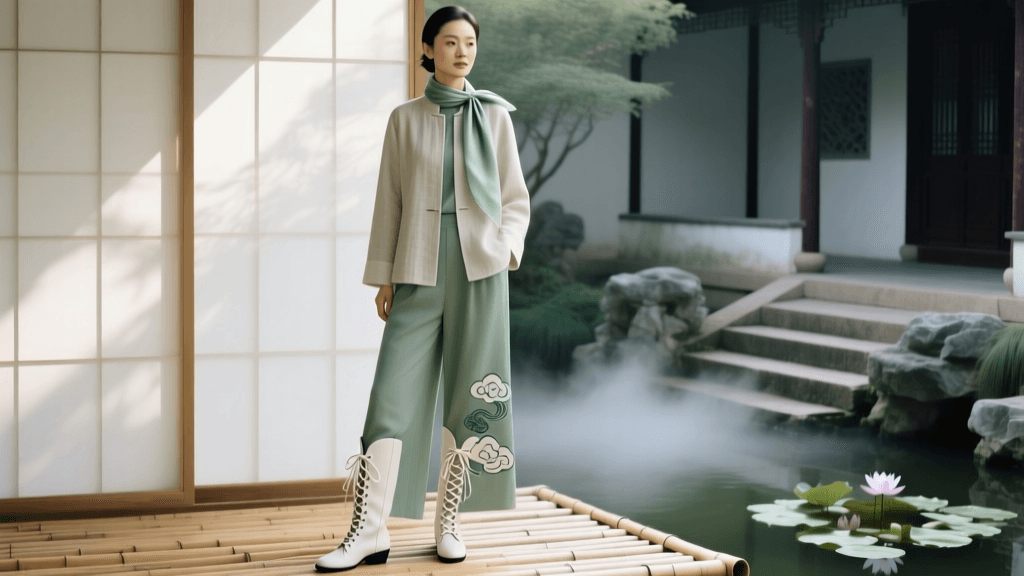
The true beauty of the 2026 Xin Zhongshi movement lies in its refusal to treat traditional garments as mere costumes. Footwear is the anchor that grounds an outfit in reality. For a sophisticated office look, pair a minimalist, dark-toned Xue boot with tailored, wide-leg wool trousers and a structured mandarin-collar blazer. The sharp lines of the boot provide a masculine, architectural foundation that balances the fluidity of modern drape-focused tailoring.
For women embracing the romanticism of the Mamian skirt, the Yunxie is the perfect companion. Ensure the hem of the skirt grazes the top of the shoe, allowing the intricate upturned toe and embroidery to peek out with every step. In 2026, color-blocking is highly popular; try pairing a deep jade green silk skirt with a contrasting cinnabar red or metallic gold Yunxie to create a striking, fashion-forward silhouette that honors the color theory of ancient Chinese aesthetics while feeling entirely contemporary.
Conclusion
As we move deeper into 2026, traditional Chinese footwear has firmly established itself as a cornerstone of global heritage fashion. The Yunxie and the Xue are no longer relics confined to museum displays or theatrical stages; they are living, breathing components of a dynamic sartorial dialogue. By understanding their history, investing in modern artisan craftsmanship, and mastering the art of contemporary styling, you can step confidently into the future while keeping your feet firmly planted in centuries of Asian tradition.